How Much Sunlight Do Field chickweed Need?
1
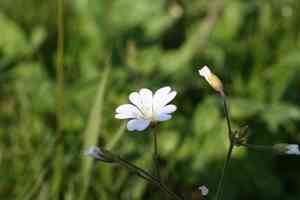
Field chickweed flourishes optimally with more than 6 hours of direct sun exposure daily.
2
Under conditions of partial shade, Field chickweed can still develop, though its growth may be less robust.
3
Too much sunlight can cause burning, especially when coupled with elevated temperatures.
Optimal Light Conditions for Field chickweed
Full Sun vs. Partial Shade
For cultivating Field chickweed, grasping the distinction between full sun and partial shade is crucial. Full sun signifies the plant will receive a minimum of 6 hours of direct solar exposure daily. This level of light promotes robust growth and abundant blooms in Field chickweed. Conversely, partial shade implies roughly 3-6 hours of sunlight, particularly during cooler parts of the day. While Field chickweed can endure partial shade, its growth and flowering may not be as vigorous as in full sun.
Seasonal Light Fluctuations
The available light varies throughout the year. During spring and summer, longer days offer ample sunlight for Field chickweed to thrive. However, in autumn and winter, shorter days and weaker sunlight mean the plant might not receive the same daily light. Therefore, during colder months, positioning Field chickweed in the sunniest garden spot becomes vital, or supplementing with artificial light if cultivated indoors.
Recognizing Appropriate Light Levels for Field chickweed
Indicators of Insufficient Light
Inadequate light can negatively impact Field chickweed, making early recognition of signs essential. Key indicators include elongated and sparse growth, where the plant appears stretched as it seeks more light. Leaves might also become pale or yellow, signaling chlorosis due to insufficient photosynthesis. Furthermore, flowering could be significantly reduced or entirely absent.
Symptoms of Excessive Light
Conversely, too much light can also be harmful. Symptoms of overexposure to sunlight include scorched or burned leaves, where leaf edges turn brown and crisp. Another sign is wilting, especially at midday when the sun is strongest. If these symptoms appear, Field chickweed might benefit from some protection or relocation to an area with less intense light.
Modifying Light Exposure for Field chickweed
Utilizing Shade Cloth
For gardens where sun intensity is too harsh, particularly during peak summer, employing a shade cloth can be an excellent solution. These cloths can decrease sunlight exposure by 30-50%, providing a more balanced light environment for Field chickweed. Position the shade cloth above the plant, ensuring it's secure and allows adequate airflow to prevent overheating.
Optimizing Plant Placement
Another effective strategy is optimizing the plant's location in your garden or home. Place the Field chickweed in a spot that receives morning sunlight and partial afternoon shade, which is often less intense. If growing indoors, position the plant near a south-facing window for maximum daylight. Rotate the plant periodically to ensure even growth and prevent one side from leaning towards the light source.
FAQs Regarding Field chickweed Light Requirements
Can Field chickweed Be Grown Indoors?
Yes, Field chickweed can be cultivated indoors, provided it receives sufficient light. Position the plant near a bright window, ideally south-facing, to ensure ample direct light. If natural light is insufficient, consider using grow lights to simulate sunlight. Aim for at least 6 hours of light exposure daily to maintain a healthy and thriving plant.
What is the Minimum Light Duration for Field chickweed?
Field chickweed ideally requires a minimum of 6 hours of direct sunlight daily to flourish. However, it can tolerate partial shade conditions where light is available for at least 3-6 hours. In such circumstances, the plant may grow slower and produce fewer flowers, but with some patience and care, it can still be a delightful addition to your garden or indoor plant collection.



