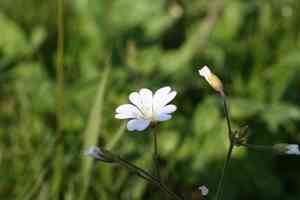
Field chickweed (Cerastium arvense)
Also known as: Meadow chickweed
The genus name *Cerastium* for the herbaceous perennial field chickweed (*Cerastium arvense*) is rooted in the Greek word "keras," which translates to "horn," a nod to the distinctive horn-like shape of its seed capsules.
In This Article
Attributes of Field chickweed
Lifespan
Perennial, Annual, Biennial
Plant Type
Herb
Plant Height
10 cm to 25 cm
Spread
30 cm to 90 cm
Leaf Color
Green
Flower Size
1.3 cm to 1.9 cm
Flower Color
White
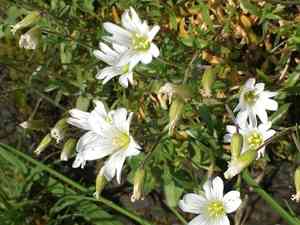
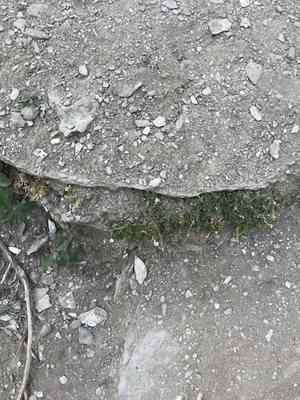
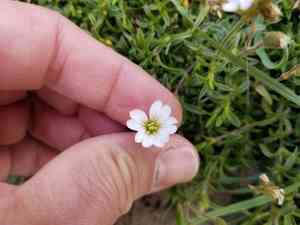
Images of Field chickweed
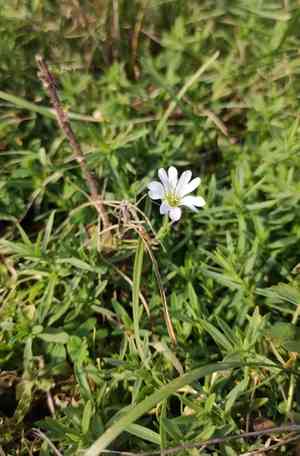
Quickly Identify Field chickweed
1
Cerastium arvense is identified by its small, star-shaped white flowers with deeply notched petals and narrow, lance-shaped leaves. The stems are covered with fine hairs, which are also present on the leaves.
Scientific Classification of Field chickweed
Phylum
Vascular plants
Class
Dicotyledons
Order
Caryophyllales
Family
Pink
Genus
Mouse-ear chickweed
Species
Field chickweed
Planting and Growing of Field chickweed
Care Difficulty
Easy
Watering Schedule
Every 2 days
Sunlight Requirements
Full sun
Sunshine Duration
4-6 hours
Ideal Temperature
60-70℉
Soil Type
Potting Mix, Peat Mix
Soil pH
6.5-7.5
Fertilizer Type
Balanced
Pruning Season
Spring, Summer
Pruning Area
Branches, Leaves
Pruning Frequency
2 times a year
Repotting Season
Spring
Pot Type
Plastic, Ceramic
 How to Water Field chickweed?
For Cerastium arvense, it’s important to water deeply but infrequently. Ensure the soil is thoroughly soaked, allowing the water to reach the root zone but avoid waterlogging. This means watering until the top couple of inches of soil are wet, which helps encourage deep root growth and keeps the plant healthy.
What are the symptoms of an underwatered Field chickweed?
›
What should I do if my Field chickweed is not getting enough water?
›
What are the symptoms of an overwatered Field chickweed?
›
How to save an overwatered Field chickweed?
›
 What Are the Sunlight Requirements for Field chickweed?
Cerastium arvense thrives in full to partial sun conditions, receiving 6 to 8 hours of sunlight daily. This range supports photosynthesis, boosting plant vitality and flower production while protecting against environmental stressors.
More About Sunlight Requirements Techniques→
How much sunlight does Cerastium arvense need?
›
What is the optimal placement for Cerastium arvense to receive ideal light?
›
What benefits does ideal sunlight provide to Cerastium arvense?
›
 What Is the Ideal Temperature Range for Field chickweed?
The ideal temperature range for Cerastium arvense, also known as field chickweed, is between 60°F and 70°F. This range provides the optimal conditions for its growth, enabling strong photosynthesis, nutrient uptake, and healthy foliage development. Staying within this temperature range can help prevent stress factors that might hinder the plant's growth.
 What Soil is Best for Field chickweed?
Cerastium arvense thrives in well-drained soils. A soil structure that promotes excellent drainage helps prevent root rot and enhances nutrient uptake, ensuring robust growth and vibrant blooms. This plant prefers soil that is neither too rich nor too poor in nutrients. Balanced soil fertility supports sustainable growth, allowing Cerastium arvense to maintain its vigor while minimizing excessive foliage production. Cerastium arvense adapts well to soils with a neutral pH balance. Maintaining a pH between 6.5 and 7.5 enables optimal nutrient absorption and helps prevent mineral deficiencies.
 How to Fertilize Field chickweed?
Cerastium arvense benefits from a balanced dose of fertilizer. When using liquid fertilizer, dilute it to half the strength recommended for houseplants. It's best to use about 100-150 ml of this diluted solution per plant to prevent nutrient burn.
 How to Prune Field chickweed?
Begin by identifying dead, wilted, or overgrown stems. Using sharp scissors or shears, cut these sections back to the base or just above healthy leaves to encourage new growth. In addition to removing unwanted growth, shape the plant to enhance its natural form. Trimming the tips of the plant can help maintain its compact and bushy appearance, promoting more robust flowering. Improve air circulation by thinning out crowded areas. This helps reduce the risk of mildew and fungal diseases by allowing more sunlight and air to reach the inner parts of the plant.
More About Pruning Techniques→
 How to Propagate Field chickweed plant?
1
Fill seed trays with well-draining soil mix, gently press seeds into the surface, and lightly cover with soil. Maintain moisture with a spray bottle and place in a location with indirect sunlight.
2
Using sharp scissors, take 10 cm cuttings from healthy growth. Remove the lower leaves, dip in rooting hormone, and plant in moist, well-draining soil. Keep in a warm location to root.
3
Carefully dig up an established plant, ensuring minimal root damage. Divide the root ball into sections with healthy roots and replant each section in prepared soil. Water thoroughly to settle the soil.
 How to Repot Field chickweed plant?
1
Cerastium arvense shows clear signs when it's ready for repotting. Look for roots poking out from drainage holes, soil that dries out too quickly, or stunted growth. These are cues that the plant needs more space or fresh soil nutrients.
2
The ideal pot for Cerastium arvense should be one size larger than the current pot and have drainage holes to ensure proper water flow. Choosing the right pot helps prevent root rot and gives the roots ample space to grow, supporting healthy plant development.
3
Select a well-draining potting mix that is slightly sandy to mimic the plant's natural habitat. Such soil prevents waterlogged conditions and enhances root aeration, ensuring healthy root development and vibrant plant growth.



