How to Propagate Field chickweed?
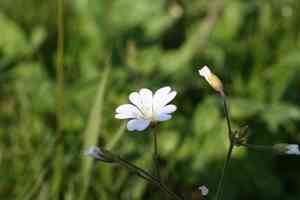
Cerastium arvense flourishes when reproduced via stem sections. For best outcomes, choose robust, non-blooming stalks during its active growth period. Execute a precise incision beneath a joint and remove the bottom foliage. Immerse the severed tip in rooting compound to stimulate root formation and embed in a porous soil blend, guaranteeing sufficient dampness without saturation. Offer diffused illumination until roots are established, then progressively introduce to typical surroundings.
Optimal Period for Field Chickweed Propagation
Propagation Method
Cutting
Propagation Period
Spring,Summer
Tools Required for Field Chickweed Propagation
Sharp Pruning Shears
These are crucial for making precise cuts on field chickweed stems or roots without causing unnecessary harm to plant tissues. Clean, sharp cuts promote quicker healing and minimize disease risk, which is vital for successful propagation.
Rooting Hormone
Applied to the cut end of the stem or root, this product accelerates root development and boosts propagation success. Rooting hormone increases the likelihood of cuttings establishing and growing into robust plants, especially beneficial for field chickweed's delicate root system.
Sterile Potting Mix
A lightweight, well-draining sterile potting mix offers an ideal environment for new field chickweed roots to develop. The mix's sterility prevents pathogens from harming vulnerable cuttings.
Propagation Tray or Pots
These containers hold the sterile potting mix and the cuttings. Utilizing individual pots or a divided tray helps manage moisture levels and reduces disease spread among field chickweed cuttings.
Plastic Covers or Domes
These covers help maintain high humidity around the cuttings, which is essential for preventing the delicate new field chickweed growth from drying out before roots are established. The cover creates a mini-greenhouse effect, fostering better growth conditions.
How to Propagate Field Chickweed?
Propagation Type
Easy
Post-Propagation Care for Field Chickweed
Post-Propagation Care for Field Chickweed
Following propagation, position field chickweed in a spot with ample sunlight but shielded from intense midday rays. Water the soil when it feels dry, but avoid overwatering to prevent root rot. As the plant establishes, gradually introduce it to less humid conditions and resume regular care, including feeding with a balanced, water-soluble fertilizer every 4-6 weeks during the growing season.
Common Errors to Avoid During Field Chickweed Propagation
Overwatering
Excessive watering of field chickweed can lead to root rot and fungal issues, as it prefers well-drained soil. Too much moisture hinders aerobic root environments, diminishing the plant's overall health and stunting its growth.
Too much shade
Field chickweed thrives in full sun to partial shade. Planting it in excessive shade can significantly impede its growth and flowering, as it reduces the energy available for development.
Ignoring soil type
Using unsuitable soil types for field chickweed, such as heavy, poorly draining clays, can result in poor root development. It prefers light, well-drained soils where its root system can establish effectively.
Tips for Propagating Field Chickweed
Effective seed usage
For successful field chickweed propagation, sow seeds directly into the ground in a sunny location. Seeds should be lightly covered with soil to ensure contact while allowing access to light, which aids germination.
Division technique
Dividing field chickweed in spring can boost propagation success. Carefully split the root ball, ensuring each segment has a portion of roots and shoots for quicker establishment.
Cutting considerations
Taking stem cuttings from field chickweed during its active growth phase is an effective propagation method. Ensure cuttings are taken from healthy stems and include several nodes where new roots can form.



