How to Transplant Alpine mouse-ear?
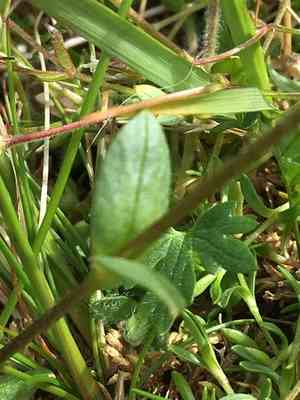
The ideal period for relocating alpine mouse-ear spans from the onset of spring's thaw through the beginning of summer. Select a location that offers abundant solar exposure and soil that drains efficiently to foster its development. A helpful tip: verify that its new environment replicates the conditions where it flourishes.
What Preparations are Needed Before Transplanting Alpine Mouse-ear?
What is the Ideal Time for Transplanting Alpine Mouse-ear?
The perfect period to relocate alpine mouse-ear is during spring's onset, from early spring's thaw until the summer solstice. This natural growth phase allows alpine mouse-ear to establish roots in cooler, damp soil, ensuring better nutrient and water absorption. In spring's mild warmth, alpine mouse-ear experiences optimal growth conditions before summer's full heat. Ensuring alpine mouse-ear is settled in its new spot then promotes strong growth and vigor, vital for a healthy perennial.
How Much Space Should You Leave Between Alpine Mouse-ear Plants?
When getting ready to move your alpine mouse-ear, position them roughly 6-12 inches (15-30 cm) apart. This ensures each plant has ample room to thrive without crowding its neighbors.
What is the Best Soil Mix for Alpine Mouse-ear Transplanting?
For alpine mouse-ear, you'll want well-draining soil with a bit of balanced, slow-release fertilizer mixed in. Aim for a pH that's neutral to slightly alkaline for their best start!
Where Should You Relocate Your Alpine Mouse-ear?
Alpine mouse-ear loves soaking up the sun! Find a bright spot in your garden that gets plenty of light all day. Partial shade is fine too, but the more sunlight, the happier your alpine mouse-ear will be!
What Equipments Should You Prepare Before Transplantation Alpine Mouse-ear?
Gardening Gloves
To safeguard your hands while handling soil and plants.
Shovel or Spade
For digging around and beneath the plant to extract it, and for preparing the new hole.
Garden Fork
To gently loosen the soil around the plant's roots, and to help aerate the soil in the new spot.
Watering Can or Hose
To thoroughly water the plant before and after its relocation.
Bucket or Container
To move the alpine mouse-ear from its original spot to the new site.
Pruning Shears
To trim any damaged roots or foliage prior to transplanting.
Mulch
To help retain soil moisture after the plant has been moved.
How Do You Remove Alpine Mouse-ear from the Soil?
How Do You Remove Alpine Mouse-ear from the Soil?
From Ground: Start by watering the alpine mouse-ear to moisten the soil, making removal easier. Carefully dig a wide circle around the plant with a shovel or spade to avoid damaging the root ball. Use the shovel or garden fork to gently lift the plant, keeping the root ball intact.From Pot: Water the alpine mouse-ear in its container to dampen the soil. Turn the pot sideways and gently tap to loosen the plant. Grasp the plant's base and carefully ease it out with a slight wiggling motion, supporting the root ball as it emerges.From Seedling Tray: Water the seedlings to facilitate removal. Use a scoop or spoon to delicately separate individual seedlings, striving to keep as much soil around the roots as possible. Gently hold the seedling by its leaves, not the stem, to prevent harm.
Step-by-Step Guide for Transplanting Alpine Mouse-ear
Prepare New Site
Dig a hole twice the width of the alpine mouse-ear's root ball and the same depth. Loosen the soil at the bottom of the hole with a garden fork.
Inspect Roots
Before placing alpine mouse-ear in the new hole, examine the root ball. Trim any broken or dead roots with pruning shears to encourage healthy growth.
Position Plant
Place the alpine mouse-ear in the center of the hole, gently spreading out the roots. Ensure the plant sits at the same depth it was previously; the top of the root ball should be level with the surrounding soil.
Backfill Hole
Carefully refill the hole with soil, firming it lightly around the root ball to remove air pockets without overly compacting the soil.
Water Thoroughly
Water the alpine mouse-ear deeply immediately after transplanting to settle the soil around the roots and provide essential hydration.
How Do You Care For Alpine Mouse-ear After Transplanting?
Monitoring
Regularly check the alpine mouse-ear for signs of stress like wilted or discolored leaves. Adjust care as necessary.
Watering
Keep the soil around the alpine mouse-ear consistently moist for the initial few weeks to aid root establishment.
Mulching
Apply a layer of mulch around the base of the alpine mouse-ear to help maintain soil moisture and temperature.
Pruning
Trim away any dead or damaged foliage to encourage new growth and maintain plant health.
Troubleshooting Common Issues with Alpine Mouse-ear Transplantation.
What's the best time of year to transplant alpine mouse-ear?
The optimal time is from spring's awakening through summer's start, ideally early to late spring.
How much space is needed between alpine mouse-ear when transplanting?
Space plants out by a comfortable 6-12 inches (15-30 cm) to allow them to thrive.
Why does my alpine mouse-ear wilt after transplanting?
Wilting could indicate shock. Ensure gentle handling and sufficient water. It should recover with time.
How deep should I plant alpine mouse-ear during transplantation?
Match the root ball's height to its previous pot; avoid burying deeper than its original depth.
What soil type is best for transplanting alpine mouse-ear?
They prefer well-draining soil rich in organic matter. A loamy mix promotes vigorous growth.
How should I water alpine mouse-ear after transplanting?
Water thoroughly post-transplant to settle the soil, then maintain consistent moisture without overwatering.
Can alpine mouse-ear handle full sun after being transplanted?
It enjoys some sunshine but thrives in partial shade too, especially in warmer regions.
What are signs of poor root establishment in alpine mouse-ear?
Stunted growth or yellowing leaves might suggest roots are struggling to anchor in their new home.
Is it normal for alpine mouse-ear to not flower the first year after transplanting?
Yes, it's focusing on root and foliage development. Patience will be rewarded with blooms later!
How to protect alpine mouse-ear after transplanting from frost?
Frost can be a danger so shield newly planted alpine mouse-ear with mulch or a frost cloth.



