The Alpine mouse-ear Plant Advantage: Maximizing Home and Office Appeal and Wellness
1
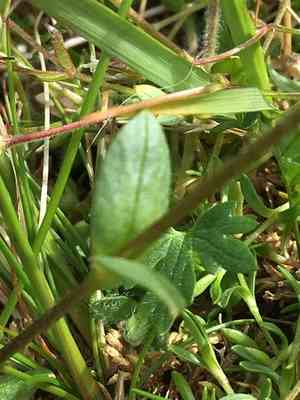
Alpine mouse-ear flourishes in elevated areas characterized by low temperatures and infertile ground.
2
Its swift development and capacity to spread across the ground aid in preventing soil degradation.
3
This plant assists pollinator communities by offering shelter and sustenance.
How Does Alpine mouse-ear Thrive in Alpine Conditions?
Adapting to Harsh Climates
Alpine mouse-ear has developed various adaptations enabling it to flourish in environments hostile to many other plants. These adaptations include resilience to cold temperatures, capacity to grow in nutrient-deficient soils, and resistance to strong winds. The plant's low-growing habit minimizes exposure to severe weather, while its deep root system helps it access water in arid conditions.
Soil and Nutrient Requirements
Unlike many plants needing rich, fertile soil, Alpine mouse-ear can thrive in rocky and sandy substrates often found in mountainous regions. This capability makes it a valuable species for restoring barren or damaged landscapes. Its efficient nutrient absorption systems allow it to sustain growth even in the most nutrient-depleted soils.
What Are the Ecological Benefits of Alpine mouse-ear?
Preventing Soil Erosion
One of the most significant ecological advantages of Alpine mouse-ear is its capacity to prevent soil erosion. The plant's dense, spreading growth habit forms a natural ground cover, which stabilizes the soil and reduces erosion by wind and water. This is especially crucial in alpine areas where the soil is often loose and susceptible to erosion.
Supporting Pollinator Populations
Alpine mouse-ear plays a vital role in sustaining local pollinator populations. Its flowers, which bloom abundantly during the growing season, provide an essential food source for various insects, including bees and butterflies. Additionally, the plantâs foliage offers a habitat for these pollinators, helping to maintain the ecological balance and biodiversity of its environment.
How Is Alpine mouse-ear Used in Horticulture?
Ground Cover and Landscaping
Alpine mouse-ear is increasingly popular in horticulture for its use as a ground cover. Its low maintenance needs and robust nature make it an ideal choice for gardeners seeking to create an attractive and functional landscape. The plantâs ability to quickly cover large areas is beneficial in both private gardens and public green spaces.
Alpine and Rock Gardens
In alpine and rock gardens, Alpine mouse-ear is highly valued for its aesthetic and practical qualities. Its small, star-shaped flowers and mat-forming growth habit provide visual interest and texture. Furthermore, its hardy nature means it requires minimal care once established, making it a practical choice for garden enthusiasts who wish to create low-maintenance, yet visually appealing, garden spaces.
Why Is Alpine mouse-ear Important for Conservation Efforts?
Supporting Biodiversity
Alpine mouse-ear is an important species for conservation efforts, particularly in alpine regions where biodiversity can be threatened by climate change and human activities. By cultivating and maintaining populations of Alpine mouse-ear, conservationists can help preserve local biodiversity and support the intricate web of life that relies on these ecosystems.
Rehabilitating Degraded Landscapes
The plant's resilient characteristics make it an excellent candidate for restoring degraded landscapes. Areas that have suffered from soil erosion, deforestation, or other forms of degradation can benefit from the introduction of Alpine mouse-ear, as it helps to stabilize the soil, restore plant cover, and initiate ecological recovery processes.



