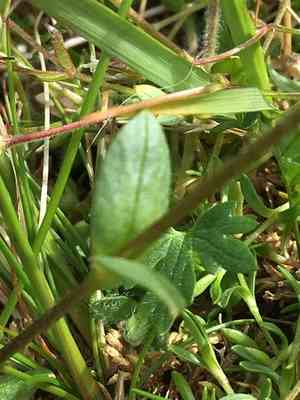
Alpine mouse-ear (Cerastium alpinum)
Also known as: Woolly alpine chickweed
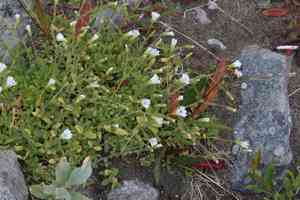
The alpine mouse-ear, scientifically known as Cerastium alpinum, was first described by Carl Linnaeus in 1753. This plant thrives in cold tundra and heath regions, forming dense mats. Due to its ease of cultivation, it is occasionally featured in garden rockeries.
In This Article
Attributes of Alpine mouse-ear
Lifespan
Perennial
Plant Type
Herb
Plant Height
5 cm to 20 cm
Spread
10 cm to 30 cm
Leaf Color
Gray-green
Flower Size
1.5 cm to 2 cm
Flower Color
White
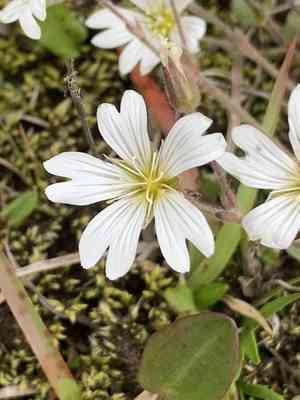
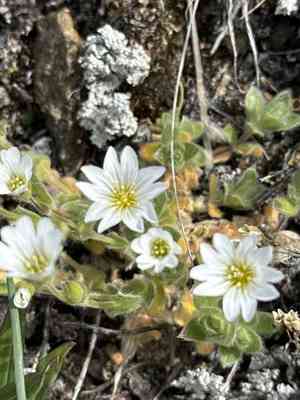
Images of Alpine mouse-ear
Quickly Identify Alpine mouse-ear
1
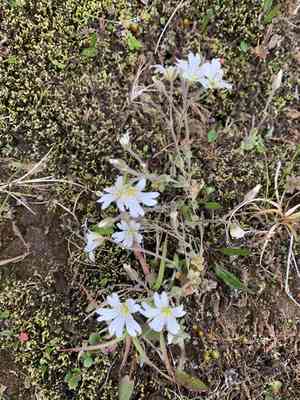
Cerastium alpinum can be identified by its small, hairy leaves and stems, and its white, star-shaped flowers with deeply notched petals.
Scientific Classification of Alpine mouse-ear
Phylum
Vascular plants
Class
Dicotyledons
Order
Caryophyllales
Family
Pink
Genus
Mouse-ear chickweed
Species
Alpine mouse-ear
Planting and Growing of Alpine mouse-ear
Care Difficulty
Easy
Watering Schedule
Every 3 days
Sunlight Requirements
Partial sun
Sunshine Duration
4-8 hours
Ideal Temperature
50-65℉
Soil Type
Potting Mix, Peat Mix
Soil pH
6.5-7.5
Fertilizer Type
Balanced
Pruning Season
Spring, Summer
Pruning Area
Branches, Leaves
Pruning Frequency
2 times a year
Repotting Season
Spring
Pot Type
Plastic, Terracotta
 How to Water Alpine mouse-ear?
Cerastium alpinum requires a watering amount of around 200 ml each time. This alpine plant thrives in well-draining soil, so when watering, ensure the water flows through the soil and doesn't pool. Watering should mimic its natural environment, allowing the topsoil to dry slightly between watering sessions.
What are the symptoms of an underwatered Alpine mouse-ear?
›
What should I do if my Alpine mouse-ear is not getting enough water?
›
What are the symptoms of an overwatered Alpine mouse-ear?
›
How to save an overwatered Alpine mouse-ear?
›
 What Are the Sunlight Requirements for Alpine mouse-ear?
Partial sun with 3 to 6 hours of gentler, indirect rays ensures thriving growth and optimal blooming of Cerastium alpinum without risking damage from too harsh exposure.
Optimal Light Intensity
›
Location Adjustment
›
Natural Sunlight Adjustment
›
 What Is the Ideal Temperature Range for Alpine mouse-ear?
For Cerastium alpinum, the optimal temperature range is between 50 and 65 degrees Fahrenheit. Within this range, the plant achieves its best growth, as these temperatures mimic the plant's natural alpine environment. Maintaining this range allows the plant to photosynthesize efficiently and maintain its water and nutrient uptake processes.
 What Soil is Best for Alpine mouse-ear?
Cerastium alpinum thrives in soil with excellent drainage. A well-draining soil prevents water from stagnating, which reduces the risk of root rot and facilitates optimal nutrient uptake, ensuring healthy plant growth. While not overly demanding, Cerastium alpinum prefers soil with a moderate amount of nutrients. Adequate nutrients support vibrant foliage and robust flowering, providing this alpine plant with the energy needed to withstand challenging conditions. A soil pH in the range of 6.5 to 7.5 is ideal for Cerastium alpinum. This pH range ensures nutrient availability and meets the plant's physiological needs, contributing to its overall health and resilience.
 How to Fertilize Alpine mouse-ear?
Cerastium alpinum, or Alpine Chickweed, should be fertilized cautiously with a balanced fertilizer. Use a dilution rate of one-quarter the recommended strength for liquid feed, applying to moist soil to prevent root burn. For slow-release fertilizers, distribute evenly around the root zone, opting for a minimal application. This approach respects its nativity to nutrient-poor alpine environments.
 How to Prune Alpine mouse-ear?
To properly prune Cerastium alpinum, you will need a pair of clean, sharp pruning shears for precise cuts. Sterilized tools prevent the spread of disease. Consider purchasing a small hand saw for thicker stems if needed. Begin by identifying dead or diseased stems. Cut these back to the base. Trim overgrown branches to a desirable length, ensuring an even shape. Maintain its bushy appearance by clipping back any leggy growth. Routinely check during the growth season for irregularities.
More About Pruning Techniques→
 How to Propagate Alpine mouse-ear plant?
1
Begin by filling seed trays with a well-draining seed starting mix. Sprinkle Cerastium alpinum seeds over the surface and lightly cover them with soil. Ensure the soil remains moist until germination occurs.
2
Use a propagation knife to take cuttings of about 10 cm in length from a healthy plant. Remove the lower leaves and dip the cut end into rooting hormone before planting in a sterile potting mix.
3
Gently dig up an established plant and carefully divide the root ball into smaller sections, ensuring each section has some foliage and roots. Replant these divisions immediately for best results.
 How to Repot Alpine mouse-ear plant?
1
Look for signs such as roots coming out of the drainage holes or the plant becoming root-bound, indicating that it's time for a bigger home. Spring and early summer are ideal because the plant will be more actively growing, making it easier to recover from transplant shock.
2
Choose a pot that's about 1-2 inches larger in diameter than the current one. The material should be porous, like terracotta, which allows for better air circulation and prevents root rot. A larger pot provides the roots with more room to grow, ensuring a healthier plant.
3
Select soil that is sandy and well-draining as Cerastium alpinum thrives in these conditions. Such soil mimics its natural habitat, providing excellent drainage and preventing waterlogged roots. The improved aeration encourages robust root development.



