How to Propagate Alpine mouse-ear?
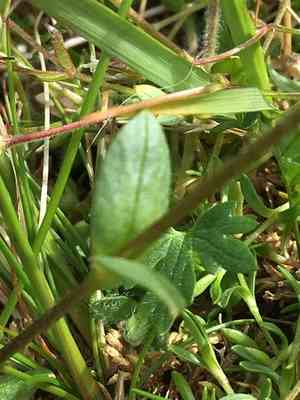
Alpine mouse-ear can be successfully multiplied using cuttings. Cultivators ought to choose robust, non-blooming stems for this procedure. After severance, submerging the stem's base in a rooting compound can stimulate root formation. Placing them in a porous, damp soil blend provides the most favorable conditions for root expansion. It is crucial to uphold steady hydration without oversaturation, as this can impede root anchoring.
Optimal Time for Alpine Mouse-ear Propagation
Propagation Method
Cutting
Propagation Period
Spring,Summer
Tools for Alpine Mouse-ear Propagation
Sharp pruning shears
These are crucial for making clean cuts on alpine mouse-ear stems. A sharp blade ensures precise, clean cuts, minimizing tissue damage and infection risk. This is especially important for alpine mouse-ear's delicate structure.
Rooting hormone
This chemical promotes root development after cutting. Applying rooting hormone to the cut end of alpine mouse-ear's stem can significantly boost successful root formation. This increases the overall propagation success rate by encouraging faster, healthier root initiation.
Sterile potting mix
A well-draining, low-nutrient medium is perfect for alpine mouse-ear to prevent root rot and support healthy growth. Sterile potting mix lowers the risk of soil-borne diseases affecting new cuttings, which is vital for the sensitive initial stages of root development in alpine mouse-ear.
Humidity domes
These cover the planting area, maintaining high humidity around alpine mouse-ear cuttings, essential for moisture retention as new roots form. Humidity domes also help keep temperatures stable, creating an ideal microenvironment for propagation.
Small pots or propagation trays
Suitable for individual or grouped cuttings, these provide necessary space for root growth. Container size and depth are key to ensuring alpine mouse-ear isn't overcrowded and has ample room for root expansion, aiding stability and growth post-transplantation.
Steps to Propagate Alpine Mouse-ear
Propagation Type
Easy
Post-Propagation Care for Alpine Mouse-ear
Post-Propagation Care for Alpine Mouse-ear
Once roots have formed, gradually introduce young alpine mouse-ear plants to outdoor conditions by removing the plastic cover and increasing air circulation. When new growth appears, transplant them into larger pots or their permanent location. Keep the soil consistently moist and provide partial to full sun exposure, ensuring good drainage and cool temperatures to mimic alpine mouse-ear's natural habitat.
Common Errors to Avoid When Propagating Alpine Mouse-ear
Overwatering
Excessive watering can lead to root rot or fungal diseases in alpine mouse-ear, which prefers well-draining soil. Too much moisture can suffocate roots, hindering growth and potentially causing plant death.
Deep planting
Planting alpine mouse-ear cuttings or divisions too deeply can prevent adequate light and air, stunting growth and reducing the likelihood of successful rooting.
Neglecting humidity
While alpine mouse-ear doesn't thrive in overly wet conditions, maintaining moderate humidity is crucial during propagation to prevent cuttings from drying out.
Advice for Propagating Alpine Mouse-ear
Sharp tools
Use sharp, clean tools when taking cuttings or dividing alpine mouse-ear. This prevents damage to plant tissues, leading to better healing and rooting success.
Adequate light
Ensure alpine mouse-ear receives ample indirect sunlight during propagation. This promotes vigorous growth without the risk of scorching young plants or cuttings.
Well-draining substrate
Use a well-draining substrate for rooting alpine mouse-ear. A mix of sand, perlite, and peat can provide the ideal balance of moisture retention and drainage needed for healthy root development.



