How to Prune Alpine mouse-ear?
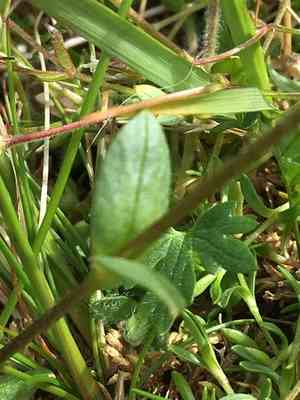
This enduring herb, recognized for its pubescent leaves and pale blossoms, flourishes in mountainous environments. Cerastium alpinum benefits from moderate trimming. To foster denser development and preserve visual appeal, snip off spent blooms and deadhead consistently. The best periods for pruning are immediately following its spring to summer bloom, and minor tidying in autumn. Pruning not only improves Cerastium alpinum's look but also deters self-propagation and encourages fresh growth for a vibrant presentation.
What Are the Benefits of Pruning Alpine Mouse-ear?
What Are the Benefits of Pruning Alpine Mouse-ear?
Trimming alpine mouse-ear promotes robust development and helps preserve its dense form. It eliminates lifeless or weak stems, fostering a sturdy structure for healthy growth.
What Is the Best Time for Pruning Alpine Mouse-ear?
What Is the Best Time for Pruning Alpine Mouse-ear?
Pruning alpine mouse-ear in the Spring is recommended shortly after snowmelt and just prior to new growth. This timing allows for the removal of any dead or damaged foliage from winter, helping to prevent disease and encourage healthy development. Late Summer pruning should occur after the plant has bloomed, to shape it and remove spent flowers, promoting a neat appearance and potentially a second flowering. Fall pruning should be avoided for alpine mouse-ear as it might stimulate new growth vulnerable to impending winter frost.
What Tools Do I Need to Prune Alpine Mouse-ear?
Hand Pruners
These small, precise cutting instruments are perfect for alpine mouse-ear due to its compact size and delicate stems. They enable clean cuts without harming the plant's structure.
Pruning Scissors
Also known as micro-tip snips, these scissors are ideal for snipping soft stems and removing dead flower heads from alpine mouse-ear, ensuring accurate cuts in small areas.
Gardening Shears
For shaping alpine mouse-ear and managing its spread, gardening shears can be effective. Their sharp blades allow for quick and neat trimming of larger sections.
How to Prune Alpine Mouse-ear
Identification
Locate diseased, withered leaves, and dead or unhealthy branches on alpine mouse-ear.
Disinfection
Sanitize pruning shears with an alcohol or bleach solution to prevent disease transmission.
Cutting
Utilize sharp shears to make clean cuts on alpine mouse-ear just above a leaf set for branches and at the plant's base for leaves.
Removal
Clear away all trimmed portions from alpine mouse-ear to prevent potential pest infestations and disease spread.
Post prune care
Observe alpine mouse-ear closely after pruning for indications of new growth or additional issues to address.
Common Pruning Mistakes with Alpine Mouse-ear
Over-pruning
Removing excessive foliage can stress alpine mouse-ear, leading to stunted growth and reduced blooms. It's vital not to trim more than one-third of the plant at once.
Improper tool use
Using dull or unclean tools can cause damage and introduce diseases to alpine mouse-ear. Always use sharp, sanitized pruning shears for the cleanest cuts.
Disregarding plant shape
Pruning without considering the natural form of alpine mouse-ear may result in an uneven or unnatural look. Cuts should be made to maintain the plant's inherent shape.
Neglecting dead or diseased foliage
Failing to remove dead or infected leaves and stems can impair the health and appearance of alpine mouse-ear; such material should be prioritized during pruning.
Pruning too aggressively
Cutting back alpine mouse-ear too harshly can impede its development. Gentle pruning is preferred for sustaining strong growth and vitality.
Common Pruning Tips for Alpine Mouse-ear
Selective pruning
Address only the areas requiring attention, such as dead, damaged, or diseased stems, to promote the overall health of alpine mouse-ear.
Timing cuts
While avoiding mention of the best season, it's important to note that pruning should be performed when alpine mouse-ear is not actively growing to prevent interrupting vital growth processes.
Encouraging growth
Make cuts just above a leaf node or branching point to stimulate new growth in alpine mouse-ear. This technique helps maintain a compact and bushy form.
Cleanliness
Disinfect tools before and after use to prevent the spread of diseases in alpine mouse-ear. A solution of 1 part bleach to 9 parts water can be used for this purpose.
Mulching post-prune
After pruning, applying a layer of mulch around alpine mouse-ear can help protect the root system and retain soil moisture, which is especially beneficial after pruning has occurred.



