How to Transplant Spiny Hackberry?
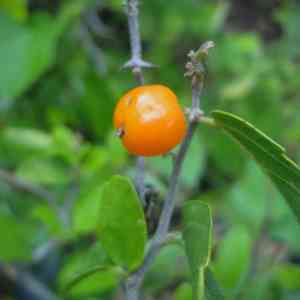
For spiny Hackberry, the ideal period for relocation spans from the warmth of late spring into early summer, a phase characterized by robust development. Select a site that receives full sun to partial shade and verify that the ground offers good drainage. Should it be required, ensure ample watering after transplanting to foster the development of a strong root system.
What Preparations are Needed Before Transplanting Spiny Hackberry?
What is the Ideal Time for Transplanting Spiny Hackberry?
The best time to move spiny Hackberry is at the start of spring, moving into summer. This period allows spiny Hackberry to set roots before intense heat, encouraging strong development. Relocating spiny Hackberry then ensures it benefits from spring moisture and upcoming longer, warmer days. It's the perfect time where mild temperatures and increasing daylight combine, giving spiny Hackberry an excellent start in its new spot with less stress and ideal conditions for adapting.
How Much Space Should You Leave Between Spiny Hackberry Plants?
Greetings, aspiring gardener! When selecting a location for your spiny Hackberry, ensure ample room for its growth. Aim to position them approximately 20-30 feet (6-9 meters) apart. This spacing guarantees each spiny Hackberry has sufficient area for its roots and branches to expand.
What is the Best Soil Mix for Spiny Hackberry Transplanting?
To give your spiny Hackberry the best start, blend garden soil with well-decomposed compost before planting. Incorporating a balanced, slow-release fertilizer with a 10-10-10 NPK ratio is beneficial for promoting vigorous growth. Always follow the product's instructions for the correct dosage!
Where Should You Relocate Your Spiny Hackberry?
Your spiny Hackberry enjoys ample sunlight, so select a bright location that receives several hours of direct sun daily. A spot that mimics its natural habitat will help your spiny Hackberry flourish, just ensure it's shielded from strong winds or frost pockets to keep your plant happy!
What Equipments Should You Prepare Before Transplantation Spiny Hackberry?
Gardening Gloves
To safeguard your hands while handling soil and plants.
Shovel
For excavating the plant and preparing the new planting site.
Spade
For cutting through soil and assisting in lifting the root ball.
Watering Can
For pre-wetting the soil and hydrating the plant post-transplant.
Wheelbarrow
For moving the plant and any heavy soil or tools.
Pruning Shears
For trimming any damaged roots or branches prior to transplanting.
Tape Measure
To ensure correct spacing between new planting spots.
Stakes
To offer support for the plant if needed after transplanting.
Twist Ties or Plant Ties
For gently securing spiny Hackberry to the stakes.
How Do You Remove Spiny Hackberry from the Soil?
How Do You Remove Spiny Hackberry from the Soil?
From Ground: First, hydrate the spiny Hackberry plant to moisten the earth. Next, excavate a broad trench around the plant using a shovel or spade, ensuring the plant's root ball remains intact. Carefully work the spade beneath the root ball to lift the plant from its original spot.From Pot: Water the spiny Hackberry thoroughly before transplanting. Tilt the container on its side and gently tap or squeeze it to loosen the root ball. Extract the plant by the stem's base with a firm yet gentle grip.From Seedling Tray: Water the tray to dampen the soil. Use a spoon or a small garden trowel to carefully dig out the seedling, aiming to keep as much soil around the roots as possible.
Step-by-Step Guide for Transplanting Spiny Hackberry
Preparing New Site
Dig a hole twice as wide and as deep as the root ball. Loosen the surrounding soil to allow for root expansion.
Root Ball Care
Examine the root ball for any circling or girdling roots and carefully trim them. This promotes outward growth in the new location.
Placement
Position the spiny Hackberry in the center of the hole at the same depth it was previously growing. The transition should be smooth with no air pockets around the roots.
Soil Amendment
Backfill the hole with the original soil that was removed, and any recommended organic material from prior care instructions, avoiding over-compaction.
Staking
If spiny Hackberry is tall or top-heavy, insert stakes around the plant and use plant ties to secure it gently. This provides stabilization as the roots establish.
Watering In
Water the spiny Hackberry generously immediately after transplanting to settle the soil and eliminate air pockets. This step is crucial for establishing new roots.
Mulching
Apply a layer of mulch around the base to help retain soil moisture and regulate soil temperature.
How Do You Care For Spiny Hackberry After Transplanting?
Monitoring
Regularly check the spiny Hackberry's soil moisture and adjust watering as needed, especially in the initial weeks to support root establishment.
Pruning
Trim any dead or damaged branches to redirect the spiny Hackberry's energy to root development and new growth.
Support Adjustment
Periodically adjust stakes and ties to ensure they provide support without harming the spiny Hackberry as it grows.
Weed Control
Keep the area around the spiny Hackberry free of weeds, which can compete for nutrients and water.
Troubleshooting Common Issues with Spiny Hackberry Transplantation.
When is the best time to transplant spiny Hackberry?
The ideal time is during its peak growth period, typically in the warmth of late spring to early summer.
How far apart should I space spiny Hackberry while transplanting?
For healthy development, space spiny Hackberry approximately 20-30 feet (6-9 meters) apart to accommodate their mature size.
What are the signs spiny Hackberry needs watering post-transplant?
Wilting or drooping leaves can indicate a need for water. Keep the soil moist but not waterlogged.
Why are my transplanted spiny Hackberry leaves turning yellow?
Yellow leaves may result from transplant shock. Ensure the soil isn't too wet or dry and avoid high-nitrogen fertilizers.
How deep should the planting hole be for spiny Hackberry?
The hole should be as deep as the root ball and two to three times wider to encourage root growth.
Can I fertilize spiny Hackberry right after transplanting?
Wait a few months before fertilizing to allow spiny Hackberry to establish its roots in the new environment.
How much sun does spiny Hackberry need after being transplanted?
Spiny Hackberry thrives in full sun to partial shade. Ensure the new location receives adequate sunlight for optimal growth.
What should I do if the transplanted spiny Hackberry is wilting?
Provide consistent moisture, especially in the first few weeks. Mulch can help retain soil moisture and regulate temperature.
How often should I water spiny Hackberry after transplanting?
Water every couple of days to maintain a damp soil environment, adjusting for rainfall and temperature.
Is pruning necessary after transplanting spiny Hackberry?
Light pruning may help spiny Hackberry focus on root establishment, but excessive pruning should be avoided immediately after transplanting.



