How to Prune Spiny Hackberry?
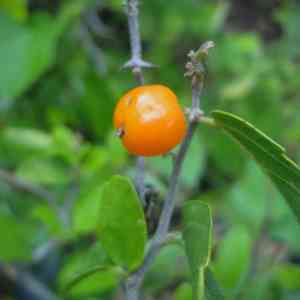
The spiny Hackberry, a resilient deciduous tree recognized for its unique thorny branches, greatly benefits from proper trimming. Remove any lifeless or ailing wood and undesirable basal shoots to preserve its well-being and form. Reducing the density of the canopy improves air movement and light exposure, potentially lowering the chances of disease. Conduct pruning in early spring, after the dormant period concludes but prior to the start of the main growth phase. Strategic pruning reduces strain on the spiny Hackberry, boosting fruit yield and guaranteeing a sturdy framework.
What Are the Benefits of Pruning Spiny Hackberry?
What Are the Benefits of Pruning Spiny Hackberry?
Trimming spiny Hackberry promotes robust development and helps maintain its desired shape. Regular cutting fosters a strong framework, enabling spiny Hackberry to flourish and fit its allocated space.
What Is the Best Time for Pruning Spiny Hackberry?
What Is the Best Time for Pruning Spiny Hackberry?
Pruning spiny Hackberry in early spring is considered ideal as this period coincides with the end of the dormant winter phase, just before new growth begins. Trimming at this time helps ensure that cuts heal quickly with the surge of spring growth, reducing the risk of disease and pest infestation. Early spring pruning also allows gardeners to effectively shape the plant and remove any dead or damaged branches that may have resulted from winter weather, without significantly impacting the upcoming flowering and fruiting cycles. Additionally, pruning before new growth starts ensures that the plant's energy is directed towards the development of healthy new shoots and leaves, fostering a vigorous growth season. This timing avoids the removal of buds and young fruits, which is likely if the plant is pruned during its active growth or fruiting periods in late spring or summer.
What Tools Do I Need to Prune Spiny Hackberry?
Hand Pruners
Perfect for precise cuts on spiny Hackberry's smaller branches, enabling selective shaping and removal of damaged or diseased wood.
Loppers
Effective for cutting thicker branches of spiny Hackberry that hand pruners cannot manage, thanks to their long handles providing greater leverage.
Pruning Saw
Essential for branches over 1.5 inches thick on spiny Hackberry, they provide the necessary cutting power for larger limbs without harming surrounding growth.
Pole Pruner
Suitable for reaching higher branches of spiny Hackberry without needing a ladder, ensuring safe and accurate pruning.
Gloves
Crucial for protecting hands from thorns and rough bark while pruning spiny Hackberry.
Pruning Shears
Ideal for snipping off water sprouts and suckers that frequently grow on spiny Hackberry, providing a clean cut to enhance plant health.
How to Prune Spiny Hackberry
Clean
Ensure pruning tools are clean before starting work on spiny Hackberry to prevent disease spread. Sterilize shears, saws, and other implements with a solution like alcohol or bleach water.
Remove Diseased Leaves
Carefully trim away any visible diseased leaves from spiny Hackberry, cutting well into healthy tissue to eliminate any spread of infection. Safely dispose of these leaves to prevent contamination of the surrounding area.
Prune Withered Leaves
Identify and remove withered leaves from spiny Hackberry by cutting at the base of the stem. Ensure clean cuts to promote faster healing and reduce plant stress.
Cut Dead Branches
Use appropriate cutting tools to remove dead branches from spiny Hackberry. Make each cut just outside the branch collar to facilitate proper healing without harming the main structure.
Trim Diseased Branches
Inspect spiny Hackberry for diseased branches and trim them back to healthy wood. If necessary, make several cuts to avoid tearing or damaging the bark or remaining healthy branch structure.
Common Pruning Mistakes with Spiny Hackberry
Over-Pruning
Removing too much foliage from spiny Hackberry at once can stress the plant, leading to weak growth and increased susceptibility to diseases.
Flush Cuts
Making flush cuts against the trunk when trimming branches on spiny Hackberry can damage the collar and hinder the plant's natural healing process.
Neglecting Deadwood
Failing to remove dead or diseased branches from spiny Hackberry can lead to pest infestations and the spread of plant diseases.
Improper Tools
Using dull or dirty pruning tools on spiny Hackberry can cause jagged cuts that are prone to infection, and can also damage the plant's tissue.
Unbalanced Pruning
Pruning spiny Hackberry unevenly or excessively on one side can lead to an asymmetrical shape, poor branching patterns, and reduced plant vigor.
Common Pruning Tips for Spiny Hackberry
Clean Cuts
Make clean, angled cuts on spiny Hackberry to encourage proper healing and prevent water accumulation on cut surfaces, which can lead to rot.
Tool Sanitation
Disinfect pruning tools before and after use on spiny Hackberry to prevent the spread of diseases between plants.
Gradual Thinning
Thin out the canopy of spiny Hackberry gradually over several seasons to maintain plant health, rather than doing it all at once.
Consider Natural Form
Prune spiny Hackberry with its natural shape in mind, maintaining a balanced form to encourage even growth and sunlight penetration.
Branch Collar
When removing larger branches from spiny Hackberry, cut just outside the branch collar without damaging it, to promote faster and more effective healing.



