Spiny Hackberry(Celtis ehrenbergiana)

Spiny Hackberry (Celtis ehrenbergiana)

Also known as: Huasteco, Shiny Hackberry

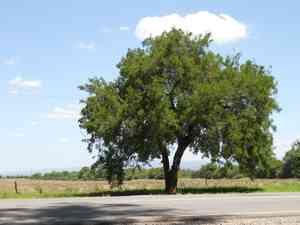
The Spiny Hackberry (Celtis ehrenbergiana) is a perennial shrub or small tree that typically reaches heights of 2.5 to 5 meters. It thrives in full sun to partial shade, making it well-suited for arid and semi-arid environments. The plant is known for its thorny branches and rough, warty bark.

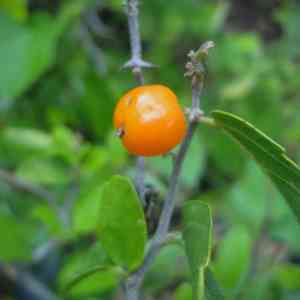
In spring and summer, the Spiny Hackberry produces small, greenish flowers that are not particularly showy but play a crucial role in its reproductive cycle. These flowers attract a variety of pollinators, including bees, butterflies, and hummingbirds. By late summer to early fall, the tree produces bright orange berries. These fruits are not only edible and sweet but also serve as an important food source for birds and other wildlife.

Overall, the Spiny Hackberry is a resilient plant that provides ecological benefits through its fruit and serves as a habitat due to its thorny nature. It is well-adapted to withstand harsh, dry conditions, making it a valuable component of its native ecosystem.

Attributes of Spiny Hackberry

Lifespan
Perennial
Plant Type
Shrub
Plant Height
3 m
Spread
2.5 m to 3 m
Leaf Color
Green Blue
Flower Size
2.5 mm
Flower Color
Yellow Green

ForwardPlant - Identify plants with a snap

Identify and diagnose plants, get toxicity alerts, and explore safety guides for all types of fungi.

Try for Free

Images of Spiny Hackberry

Spiny Hackberry(Celtis ehrenbergiana)

Quickly Identify Spiny Hackberry

1
Identify Celtis ehrenbergiana by its spiny branches, small ovate leaves, and orange to red drupes. The bark is rough and grayish, while the leaves are alternately arranged.

Scientific Classification of Spiny Hackberry

Phylum
Vascular plants
Class
Dicotyledons
Order
Rosales
Family
Hemp
Genus
Hackberries
Species
Spiny Hackberry

Planting and Growing of Spiny Hackberry

Care Difficulty
Easy
Watering Schedule
Every 2 days
Sunlight Requirements
Full sun
Sunshine Duration
6-10 hours
Ideal Temperature
60-80℉
Soil Type
Potting Mix, Peat Mix
Soil pH
6.5-7.5
Fertilizer Type
Balanced
Pruning Season
Spring, Summer
Pruning Area
Branches, Leaves
Pruning Frequency
2 times a year
Repotting Season
Spring
Pot Type
Plastic, Ceramic

water icon How to Water Spiny Hackberry?

For Celtis ehrenbergiana, the key is to provide a generous and thorough watering session, ensuring the soil is soaked but not waterlogged, maintaining a balance that simulates its natural environment. Water until excess moisture drains from the pot's bottom, indicating that root zones are adequately hydrated.
What are the symptoms of an underwatered Spiny Hackberry?
What should I do if my Spiny Hackberry is not getting enough water?
What are the symptoms of an overwatered Spiny Hackberry?
How to save an overwatered Spiny Hackberry?

sunlight icon What Are the Sunlight Requirements for Spiny Hackberry?

Sunlight Requirements: Full sun, Partial sun
Duration of light: 6-8 hours daily
Celtis ehrenbergiana thrives in full to partial sun conditions. The ideal light ensures robust growth, vibrant foliage, and overall plant vigor, contributing positively to its resilience and flowering potential.
Optimal Light Location
Outdoor vs Indoor Placement
Supplementary Light Options

temperature icon What Is the Ideal Temperature Range for Spiny Hackberry?

Ideal Temperature: 60 ~ 80℉
Celtis ehrenbergiana thrives best within a temperature range of 60°F to 80°F (15°C to 27°C). This range ensures optimal growth conditions by supporting the plant's metabolic activities. Maintaining this temperature ensures good leaf development and supports the plant’s photosynthesis process. Deviations from this range might affect the plant’s vitality and growth rate.

soil icon What Soil is Best for Spiny Hackberry?

Soil type: Sandy soil, Loam, Calcareous soil
Soil PH: 6.5 ~ 7.5
Celtis ehrenbergiana thrives in well-drained soils, which prevent waterlogging and root rot. Good drainage ensures that the roots receive adequate oxygen and nutrients, promoting healthier growth and development. This plant prefers soils rich in organic matter, providing essential nutrients for robust health and growth. Using compost or organic fertilizers can greatly enhance soil fertility, leading to a more vibrant plant. While it can tolerate drought conditions, Celtis ehrenbergiana benefits from moderate moisture levels to ensure steady growth. Regular watering in dry spells supports its survival and lushness.

fertilize icon How to Fertilize Spiny Hackberry?

Fertilizer type: Balanced
When fertilizing Celtis ehrenbergiana, it's crucial to maintain a balanced nutrient approach. Generally, using 1/4 of the recommended amount on the fertilizer label per application is ideal to ensure optimal leaf growth and root development without overwhelming the plant.

prune icon How to Prune Spiny Hackberry?

Pruning Time: Spring, Summer, Autumn
Start by inspecting the tree for any dead, diseased, or damaged branches. Cut these back to the point of healthy wood, which is typically where you see green or moist wood exposed. After removing compromised wood, focus on shaping the tree by cutting back to a healthy bud, lateral branch, or main stem. This promotes vigorous and balanced growth. Thin out any densely packed branches, particularly those growing inward. This improves air circulation and sunlight penetration, reducing disease risk and bolstering plant vitality. More About Pruning Techniques

propagate icon How to Propagate Spiny Hackberry plant?

Propagate Time: Spring, Early spring
1
Harvest seeds from ripe fruits in the autumn and store them in a cool, dry place until early spring. Clean the seeds well to remove any fruit residue.
2
Select healthy, mature branches and cut 10-15 cm sections. Remove lower leaves and ensure at least one node is below the surface when planting.
3
Plant seeds or cuttings in a tray filled with a mix of soil and sand. Maintain consistent moisture but avoid overwatering to promote rooting.
More About Propagating Techniques

repot icon How to Repot Spiny Hackberry plant?

Repotting frequency: Every 2-3 years
1
The perfect timing to repot Celtis ehrenbergiana is when you observe roots starting to outgrow from the drainage holes, indicating it has become root-bound. Additionally, slower than usual growth can signal the need for a roomier home.
2
Select a pot that's 1-2 inches larger in diameter than the current one to give the roots ample space to grow without becoming waterlogged. Ensure it has proper drainage holes to prevent root rot and to maintain healthy soil moisture levels.
3
Opt for a well-drained, sandy loam soil. The loose texture allows for proper drainage while retaining sufficient moisture, ensuring the perennial thrives without the risk of water accumulation or nutrient deficiency.

ForwardPlant - Identify plants with a snap

Find the best spots for them to optimize their health, simply using your phone.

Try for Free