Enhancing Your Garden Design with the Spiny Hackberry Plant: A Landscaping Guide
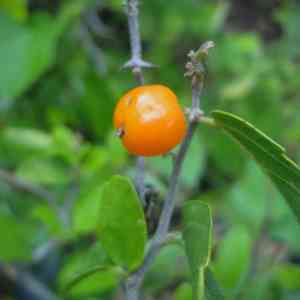
1
Spiny Hackberry flourishes in bright areas and soils that drain effectively.
2
Its extensive root network allows it to offer natural protection against soil erosion.
3
Spiny Hackberry contributes to local ecological diversity by drawing in different pollinators and avian species.
Introducing Spiny Hackberry to Your Garden
Understanding the Growth Habits of Spiny Hackberry
Before integrating Spiny Hackberry into your garden, grasp its growth patterns. This plant exhibits a moderate to rapid growth rate, achieving considerable height, making it a prominent garden feature. It typically features a thorny trunk and expansive, spreading branches that provide ample shade. Its foliage is dense, offering excellent cover and appealing texture. Knowing these traits aids in placement planning and ensures its prosperity.
Selecting the Optimal Location for Spiny Hackberry in Your Landscape
Choosing the ideal spot for Spiny Hackberry is vital for its success. It thrives in sunny areas with well-drained soil. Avoid waterlogged sites, as this can stress the plant and impede growth. Consider its mature size when planting near structures, ensuring ample room for expansion. Its extensive roots can stabilize soil, so planting on a slope can offer erosion control.
Seasonal Considerations for Planting Spiny Hackberry
The best time to plant Spiny Hackberry is during cooler periods, either early spring or fall, when temperatures are mild, allowing the plant to establish roots without extreme heat stress. Ensure the planting hole is deep enough for its root system, and water thoroughly post-planting. Mulching around the base helps retain moisture and regulate soil temperatures, fostering better root development as seasons change.
Design Ideas Featuring Spiny Hackberry
Creating Focal Points with Spiny Hackberry
Spiny Hackberry can serve as a striking focal point in your garden due to its unique look and size. Position it prominently where its distinct silhouette and dense leaves can attract attention. Surround it with flowering plants and shrubs to enhance its visual appeal. A strategically placed light can also highlight its features, making it a centerpiece day and night.
Incorporating Spiny Hackberry into Hedges and Borders
A creative use for Spiny Hackberry is integrating it into hedges and borders. Its dense foliage and thorny branches make it an excellent natural barrier, providing privacy and security. You can plant multiple Spiny Hackberry in a line along your garden's edge to form an effective hedge. Regular trimming will maintain its shape and encourage denser growth, creating a lush, green boundary.
Combining Spiny Hackberry with Complementary Plants
Spiny Hackberry pairs well with various plants that complement its texture and growth habits. Combine it with flowering perennials to add color and attract pollinators. Grasses and succulents can offer contrasting textures while requiring similar growing conditions. When selecting companion plants, ensure they share the same soil and sunlight preferences to create a harmonious and cohesive garden design.
Maintenance Tips for Keeping Spiny Hackberry Thriving
Proper Watering Practices for Spiny Hackberry
Maintaining an appropriate watering schedule is crucial for Spiny Hackberry's health. While it tolerates drought once established, consistent watering during its initial years helps develop a robust root system. Water deeply but infrequently, ensuring the soil is thoroughly moist but not saturated. Mulching can assist in moisture retention and reduce the need for frequent irrigation.
Trimming and Pruning Spiny Hackberry: Best Practices
Pruning Spiny Hackberry is vital for maintaining its form and promoting healthy growth. The optimal time for trimming is during winter dormancy. Remove any dead, diseased, or damaged branches, and thin out dense areas to improve air circulation. Always use clean, sharp pruning tools for precise cuts, which helps prevent infection and encourages quicker healing.
Seasonal Care and Monitoring of Spiny Hackberry
Seasonal care for Spiny Hackberry involves monitoring for pests and diseases, which can vary by season. Regularly check for signs of infestations or fungal issues, especially during the growing period. Applying a balanced fertilizer in early spring can stimulate vigorous growth. As winter nears, ensure the plant is well-watered but avoid late-season fertilizing that can encourage new growth vulnerable to frost damage.
Environmental Benefits of Incorporating Spiny Hackberry in Landscapes
Improving Biodiversity through Spiny Hackberry
Spiny Hackberry significantly enhances garden biodiversity. Its flowers attract various pollinators, including bees and butterflies, while its berries provide sustenance for birds and small mammals. By planting Spiny Hackberry, you create a microhabitat supporting diverse wildlife, helping maintain ecological balance in your area.
Erosion Control and Other Ecological Advantages
The extensive root system of Spiny Hackberry makes it excellent for controlling soil erosion. Planting it on slopes or areas prone to erosion can help stabilize the soil and prevent runoff. Additionally, Spiny Hackberry can improve soil quality through its leaf litter, which decomposes and adds organic matter to the soil. These ecological advantages make it a valuable addition to any landscape focused on sustainability and environmental responsibility.



