How to Propagate Spiny Hackberry?
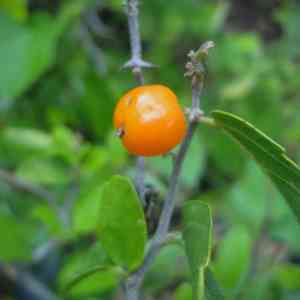
A robust and adaptable bush, spiny Hackberry flourishes when reproduced via cuttings. To effectively stimulate root formation, choose robust semi-hardwood branches and apply rooting compound prior to embedding them in adequately draining substrate. Sustaining a damp atmosphere, perhaps with a plastic enclosure, will significantly aid in the cutting's establishment. Regular yet measured irrigation, ensuring the growing medium stays hydrated, is crucial to prevent root decay throughout the rooting period. Perseverance is essential, as the rooting process can be protracted.
Optimal Time for Spiny Hackberry Propagation
Propagation Method
Cutting
Propagation Period
Autumn,Winter
Tools for Spiny Hackberry Propagation
Sharp Pruning Shears
Crucial for obtaining clean, precise cuttings from spiny Hackberry, sharp pruning shears help prevent harm to the parent plant and guarantee healthy cut ends on the propagation material. Sterilized, sharp shears minimize the risk of introducing pathogens that could compromise cutting viability.
Rooting Hormone
Rooting hormone encourages root development from spiny Hackberry cuttings, improving the likelihood of successful propagation. By applying a rooting hormone to the cut end, the cutting is prompted to form root tissues, which is vital for establishing new plants.
Propagation Tray
Designed to hold multiple cuttings in a regulated setting, propagation trays facilitate efficient management of spiny Hackberry's cuttings. These trays enable consistent moisture and temperature conditions, critical factors for rooting success.
Sterile Potting Mix
A sterile potting mix offers a pathogen-free environment, allowing for healthy root growth without the danger of soil-borne diseases affecting spiny Hackberry. This medium supports the cuttings by maintaining proper aeration and moisture retention.
Plastic Dome or Cover
A plastic dome or cover helps maintain high humidity around spiny Hackberry's cuttings, which is essential to prevent the cut ends from drying out before roots have formed. This tool creates a microenvironment that significantly boosts moisture retention and warmth, enhancing rooting success.
How to Propagate Spiny Hackberry?
Propagation Difficulty
Moderately Difficult
Caring for Your Newly Propagated Spiny Hackberry
Caring for Your Newly Propagated Spiny Hackberry?
Following propagation, it is crucial to gradually acclimate spiny Hackberry to outdoor conditions if they were propagated indoors. Initially, keep the young plants in a lightly shaded area and progressively increase their sun exposure over several weeks. Ensure consistent watering, especially during dry spells, as spiny Hackberry prefers steady moisture. As they mature, spiny Hackberry can tolerate various soil types but thrives best in well-drained soils. Minimal pruning is needed to maintain the plant's shape and health.
Common Mistakes to Avoid When Propagating Spiny Hackberry
Overwatering
When propagating spiny Hackberry, gardeners often overwater, particularly during the initial stages of root development. Excessive water can lead to root rot, diminishing the plant's chances of establishing and growing properly.
Using overly dense soil
Selecting a heavy or poorly draining soil mix when potting spiny Hackberry can hinder root growth due to insufficient air circulation and water drainage, making it difficult for the plant to establish.
Neglecting humidity and temperatures
This species may require specific humidity and temperature ranges, especially in a controlled environment. Ignoring these requirements can significantly impact the growth rate and overall success of propagation.
Improper cutting selection
Using unhealthy or unsuitable plant parts for cuttings can result in low success rates. Choosing weak or diseased cuttings can lead to poor growth or complete propagation failure.
Tips For Propagating Spiny Hackberry
Moderate watering
Ensure the soil stays moist but not waterlogged. Using a well-draining soil mix can assist with moisture management, aiding successful root development in spiny Hackberry.
Choose healthy cuttings
Select cuttings from healthy, disease-free sections of the parent plant. Ensuring cuttings have at least 2-3 nodes will increase the chances of successful propagation.
Use a rooting hormone
Applying a rooting hormone to the cut ends of spiny Hackberry cuttings can enhance rooting success. This stimulates root growth and helps establish the cuttings more quickly and effectively.
Maintain ideal humidity
Keeping the propagation environment humid can improve rooting efficiency. Using a humidity dome or frequent misting can help maintain the ideal moisture level around the cuttings.



