How to Transplant Buckbrush?
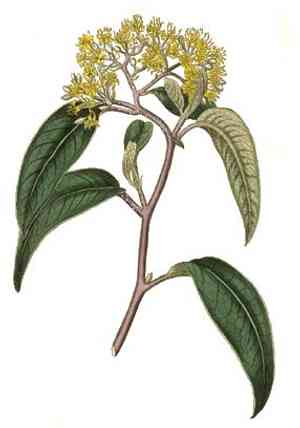
The most favorable period for relocating buckbrush is from late spring to early summer, capitalizing on vigorous development. Choose locations that receive ample sunlight and have good drainage. Should it be required, enrich the soil to strengthen the root system, guaranteeing the buckbrush's successful establishment.
What Preparations are Needed Before Transplanting Buckbrush?
What is the Ideal Time for Transplanting Buckbrush?
Choose the mild warmth of late spring to early summer; this period is optimal for buckbrush to thrive after relocation, with moderate temperatures aiding root development.
How Much Space Should You Leave Between Buckbrush Plants?
Let's begin! Proper spacing is crucial when moving buckbrush. Position each buckbrush approximately 6-8 feet (1.8-2.4 meters) apart. This ensures ample room for each plant to flourish without overcrowding. Did you know correct spacing also helps prevent disease and improves air circulation?
What is the Best Soil Mix for Buckbrush Transplanting?
Soil preparation is vital for buckbrush. It prefers soil that drains well. Prepare your garden bed by incorporating organic matter, such as compost, as a foundational fertilizer. This will supply the essential nutrients buckbrush needs for a strong, healthy start.
Where Should You Relocate Your Buckbrush?
For optimal outcomes, plant buckbrush in a spot that receives abundant sunlight. Buckbrush loves the sun! Ensure it gets at least 6 hours of direct sunlight daily. You're doing great, and your buckbrush will too in the right location!
What Equipments Should You Prepare Before Transplantation Buckbrush?
Gardening Gloves
To protect your hands while handling the plant and working with soil.
Trowel
A small hand tool with a pointed, scoop-shaped metal blade, perfect for breaking up earth and moving small plants.
Shovel or Spade
These implements will assist you in excavating the necessary holes in the ground.
Rake
A tool with multiple tines used to clear the area and make it suitable for planting.
Watering Can or Hose
For hydrating the plant during and after its relocation.
Mulch
To apply around the plant after planting, which helps retain soil moisture.
Stakes and Ties
To support the plant and maintain its form during and after replanting.
How Do You Remove Buckbrush from the Soil?
How Do You Remove Buckbrush from the Soil?
From Ground: First, water the buckbrush plant to moisten the soil. Then, dig a wide circle around the plant using a shovel, taking extra care to keep the root ball intact. Gradually work the shovel beneath the root ball, gently lifting the plant from its original spot.From Pot: If the buckbrush plant is in a pot, water it thoroughly and wait a few moments. Turn the pot sideways, grasp the plant by its base, and with a gentle tug, ease the plant and its root ball out.From Seedling Tray: Use a trowel to gently loosen the soil around the bases of the buckbrush plant. Hold the base of the plant and carefully lift the seedlings out, ensuring the roots are not harmed.
Step-by-Step Guide for Transplanting Buckbrush
Preparation
Prepare the new planting site by clearing away any debris with a rake. Use a shovel to dig a hole that is twice the width and the same depth as the plant's root ball.
Insertion
Place the buckbrush plant into the hole, ensuring that the top of the root ball is level with the soil surface.
Backfill
Carefully refill the hole with excavated soil, being careful not to bury the stem of the buckbrush plant. Gently firm up the soil with your hands to eliminate air pockets.
Watering
Thoroughly water the plant until the soil is damp.
Staking
If needed, use stakes and ties to provide additional support to the buckbrush plant.
Mulching
Apply a layer of mulch around the plant to help retain soil moisture and suppress weeds.
How Do You Care For Buckbrush After Transplanting?
Watering
Water the buckbrush plant regularly, ensuring the soil remains moist but not waterlogged, especially during dry spells.
Staking
Periodically check to ensure the stakes are properly supporting the buckbrush plant, and adjust ties if necessary.
Pruning
Prune the buckbrush plant occasionally to maintain its desired size and shape, and to remove any dead growth.
Monitoring
Regularly inspect the plant for signs of pests or disease; early detection can prevent serious harm to your buckbrush plant.
Troubleshooting Common Issues with Buckbrush Transplantation.
When is the optimal time of the year to transplant buckbrush?
The best time to transplant buckbrush is primarily between season 3 (S3) and season 5 (S5). This allows the plant to establish itself most effectively before harsh weather conditions arrive.
What are the ideal conditions for the soil when transplanting buckbrush?
The ideal soil for buckbrush should be well-draining to prevent waterlogged roots. It should be rich in organic matter to provide nutrients for the plant's growth.
What's the proper spacing when transplanting buckbrush?
Ensure each buckbrush is spaced about 6-8 feet (approximately 1.8-2.4 meters). This spacing provides ample room for each plant to grow and thrive.
What is the advised depth to plant buckbrush during transplanting?
Generally, you'll want to plant buckbrush about as deep as its root ball. This allows sufficient space for roots to spread and establish themselves.
Should I water buckbrush immediately after transplanting?
Yes, it's crucial to water buckbrush right after transplanting. This helps settle the soil around the roots and reduce plant stress.
How can I minimize transplant shock for buckbrush?
Minimize transplant shock by gradually acclimating buckbrush to its new location. Begin by providing some morning sun, and progressively increase sunlight exposure over a week.
How important is it to remove air pockets during transplanting of buckbrush?
It's quite significant. Air pockets can prevent roots from contacting the soil, limiting their ability to absorb nutrients and water. Firm the soil gently but thoroughly.
What signs should I look for to know if my buckbrush is successfully transplanted?
Successful transplantation results in a healthy, thriving buckbrush. Signs include new leaf growth, resistance to pests, and a robust root system.
What should I do if the leaves of buckbrush wilt after transplantation?
Temporary wilting post-transplant is normal as buckbrush adjusts to its new environment. However, persistently wilted or discolored leaves may indicate problems, such as overwatering or excessive sun.
Are there any specific fertilizers that are more beneficial for transplanting buckbrush?
While buckbrush isn't particularly fussy, an all-purpose slow-release organic fertilizer can help provide the nutrients it needs to establish itself after transplant.



