Enhancing Your Garden Design with the Buckbrush Plant: A Landscaping Guide
1
Buckbrush thrives in dry conditions, making it ideal for water-wise landscapes.
2
Selecting an appropriate spot in your garden is crucial to enhance Buckbrush's aesthetic and environmental contributions.
3
Buckbrush pairs well with other flora to cultivate a richer and more dynamic garden environment.
Introducing Buckbrush for Landscaping
Overview of Buckbrush and its native environment
Buckbrush is a robust and adaptable plant native to arid regions. It typically flourishes in areas with well-drained soil and ample sunlight. This plant can tolerate various soil types, though it prefers slightly acidic ones. In its natural habitat, Buckbrush is often found in scrublands, offering a natural home for diverse bird and insect species. Understanding its original setting helps gardeners replicate these conditions for healthy growth in their own yards.
Why select Buckbrush for your garden?
Choosing Buckbrush for your garden offers numerous advantages. Its appealing blossoms and dense foliage provide aesthetic charm and serve as an excellent ground cover or border plant. Furthermore, Buckbrush is known for its minimal water needs, making it an ideal option for gardeners aiming to conserve water and create a sustainable landscape. Additionally, it supplies food and shelter for local wildlife, fostering biodiversity right in your backyard.
Designing with Buckbrush: Visual Appeal and Placement
Buckbrush's visual characteristics and seasonal changes
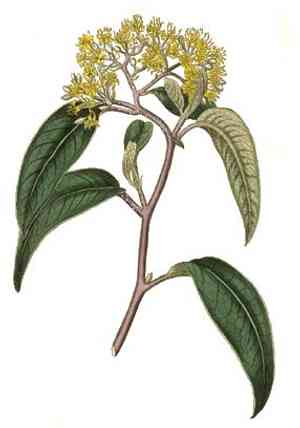
Buckbrush displays small yet abundant flowers, ranging from delicate white to vivid blue, adding a spectacular show to your garden. These blooms typically appear in clusters, providing a burst of color during spring and summer. The foliage can vary from green to a grayish hue, depending on the variety and season, offering year-round visual interest. As seasons progress, the leaves may adopt different shades, further enhancing the plant's dynamic presence in your garden.
Optimal garden locations for Buckbrush
To maximize Buckbrush's potential, it's essential to position it where it receives ample sunlight. This plant performs best in full sun to partial shade. Ideal spots include garden borders, rock gardens, and slopes, where drainage is excellent. Planting Buckbrush near paths or entryways can also create an inviting, visually pleasing entrance. Its compact and bushy form makes it well-suited for these areas, providing both beauty and utility.
Pairing Buckbrush with other plants
Integrating Buckbrush with other plants can elevate your garden's overall appeal. This plant complements other drought-tolerant species such as lavender, sage, and ornamental grasses. These combinations not only create visual contrast but also ensure that all nearby plants share similar water and sunlight requirements. Utilizing varied textures and colors can result in a more dynamic and engaging landscape design, making your garden a vibrant display of resilience and beauty.
Ecological Benefits of Incorporating Buckbrush
How Buckbrush contributes to local ecosystems
Buckbrush plays a vital role in local ecology by providing habitat and sustenance for various species. Its dense foliage offers refuge for birds and small mammals, while its flowers attract beneficial insects like bees and butterflies. By planting Buckbrush, you support the local food web and promote biodiversity. This plant's ability to thrive in challenging conditions also helps prevent soil erosion and can improve the health of surrounding vegetation by contributing to a more balanced ecosystem.
Drought tolerance and low maintenance advantages
One of Buckbrush's most notable attributes is its exceptional drought resistance. This plant can flourish with minimal water, making it an excellent choice for water-wise gardening. Once established, Buckbrush requires very little upkeep, saving gardeners time and effort. Its low water needs also mean it can survive and thrive in regions with water restrictions or areas prone to drought. This resilience makes Buckbrush not only a practical addition to your garden but also an environmentally responsible option.
Practical Advice for Integrating Buckbrush into Your Garden
Preparing the soil for Buckbrush
Proper soil preparation is crucial for Buckbrush's successful growth. Begin by selecting a location with well-draining soil to prevent waterlogging, which can harm the roots. You might also consider amending the soil with organic matter to enhance its texture and nutrient content. Testing the pH level can help ensure it's slightly acidic, which is ideal for Buckbrush. Adequate soil preparation establishes a strong foundation for the plant's growth and long-term vitality.
Planting and initial care
When planting Buckbrush, dig a hole twice the size of the root ball to allow for easy root spread. Water the plant thoroughly after planting to help it settle into its new environment. During the initial stages, monitor soil moisture and water regularly until the plant is established. Applying mulch around the base can help retain moisture and suppress weeds, creating a better growing environment for Buckbrush.
Considerations for long-term growth
For Buckbrush's long-term growth, occasional pruning is recommended to maintain its shape and encourage new growth. While Buckbrush is generally low-maintenance, regular checks for pests and diseases can help you identify and address any issues early. Fertilization is not typically necessary but can be considered if soil conditions are poor. Generally, it's about ensuring consistent care without overdoing it, as Buckbrush thrives on minimal intervention once established.



