How to Propagate Buckbrush?
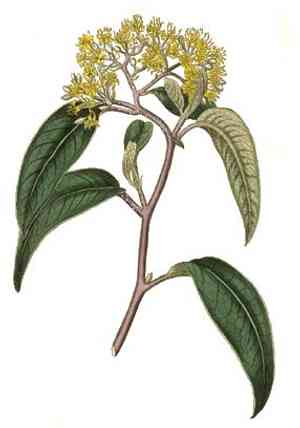
Buckbrush, a species within the Rhamnaceae botanical group, can be reproduced via cuttings. For successful propagation, collect semi-hardwood sections during its period of vigorous growth. Verify that each section possesses multiple leaf nodes and apply a rooting stimulant to encourage root formation. Position these in a substrate that drains efficiently, under circumstances of elevated humidity and diffused illumination. Frequent spraying aids in maintaining dampness without oversaturation. Perseverance is crucial, as root systems might require time to form prior to relocation.
Optimal Time for Buckbrush Propagation
Propagation Method
Cutting
Propagation Period
Spring,Summer
Tools for Buckbrush Propagation
Sharp Pruning Shears
Essential for obtaining healthy buckbrush cuttings, sharp pruning shears enable precise, clean stem cuts, minimizing damage and disease risk. Ensuring blades are sharp and disinfected is crucial for successful propagation.
Rooting Hormone
Rooting hormone aids in root formation from cuttings, boosting the likelihood of successful establishment. Applying this substance to the fresh cut base of buckbrush stimulates root growth and improves cutting survival rates.
Sterile Potting Mix
A sterile potting mix offers a clean, nutrient-rich medium for buckbrush cuttings to thrive. It lowers the chance of soil-borne diseases and provides necessary support and aeration for developing roots.
Humidity Dome or Plastic Bags
A humidity dome or clear plastic bag creates a micro-environment that maintains high humidity around buckbrush cuttings. This is vital to prevent cuttings from drying out before rooting, thereby increasing successful propagation.
Heat Mat
A heat mat helps maintain an ideal temperature for buckbrush root development. Warmth is critical during the rooting phase, and a heat mat ensures the root zone stays consistently warm, promoting faster, healthier root growth.
How to Propagate Buckbrush?
Propagation Type
Moderately Difficult
Caring for Newly Propagated Buckbrush
Caring for Newly Propagated Buckbrush
Once roots are established, gradually acclimate buckbrush to normal conditions by removing the plastic cover and reducing watering frequency. When new growth appears, transplant into individual pots or a suitable garden spot. Water buckbrush deeply to encourage strong root development, but allow soil to dry slightly between waterings. Prune for shape and bushiness as needed. Apply a slow-release, balanced fertilizer in early spring for healthy growth. Protect from severe frosts; buckbrush is drought-tolerant but sensitive to extreme cold.
Common Mistakes in Buckbrush Propagation
Overwatering
Excessive watering can cause root rot, as buckbrush prefers well-drained soils and is drought-tolerant once mature.
Deep Planting
Planting cuttings too deep can impede root development and reduce oxygen availability, hindering buckbrush growth.
Neglecting Hygiene
Using unsterilized tools or containers can introduce pathogens, negatively impacting the health of buckbrush cuttings and seeds.
Ignoring Root Space
Propagating buckbrush in overly small containers can restrict root growth, leading to poor plant development and propagation failure.
Excessive Fertilization
Buckbrush is adapted to low-fertility soils; too much fertilizer can result in weak growth and decrease the plant's hardiness.
Tips For Propagating Buckbrush
Proper Cutting Technique
Utilize sharp, clean tools to take semi-hardwood cuttings for buckbrush, ensuring rapid healing and reduced infection risk.
Appropriate Soil Mix
Provide a well-draining soil mix, ideally with sand or perlite, to support healthy root development of buckbrush.
Adequate Spacing
When sowing buckbrush seeds or placing cuttings, allow sufficient space to facilitate airflow and light penetration, reducing disease risk.
Humidity Control
Maintain high humidity around cuttings using a plastic covering, but ensure proper ventilation to prevent fungal growth.
Rooting Hormone Use
Applying a rooting hormone to buckbrush cuttings can enhance the success rate by stimulating root formation and growth.



