How to Prune Buckbrush?
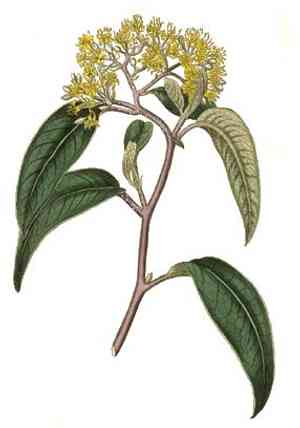
Originating from North America, buckbrush is distinguished by its thick leaves and vivid blue blossoms. Trim buckbrush right after it flowers to sculpt and manage its dimensions, eliminating any dead or intersecting branches to encourage air movement. The ideal period is from late spring to early summer, subsequent to its blooming phase. Trimming stimulates fresh development, which improves the floral display in the subsequent year. Refrain from severe pruning, as this can cause stress to buckbrush. Thoughtful cuts result in a more robust plant and a greater abundance of flowers.
What Are the Benefits of Pruning Buckbrush?
What Are the Benefits of Pruning Buckbrush?
Trimming buckbrush promotes abundant blooms and strengthens its resistance to pests and illnesses, leading to a healthier, more robust shrub.
What Is the Best Time for Pruning Buckbrush?
What Is the Best Time for Pruning Buckbrush?
The optimal periods for buckbrush pruning are late spring and early summer. These times are ideal because buckbrush typically finishes its blooming cycle by late spring. Pruning after flowering allows gardeners to shape the plant and manage its growth without sacrificing the current season's blossoms. Furthermore, pruning during this timeframe encourages vigorous new growth that will mature throughout the summer and fall, preparing the plant for the subsequent flowering season. Avoiding pruning in late fall or winter is crucial as it can stimulate new growth susceptible to frost damage. Pruning in late spring to early summer also offers the chance to remove any frost-damaged limbs from the colder months, ensuring buckbrush's overall health and vitality.
What Tools Do I Need to Prune Buckbrush?
Hand Pruners
Perfect for cutting stems and small branches up to 3/4 inches thick, enabling precise cuts that ensure clean healing and less stress on buckbrush.
Loppers
Designed to handle thicker branches, typically between 3/4 inches and 1 1/2 inches in diameter. They offer greater leverage for clean cuts without harming buckbrush's structure.
Pruning Saw
For branches exceeding 1 1/2 inches, a pruning saw is essential as it can effectively cut through dense wood, crucial for shaping and controlling buckbrush's size.
Hedge Shears
Useful for trimming and shaping buckbrush's foliage when a more formal or dense appearance is desired. Not suitable for larger branches.
How to Prune Buckbrush
Cleaning Tools
Before beginning the pruning process, sanitize all pruning tools to prevent disease transmission and ensure clean cuts on buckbrush.
Diseased And Dead Removal
Carefully remove any diseased leaves and branches, as well as dead branches, from buckbrush. This helps prevent disease spread and promotes healthy development.
Withered Removal
Snip off withered leaves and spent flowers from buckbrush to improve its appearance and redirect the plant's energy towards new growth.
Excess Growth Control
Identify and selectively trim branches contributing to excessive growth to maintain buckbrush's desired form and size and to enhance air circulation within the plant.
Shaping
Finally, shape buckbrush by selectively cutting back overgrown branches to improve the plant's overall visual structure, ensuring cuts are made at a 45-degree angle just above a leaf node or bud.
Common Pruning Mistakes with Buckbrush
Over-Pruning
Gardeners might accidentally remove too much growth, which can stress buckbrush and diminish its vigor. Removing more than one-third of the plant at once can impede growth rather than encourage it.
Improper Cuts
Making cuts too close to the main stem or leaving large stubs can lead to diseases and pests. It's vital to make clean cuts that facilitate healing.
Incorrect Tool Use
Using dull, dirty, or unsuitable tools can cause unnecessary damage to buckbrush's branches and stems, making it more vulnerable to disease.
Pruning For Size Control
Regularly reducing buckbrush's size with severe pruning can result in a weakened structure and poor flowering. It's better to select a plant size that naturally fits the space.
Common Pruning Tips for Buckbrush
Selective Thinning
Perform selective thinning of buckbrush by removing entire branches at their origin point to maintain its natural shape and improve air circulation.
Rejuvenation Pruning
For older buckbrush plants, gradually rejuvenate them over several seasons by cutting a few of the oldest branches down to the ground, which encourages new growth from the base.
Deadheading
Remove spent flowers of buckbrush immediately after blooming to encourage a second bloom and to keep the plant looking tidy without stimulating excessive new growth.
Health Maintenance
Regularly remove dead, diseased, or damaged stems from buckbrush to promote the plant's overall health and prevent the spread of disease.



