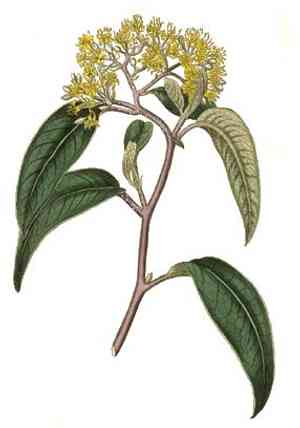
Buckbrush (Ceanothus cuneatus)
Also known as: Blue Brush, Cuneate ceanothus
Buckbrush (Ceanothus spp.) is an evergreen shrub known for its dense growth and fragrant white blooms. The plant produces fruit that contains three seeds, which disperse when the fruit bursts open. For successful germination, buckbrush seeds typically require exposure to fire, which helps break the hard seed coat and triggers the germination process.
In This Article
Attributes of Buckbrush
Lifespan
Perennial
Plant Type
Shrub
Plant Height
15 cm to 4 m
Spread
2.5 m
Leaf Color
Green Bronze
Flower Size
2.5 cm
Flower Color
White Pink Blue
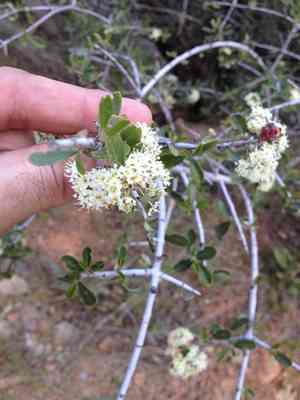
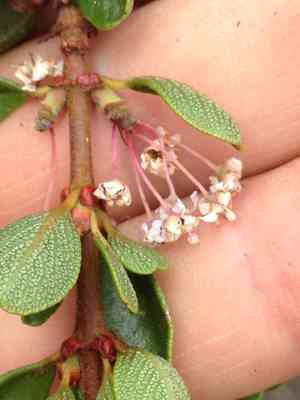
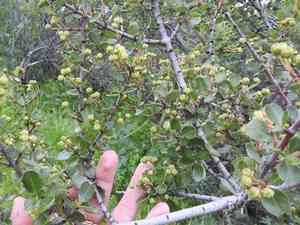
Images of Buckbrush
Quickly Identify Buckbrush
1
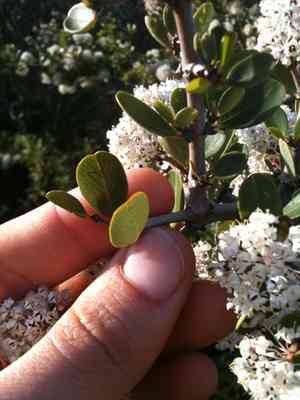
Ceanothus cuneatus can be identified by its wedge-shaped leaves, dense and rounded shrub form, and small white to lavender-colored flowers that grow in clusters. The leaves are stiff and leathery, with finely serrated edges.
Scientific Classification of Buckbrush
Phylum
Vascular plants
Class
Dicotyledons
Order
Rosales
Family
Buckthorn
Genus
Redroots
Species
Buckbrush
Planting and Growing of Buckbrush
Care Difficulty
Easy
Watering Schedule
Every 2 days
Sunlight Requirements
Full sun
Sunshine Duration
4-8 hours
Ideal Temperature
60-75℉
Soil Type
Potting Mix, Peat Mix
Soil pH
6.5-7.5
Fertilizer Type
Balanced
Pruning Season
Spring, Summer
Pruning Area
Branches, Leaves
Pruning Frequency
2 times a year
Repotting Season
Spring
Pot Type
Terracotta, Plastic
 How to Water Buckbrush?
Ceanothus cuneatus, also known as Buckbrush, thrives in dry, well-drained soils. When watering, aim for a quantity of roughly 500 ml. Ensure the soil is completely soaked but not waterlogged. This simulates the rare rainfall in its native arid habitats and supports healthy growth.
What are the symptoms of an underwatered Buckbrush?
›
What should I do if my Buckbrush is not getting enough water?
›
What are the symptoms of an overwatered Buckbrush?
›
How to save an overwatered Buckbrush?
›
 What Are the Sunlight Requirements for Buckbrush?
Full sunlight, specifically six to eight hours daily, encourages strong blooming and robust growth. Adequate sunlight ensures that photosynthesis occurs optimally, leading to a healthier, more vibrant plant.
More About Sunlight Requirements Techniques→
Optimal sunlight duration
›
Solutions to achieve ideal light
›
Benefits of ideal light exposure
›
 What Is the Ideal Temperature Range for Buckbrush?
Ceanothus cuneatus thrives best in temperatures ranging from 60°F to 75°F. This allows the plant to grow optimally, as it provides a moderate and consistent climate that supports metabolic functions and overall health.
 What Soil is Best for Buckbrush?
Ceanothus cuneatus thrives in well-drained soils, which prevent root rot and ensure optimal water and nutrient uptake. This preference helps the plant avoid waterlogging, supporting its sturdy growth and development. Although resilient, Ceanothus cuneatus greatly benefits from a nutrient-rich soil. This environment allows for robust leaf and flower production, promoting the plant's overall vitality and attractiveness. While preferring well-drained conditions, Ceanothus cuneatus needs soil that retains enough moisture to sustain its needs during dry spells. Balancing water retention ensures healthy growth without the risk of dehydration.
 How to Fertilize Buckbrush?
Ceanothus cuneatus, commonly known as buckbrush, requires careful fertilization to thrive. Typically, a small amount of balanced 10-10-10 fertilizer is sufficient. For liquid fertilizer, use approximately 1 teaspoon per gallon of water. For solid slow-release fertilizers, a quarter-cup per plant annually is adequate. Over-fertilizing should be avoided to prevent root damage.
 How to Prune Buckbrush?
Begin by removing any dead, damaged, or diseased branches. Trim back branches that cross or overcrowd to improve air circulation. Shape the plant by cutting it back to a pair of leaves or a lateral branch for a tidier appearance. To promote bushier growth, pinch out or lightly trim the tips of the branches. This helps in stimulating new shoots that will contribute to a denser foliage arrangement.
More About Pruning Techniques→
 How to Propagate Buckbrush plant?
1
Harvest seeds from mature Ceanothus cuneatus plants. Ensure seeds are fully developed and dry. Store them in a cool, dry place until ready for planting.
2
Select healthy, non-flowering stems. Cut a 4-6 inch segment from the parent plant, preferably in early morning. Remove lower leaves to prevent decay.
3
Sow seeds in a well-draining seed mix, covering lightly with soil. For cuttings, dip ends in rooting hormone and plant in moist rooting medium.
 How to Repot Buckbrush plant?
1
Ceanothus cuneatus shows signs it's time to repot when you observe roots growing through drainage holes, the soil drying out quickly, or poor growth. These indicators suggest the plant is becoming root-bound and needs more space or refreshed soil to thrive.
2
Select a pot that's only slightly larger than the current one, with excellent drainage properties. This aids in preventing root rot and ensures that the plant doesn't have excess soil, which can store unwanted moisture, promoting healthier growth.
3
Opt for a well-draining, sandy loam soil mix. This mimics the natural environment of Ceanothus cuneatus, providing adequate aeration and preventing waterlogging. Such soil ensures the roots receive the necessary oxygen while retaining limited water.



