How to Transplant New Jersey Tea?
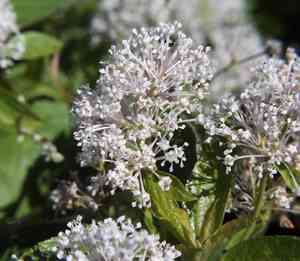
The ideal period for relocating New Jersey Tea is from late spring to early summer, capitalizing on favorable growing circumstances. Select a well-drained, sunny location for New Jersey Tea's new site, facilitating a smooth adjustment.
Essential Preparations Before Relocating New Jersey Tea
Optimal Timing for Relocating New Jersey Tea?
The prime period for moving new Jersey Tea spans from the heart of spring to the edge of summer. This timeframe offers an ideal setting for root development, thanks to the warm ground and favorable weather. Shifting new Jersey Tea at this point encourages vigorous growth as roots expand freely without the strain of intense heat or freezing conditions. Aim for mid to late spring, gently transitioning into early summer, to observe new Jersey Tea adapt smoothly to its new spot.
Recommended Spacing Between New Jersey Tea Plants?
You'll need adequate room to comfortably position your new Jersey Tea. Plan to leave approximately 3-4 feet (0.9-1.2 meters) between each specimen. This will provide your new Jersey Tea ample space to flourish and expand without becoming overcrowded.
Ideal Soil Blend for New Jersey Tea Relocation?
For its soil, your new Jersey Tea will thrive best in well-drained, loamy or sandy earth. Apply a foundational fertilizer of slow-release pellets before planting. This helps establish a strong base for your new Jersey Tea to prosper.
Where to Position Your New Jersey Tea?
Let's discuss placement. Your new Jersey Tea would greatly appreciate a location where it can enjoy full sun to partial shade. This combination will foster robust development and a thriving, healthy specimen.
Equipment Needed Before Relocating New Jersey Tea?
Gardening Gloves
To safeguard your hands when working with soil and the plant.
Garden Spade or Shovel
To carefully excavate the new Jersey Tea plant with minimal harm to its root system.
Garden Trowel
Useful for smaller, more precise tasks during the relocation process.
Gardening Fork or Root Pruning Knife
Used to untangle roots if the plant is pot-bound.
Watering Can or Hose
To hydrate the plant before and after its move.
Wheelbarrow or Bucket
For moving the plant from its original spot to the new one.
How to Extract New Jersey Tea from its Current Location?
How to Extract New Jersey Tea from its Current Location?
From Ground: First, thoroughly moisten the new Jersey Tea plant. This aids in keeping the root ball intact. Second, using a garden spade, slowly dig around the plant with care to avoid damaging the root system. Once the plant is loose, gently lift it from the ground and place it in a wheelbarrow or bucket.From Pot: For moving a potted new Jersey Tea plant, water it well, then invert the pot and allow the plant to slide out using gravity. If it doesn't release easily, do not force it. Instead, tap the pot's rim on a firm surface or squeeze the sides to loosen the soil.From Seedling Tray: If the new Jersey Tea plant is a seedling, use a trowel to gently dig around the seedling to lift it out with its root system undisturbed. Be cautious not to harm the delicate roots.
Step-by-Step Guide for Relocating New Jersey Tea
Preparation
Ensure the new Jersey Tea plant is well-hydrated by watering it thoroughly several hours before the move.
Digging
Excavate a hole roughly twice the size of the plant's root ball in the new planting area.
Placement
Position the new Jersey Tea plant in the center of the hole. The top of the root ball should be level with or slightly below the soil surface.
Backfilling
Refill the hole with soil, gently pressing it around the plant's root ball to eliminate any air pockets.
Watering
After relocation, water the plant thoroughly to help it settle into its new spot, but avoid over-watering.
Post-Relocation Care for New Jersey Tea
Monitoring
Closely observe the new Jersey Tea plant, especially during its vulnerable initial days after being moved. Look for indications of transplant shock, such as wilting foliage or a lack of new growth.
Adapting
If your new Jersey Tea plant appears to be struggling in its new environment, you might need to provide additional care, such as temporarily offering some shade, or shielding it from harsh weather until it becomes more established.
Pruning
Removing some of the upper growth after relocation can help balance the new Jersey Tea plant's top and bottom, improving its chances of survival in its new location.
Addressing Common Issues with New Jersey Tea Relocation.
When is the best time to move new Jersey Tea?
The optimal season for relocating new Jersey Tea spans from late spring to early-mid autumn, referred to as S2-S4.
What should be the appropriate spacing between new Jersey Tea plants?
Remember to allow a full 3-4 feet (approximately 1-1.2 meters) between each relocated new Jersey Tea to ensure healthy development.
What kind of soil is most suitable for moving new Jersey Tea?
New Jersey Tea adapts best in well-drained soils. Good soil aids in the plant's establishment and contributes to its overall vitality.
How deep should I plant new Jersey Tea during relocation?
You should plant new Jersey Tea as deep as its root ball or the container it originated from, typically about 10 inches (25 cm) deep.
How to water new Jersey Tea after relocation?
Post-relocation, keep the soil consistently moist. Avoid waterlogging; ensure to water it slowly until the soil is damp to a depth of 3 inches (approx 7.5 cm).
How to prepare the soil before moving new Jersey Tea?
Be sure to clear the site of weeds and amend the soil with compost if necessary. The soil needs to be loose and rich for optimal outcomes.
What light conditions does new Jersey Tea require after relocation?
New Jersey Tea thrives in a location with sun to partial shade. Ensure your new spot receives 4-6 hours of sunlight for the plant's best growth.
Should I trim new Jersey Tea when relocating?
Trimming is advisable when moving new Jersey Tea to remove any dead, diseased, or damaged parts. Trim at least 1/3 of the plant for best results.
How should I handle the roots during new Jersey Tea relocation?
During relocation, handle the roots of new Jersey Tea with care. Make sure to spread the roots in the hole before covering them with soil. Avoid root-bound conditions.
What if the relocated new Jersey Tea shows signs of stress?
If your relocated new Jersey Tea exhibits stress symptoms, such as wilting or yellowing, it might need more water or shade. Adjust your care accordingly.



