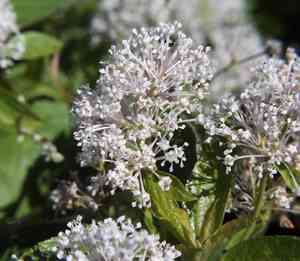
New Jersey Tea (Ceanothus americanus)
Also known as: Red Root, Wild Snowball
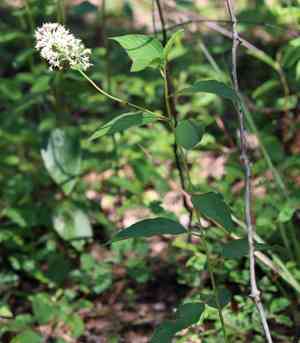
New Jersey Tea (Ceanothus americanus) is a perennial evergreen shrub that typically reaches heights between 46 and 107 cm. It features fragrant clusters of creamy white flowers that bloom in the summer. Native to Missouri, this shrub thrives in prairies, woodland edges, and open areas. It prefers full sun to partial shade and grows best in well-drained, sandy or rocky soils.
In This Article
Attributes of New Jersey Tea
Lifespan
Perennial
Plant Type
Shrub
Plant Height
61 cm to 91 cm
Spread
90 cm to 1.5 m
Leaf Color
Green
Flower Size
2.5 cm
Flower Color
White Pink
Images of New Jersey Tea
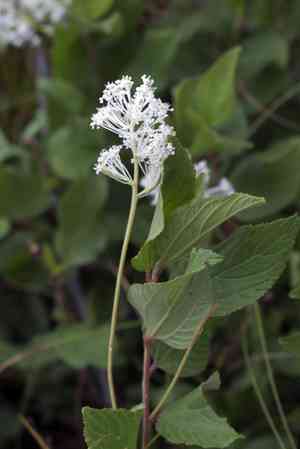
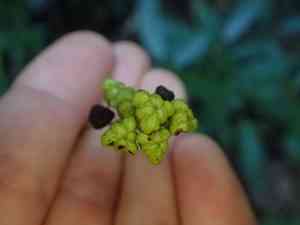
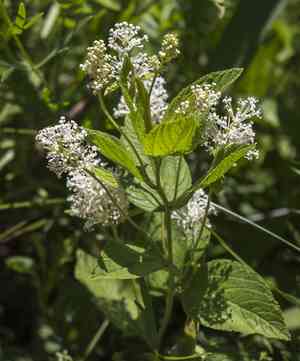
Quickly Identify New Jersey Tea
1
Creamy-white, fragrant flowers in 2-5 inch (5-12.7 cm) long panicles.
2
Distinctive 3-lobed seed capsules up to 0.5 inches (1.27 cm) in diameter.
3
Broad-ovate leaves with cordate bases, measuring 3-4 inches (7.5-10 cm) long.
4
Light green to light yellow, pubescent stem typically 1/8 to 1/4 inch (3-6 mm) in diameter.
5
Modest trunk with rich brown bark, featuring subtly indented shallow pits.
Scientific Classification of New Jersey Tea
Phylum
Vascular plants
Class
Dicotyledons
Order
Rosales
Family
Buckthorn
Genus
Redroots
Species
New Jersey Tea
Planting and Growing of New Jersey Tea
Care Difficulty
Easy
Watering Schedule
Every 2 days
Sunlight Requirements
Full sun
Sunshine Duration
6-8 hours
Ideal Temperature
60-75℉
Soil Type
Potting Mix, Peat Mix
Soil pH
5.5-7
Fertilizer Type
Balanced
Pruning Season
Spring, Summer
Pruning Area
Branches, Leaves
Pruning Frequency
2 times a year
Repotting Season
Spring
Pot Type
Plastic, Ceramic
 How to Water New Jersey Tea?
Ceanothus americanus, commonly known as New Jersey Tea, requires approximately 500 ml of water per session. The watering principle is to ensure the soil remains evenly moist without over-saturating the roots. Watering should be deep enough to reach the root zone, promoting a healthy root system for better nutrient absorption.
What are the symptoms of an underwatered New Jersey Tea?
›
What should I do if my New Jersey Tea is not getting enough water?
›
What are the symptoms of an overwatered New Jersey Tea?
›
How to save an overwatered New Jersey Tea?
›
 What Are the Sunlight Requirements for New Jersey Tea?
Ceanothus americanus ideally grows in full sun to partial shade environments. Adequate light promotes photosynthesis, nutrient absorption, and stronger flower production, enhancing its ornamental appeal and overall health.
More About Sunlight Requirements Techniques→
Optimal Light Level
›
Solution for Ideal Lighting
›
Benefits of Ideal Light
›
 What Is the Ideal Temperature Range for New Jersey Tea?
Ceanothus americanus thrives best in moderate temperatures. The ideal range is between 60°F and 75°F, where growth is vigorous and the plant remains stress-free. Maintaining this temperature range is crucial to ensure the plant's healthy development, as extreme temperatures could hinder its growth considerably.
 What Soil is Best for New Jersey Tea?
Ceanothus americanus thrives in well-drained soil, which prevents waterlogging and root rot. This type of soil allows roots to access oxygen efficiently, ensuring healthy growth and avoiding common issues related to poor drainage. This plant prefers soil with moderate fertility. Too rich in nutrients might lead to excessive foliage growth at the expense of flowers. Balanced fertility ensures a good structure for blooms, enhancing the plant's ornamental value. The ideal soil pH for Ceanothus americanus is between 5.5 and 7.0, allowing optimal nutrient uptake. This pH range helps the plant access essential minerals efficiently, supporting robust growth and vibrant blossoms.
 How to Fertilize New Jersey Tea?
Ceanothus americanus benefits from a balanced yet moderate fertilization approach. Use a diluted liquid fertilizer, such as a 10-10-10 NPK, applied at a quarter strength to avoid root burn. For slow-release fertilizers, opt for a balanced formulation applied sparingly around the drip line to ensure even nutrient distribution.
 How to Prune New Jersey Tea?
Begin by removing any dead, damaged, or diseased branches. 2. Cut back any branches that are growing inward or crossing over others to open up the plant and improve light penetration and airflow. 3. Trim the plant to maintain its desired shape, cutting just above a leaf node. 4. Remove up to one-third of the plant's growth to avoid stressing it. Pay attention to how the plant responds to pruning. If it shows signs of stress, reduce the extent or frequency of pruning. Ceanothus americanus is sensitive to over-pruning, and leaving enough foliage is crucial for photosynthesis and plant health.
More About Pruning Techniques→
 How to Propagate New Jersey Tea plant?
1
To prepare Ceanothus americanus seeds for germination, start by scarifying the seeds gently using sandpaper. This process helps to break down the hard outer coat of the seed, enhancing moisture penetration and increasing the chances of successful germination. After scarification, soak the seeds in lukewarm water overnight to further soften the outer seed coat.
2
Select healthy and semi-hardwood stems for cuttings during the early summer. Using sharp pruning shears, make a clean cut of about 4-6 inches in length. Remove the leaves from the lower half of the cutting to reduce water loss and potential for rot. Dip the cut end in rooting hormone to promote root formation.
3
Prepare small pots with a mixture of well-draining compost and perlite. Plant the lower part of the cutting in the potting mix, ensuring at least one node is buried. Water lightly and cover the pot with a plastic bag or a propagation dome to retain moisture while allowing some air circulation. Place the cuttings in a warm, bright location away from direct sunlight.
 How to Repot New Jersey Tea plant?
1
Ceanothus americanus should be repotted when you notice roots growing out of the drainage holes or when you see a significant slowdown in growth. These are signals that the plant has outgrown its current pot and requires more room to continue thriving. Ideally, repotting should be done to prevent root-bound conditions, ensuring optimal health.
2
When selecting a pot for Ceanothus americanus, opt for one that is only 1-2 inches larger in diameter than the current pot. This prevents the roots from being too wet, avoiding root rot. Terracotta pots are ideal as they provide breathability and improve soil aeration, promoting healthy root development.
3
A well-drained soil mix is crucial for Ceanothus americanus, as it mimics its natural habitat. The mix should include components like sand and perlite to enhance aeration and drainage. This prevents root rot and ensures the plant's roots have access to the oxygen they need to grow healthily.



