How Much Sunlight Do New Jersey Tea Need?
1
New Jersey Tea flourishes with a minimum of 6 hours of daily direct sun exposure.
2
While this plant can endure some shade, full sun is preferable for peak development.
3
Adequate sunlight boosts New Jersey Tea's ability to photosynthesize, bloom, and display vibrant leaf hues.
Optimal Solar Conditions for New Jersey Tea
Full Sun Exposure
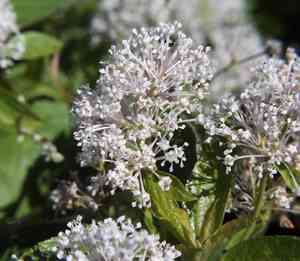
The New Jersey Tea shrub, recognized for its striking white blossoms, thrives best when exposed to full sunlight. Full sun implies the plant should receive direct solar radiation for at least six hours daily. Under these circumstances, it can efficiently photosynthesize, leading to vigorous, robust development. Selecting a south-facing position in your garden will typically supply the necessary amount of sunlight.
Partial Shade Endurance
Although New Jersey Tea prefers full sun, it possesses a moderate capacity to endure partial shade. It can manage in locations offering approximately 3-6 hours of sunlight, particularly in the morning, combined with afternoon shade. Nevertheless, be aware that excessive shade can hinder its blooming potential and overall vitality. Therefore, prioritizing sun-exposed areas will yield the most favorable outcomes.
How Does Sunlight Influence New Jersey Tea's Development?
Photosynthesis Efficiency
Sunlight is vital for the photosynthetic process in plants, and New Jersey Tea is no exception. As light strikes the leaves, the plant converts it into energy, fostering strong growth and maturation. Adequate illumination ensures the foliage is lush and green, supporting the plant's overall health and vigor.
Flowering and Bloom Periods
One of the appealing traits of New Jersey Tea is its profuse white flowers that emerge from late spring to early summer. Sufficient sunlight exposure directly impacts the plant's capacity to produce and maintain these blooms. Insufficient light can result in fewer flowers and potentially shorter blooming durations, so maintaining ample sun exposure is crucial for enjoying a complete floral display.
Leaf Health and Color
The well-being and look of New Jersey Tea leaves are also significantly affected by sunlight. Proper sun exposure keeps the leaves vibrant and free from diseases. Conversely, too little sunlight can cause the leaves to become dull or yellowish, indicating the plant's distress. Regular observation of leaf color can be a quick sign of whether the plant is receiving the correct amount of sunlight.
How to Ensure New Jersey Tea Receives Adequate Sunlight?
Site Selection
Choosing the appropriate location for planting New Jersey Tea is the initial step toward guaranteeing it receives ample sunlight. Seek out areas in your garden that are exposed to the sun for the majority of the day. Avoid spots overshadowed by taller plants or structures, as these can significantly reduce the light available to your plant. A sun-drenched location will help your New Jersey Tea flourish.
Pruning for Light Penetration
Pruning plays a crucial role in ensuring your New Jersey Tea gets the light it requires. Regularly trimming the outer foliage and any overhanging branches can help light penetrate more effectively. By maintaining an open structure, you'll ensure sunlight reaches all parts of the plant, promoting healthier growth and improved airflow, which lessens the likelihood of diseases.
Monitoring and Adjusting Light Exposure
Continuously monitor the light conditions in your garden to confirm your New Jersey Tea is receiving sufficient sunlight. As seasons change, you might need to reposition your plant or trim nearby growth to sustain optimal light levels. Use a sunlight meter if necessary to measure the amount of light reaching your plants, and make adjustments accordingly to keep them in prime condition.
Common Sunlight Challenges for New Jersey Tea
Indicators of Insufficient Light
If your New Jersey Tea is not getting enough sunlight, it will typically communicate this through its appearance. Look for signs such as elongated or spindly growth, fewer flowers, or leaves that are pale or yellowing. These clues suggest the plant is struggling to absorb enough light, prompting you to reassess its current placement and exposure.
Symptoms of Excessive Light
While sunlight is essential, too much can be harmful. Signs that your New Jersey Tea might be experiencing excessive light include scorched or brown edges on the leaves and an overall withered appearance. In extremely hot climates, providing some afternoon shade can help shield the plant from sunburn and undue stress.
Corrective Actions for Sunlight Problems
Addressing sunlight issues for New Jersey Tea involves implementing strategic modifications. For inadequate light, consider moving the plant to a sunnier spot or pruning any overshadowing vegetation. If your plant is receiving too much sun, offering some temporary shade during the hottest part of the day can be beneficial. Regularly observing your plant and modifying its conditions will ensure balanced sunlight exposure.



