How to Propagate New Jersey Tea?
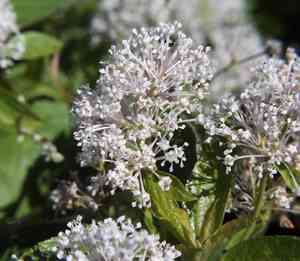
New Jersey Tea flourishes when reproduced via cuttings. To achieve successful propagation, choose robust, semi-lignified segments. Cuttings ought to be harvested from strong shoots that have recently finished their growth cycle. Verify that each cutting possesses multiple nodes. Submerging the base in rooting compound can boost root formation. Insert the cuttings into a porous soil blend, maintaining dampness and exposure to diffused light until roots take hold. This technique guarantees a greater rate of success and maintains the genetic integrity of new Jersey Tea.
Optimal Time for New Jersey Tea Propagation
Propagation Method
Cutting
Propagation Period
Spring,Summer
Tools Required for New Jersey Tea Propagation
Sharp Pruning Shears
Crucial for making clean, precise cuts when taking stem cuttings from new Jersey Tea. Sharp blades ensure smooth cutting surfaces, minimizing tissue damage and reducing disease risk. Proper cutting enhances rooting success.
Rooting Hormone
This chemical compound encourages root development from the cut ends of new Jersey Tea stem cuttings. Applying it to the base of cuttings before planting significantly boosts the likelihood of successful root formation, improving overall propagation rates.
Sterile Potting Mix
A clean, controlled environment for new Jersey Tea cuttings to root. This medium is free of pathogens and weeds, lowering disease and competition risks, thus fostering healthier and quicker root growth.
Propagation Tray
Used for planting and organizing multiple new Jersey Tea cuttings efficiently. These trays help maintain consistent moisture and temperature, vital for rooting. They should have drainage holes to prevent waterlogging, which can hinder root formation.
Humidity Dome
Placing a humidity dome over the propagation tray helps maintain high humidity around new Jersey Tea cuttings. This environment mimics the moist conditions needed for root growth and prevents cuttings from drying out before roots establish.
Heating Mat
A heating mat placed under the propagation tray ensures a consistent, ideal soil temperature, boosting new Jersey Tea's rooting success. Warmth particularly aids faster root growth and improves overall propagation efficiency, especially in cooler conditions.
Propagating New Jersey Tea
Propagation Difficulty
Moderately Difficult
Caring for Your Newly Propagated New Jersey Tea
Caring for Your Newly Propagated New Jersey Tea
Once new Jersey Tea cuttings have rooted, typically after a few weeks, gradually introduce them to drier conditions by removing the plastic cover for longer periods daily. After full root development, transplant them into larger pots or directly into the garden in a location with full sun to partial shade. New Jersey Tea prefers well-drained soil and moderate watering, decreasing as the plant matures. Avoid overwatering, as new Jersey Tea dislikes soggy conditions. Mulching helps retain soil moisture and suppress weeds. Regular pruning maintains a compact, bushy shape and encourages more blooms.
Common Propagation Errors for New Jersey Tea
Overwatering during propagation
Excess moisture can cause root rot or fungal diseases in new Jersey Tea. This plant prefers well-drained soil, especially during early propagation, and too much water can impede root development and overall health.
Using overly fertile soil for seed starting
New Jersey Tea naturally thrives in less fertile soil; a rich mix can promote excessive foliage growth at the expense of strong root development. This can make plants less resilient and more prone to stress.
Planting cuttings too deep
Inserting cuttings too deeply into the propagation medium can lead to stem rot before rooting occurs. Cuttings only need to be placed shallowly, with a few nodes buried, to successfully initiate roots.
New Jersey Tea Propagation Tips
Utilize sharp, clean tools
Making clean cuts with sanitized tools prevents disease transmission and promotes healthier cutting surfaces, which aids better root initiation on new Jersey Tea.
Provide bright, indirect light
While new Jersey Tea enjoys light, direct sunlight can be too intense during the vulnerable propagation stage. Bright, indirect light will prevent scorching and ensure optimal growth conditions.
Closely monitor moisture levels
Maintaining a balance where the soil is moist but not waterlogged is crucial. Use a well-draining medium and check moisture levels regularly to support healthy root development without risking water-related issues.
Choose the appropriate cutting type
Semi-hardwood cuttings, typically taken in late summer, are most effective for propagating new Jersey Tea. This type of cutting tends to root better and more consistently compared to softwood or hardwood cuttings for this species.



