How to Prune New Jersey Tea?
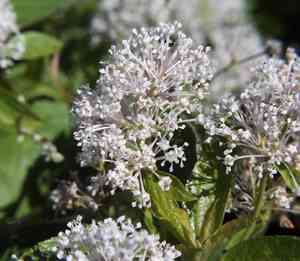
Celebrated for its thick, verdant leaves and groupings of white flowers, New Jersey Tea flourishes with infrequent trimming. During the colder months, remove any lifeless or intersecting limbs to preserve an airy, robust structure. A yearly gentle thinning improves air movement and guides development. Extensive cutting back is seldom necessary but can revitalize aged, woody examples. Performing this every few years guarantees strong new growth and plentiful blossoms, crucial for drawing in pollinators and sustaining its compact form.
What Are the Benefits of Pruning New Jersey Tea?
What Are the Benefits of Pruning New Jersey Tea?
Trimming new Jersey Tea promotes robust development and maintains its desired form. Strategic cuts stimulate fresh, healthy shoots and help preserve a compact, appealing shape, vital for this shrub's visual charm and garden structure.
What Is the Best Time for Pruning New Jersey Tea?
What Is the Best Time for Pruning New Jersey Tea?
Trimming new Jersey Tea in late winter, just before spring growth begins, is optimal because the plant is still inactive, minimizing stress or disease risk. Also, since new Jersey Tea flowers on new growth, pruning at this time encourages vigorous spring development, leading to an abundant floral display. It's crucial to avoid pruning in late fall or early winter, which can stimulate new growth vulnerable to frost damage.
What Tools Do I Need to Prune New Jersey Tea?
Bypass Hand Pruners
These are perfect for making clean, precise cuts on new Jersey Tea's smaller stems and branches. Since new Jersey Tea typically has slender branches, the sharp blades of bypass pruners will allow for accurate snipping without crushing plant tissues.
Lopping Shears
For branches too thick for hand pruners, lopping shears will provide the necessary leverage. These are especially useful if new Jersey Tea has been unpruned for several seasons and has developed some larger, woody stems.
Pruning Saw
A pruning saw might be needed for the occasional removal of old, thick branches. New Jersey Tea may sometimes produce larger growth that requires management to rejuvenate the plant or shape it.
Handheld Hedge Shears
If shaping new Jersey Tea is desired, handheld hedge shears can be used. These are particularly effective for creating a formal shape or shearing the plant into a hedge. They should be used carefully to avoid excessive removal of healthy growth.
Gloves
While not a cutting tool, gloves are essential to protect your hands from scratches and potential skin irritants while trimming new Jersey Tea.
Pruning Sealer
After making larger cuts on new Jersey Tea, a pruning sealer can be applied to the wounds to protect them from pests and diseases, though it's not always necessary as new Jersey Tea typically heals well on its own.
How to Prune New Jersey Tea
Diagnosis
Examine new Jersey Tea closely to identify withered leaves, dead branches, and diseased branches that need removal.
Cleaning
Sanitize your pruning tools with alcohol or a bleach solution to prevent disease spread.
Removing withered leaves
Carefully remove withered leaves from new Jersey Tea by hand or with pruning shears, taking care not to damage new growth or healthy tissue.
Cutting dead branches
Use sharp pruning shears or a saw to cut dead branches from new Jersey Tea at the base, making clean cuts without leaving stubs that could lead to decay.
Eliminating diseased branches
Prune away diseased branches from new Jersey Tea by making cuts well below the affected areas; dispose of these materials away from healthy plants to prevent contamination.
Common Pruning Mistakes with New Jersey Tea
Overpruning
Removing too much of new Jersey Tea's foliage can reduce its ability to photosynthesize, weakening the plant overall.
Cutting into old wood
Since new Jersey Tea blooms on new growth, cutting into the old wood can limit the plant's flowering potential.
Pruning at the wrong angle
Incorrect pruning angles can harm new Jersey Tea's natural shape and may expose cut surfaces to disease and pest infestation.
Not sterilizing tools
Failure to sterilize pruning tools before use can introduce diseases to new Jersey Tea or spread infections from other plants.
Neglecting to remove dead material
Not clearing away dead or damaged branches can lead to fungal diseases and diminish new Jersey Tea's vigor and aesthetic appeal.
Common Pruning Tips for New Jersey Tea
Selective thinning
Thinning out crowded branches promotes better air circulation and light penetration, which is crucial for new Jersey Tea's health and bloom production.
Cutting to outward facing buds
Always prune just above a bud facing the outside of the plant to encourage outward growth and maintain new Jersey Tea's natural form.
Maintaining natural shape
Follow the natural shape of new Jersey Tea when pruning to preserve its aesthetic and avoid a manicured appearance.
Sterilizing pruning tools
Always sterilize pruning tools with a solution of bleach or alcohol before and after use to prevent disease spread.
Shaping during dormancy
Although timing information is excluded, it's important to shape new Jersey Tea when it has minimal stress to promote robust regrowth.



