How to Transplant Japanese chestnut?
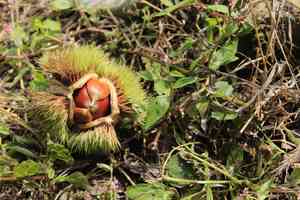
For Japanese chestnut, the prime period for relocation is during springtime, facilitating strong root development. Select sunny spots featuring soil that drains effectively. Gentle manipulation is crucial to prevent root damage, ensuring a smooth adjustment.
What Preparations are Needed Before Transplanting Japanese Chestnut?
What is the Ideal Time for Transplanting Japanese Chestnut?
The best time to move japanese chestnut is when spring's warmth arrives. This milder period encourages strong root development, helping your japanese chestnut adapt smoothly to its new spot. Choosing this timing ensures vigorous health and a quick start to acclimation, aligning its growth with natural cycles.
How Much Space Should You Leave Between Japanese Chestnut Plants?
For japanese chestnut, provide ample room for growth. Ideally, space each plant approximately 20-30 feet (6-9 meters) apart. This allows for sufficient development and prevents overcrowding. A bit of planning now will result in healthier plants later!
What is the Best Soil Mix for Japanese Chestnut Transplanting?
Before planting japanese chestnut, prepare the ground. This species thrives in well-drained, sandy or loamy soil with moderate fertility. Mix in a foundational fertilizer such as compost or aged manure. This supplies essential nutrients and enhances soil structure. Happy planting!
Where Should You Relocate Your Japanese Chestnut?
Japanese chestnut prefers a location with full sun or partial shade. Be aware that excessive shade can hinder its growth. Therefore, aim to find a spot where the plant will receive at least 4-6 hours of sunlight on most days. Your japanese chestnut will flourish beautifully!
What Equipments Should You Prepare Before Transplantation Japanese Chestnut?
Gardening Gloves
To safeguard your hands while handling soil and japanese chestnut.
Shovel or Garden Spade
Useful for excavating the plant from its original site without harming the roots.
Gardening Trowel
A smaller implement, perfect for digging in delicate areas or removing from pots.
Pot (for pot-to-ground transplants)
An appropriately sized container to accommodate japanese chestnut's root ball.
Garden Hose or Watering Can
For hydrating the plant before and after relocation.
Mulch
To maintain soil moisture and protect japanese chestnut after being moved.
Garden Pruners
For tidying japanese chestnut and trimming any damaged roots or branches.
How Do You Remove Japanese Chestnut from the Soil?
How Do You Remove Japanese Chestnut from the Soil?
From Ground: First, water the japanese chestnut plant to make the soil moist, not saturated. Then, using your spade or shovel, dig a wide trench around the plant, ensuring the root ball remains intact. Carefully lift the plant from its initial spot by working the spade beneath the root ball.From Pot: Begin by watering the japanese chestnut plant, then turn the pot on its side, gently hold the plant by its stem, and tap the bottom of the container until the plant slides out. Avoid pulling on the stems.From Seedling Tray: After watering, gently hold the japanese chestnut by its leaves (not the stem), if possible use a dibber or similar tool to push up from the bottom of the cell or pot to lift the seedling out, ensuring the root ball is not damaged.
Step-by-Step Guide for Transplanting Japanese Chestnut
Preparation
Remove any dead leaves or stems from japanese chestnut using your pruners and if necessary, lightly trim the plant's roots with sharp, clean pruners.
Digging
Excavate a hole in the garden soil deep and wide enough to fit japanese chestnut's root ball. The base of the hole should be firm to support the plant.
Placement
Carefully position japanese chestnut in the hole, ensuring the top of the root ball is level with the ground. Backfill the hole with soil, compacting it firmly around the plant.
Watering
Water japanese chestnut thoroughly after moving it. This will help the soil settle around the roots.
Mulching
Apply a layer of mulch around the base of japanese chestnut, but not touching the stem, to help retain moisture and prevent weeds.
How Do You Care For Japanese Chestnut After Transplanting?
Monitoring
Observe japanese chestnut closely for the first few weeks after transplantation. Watch for common signs of transplant shock, such as yellowing leaves or wilting, providing extra care if needed.
Protection
If your local climate is harsh, shield the newly transplanted japanese chestnut from severe weather by providing temporary cover.
Pruning
Prune the japanese chestnut in late winter or early spring to encourage healthy growth and help it conserve energy. Focus on dead, dying, or diseased branches.
Disease Control
Regularly inspect for pests and diseases. If signs are observed, it's crucial to accurately identify them and treat with appropriate organic or chemical controls.
Troubleshooting Common Issues with Japanese Chestnut Transplantation.
What's the ideal time of the year to transplant japanese chestnut?
The best period to transplant japanese chestnut is typically early spring or late fall, during its dormant phases. Avoid relocating it in mid-summer.
How much space needs to be kept between two japanese chestnut while transplanting?
For optimal development, maintain a distance of 20-30 feet (6-9 meters) between each japanese chestnut. This provides room for growth and air circulation.
Is it necessary to water japanese chestnut right after transplanting?
Yes, thoroughly watering japanese chestnut immediately after transplanting helps the soil settle and reduces transplant shock. However, avoid overwatering, as it can lead to rot.
Should I prune japanese chestnut after transplanting?
No extensive pruning is required. Only remove broken or damaged branches. Excessive pruning can stress japanese chestnut right after the transplanting process.
How deep a hole should I dig for transplanting japanese chestnut?
The hole should be twice as wide as, and just as deep as, the root ball. This is approximately 10 inches (25 cm) for a young japanese chestnut.
Can I fertilize japanese chestnut just after I transplant it?
Refrain from fertilizing immediately after transplanting. Wait a few weeks until japanese chestnut begins to establish itself in its new location.
Can japanese chestnut be transplanted in a container?
Yes, japanese chestnut can be moved into a container. Ensure the container is sufficiently large for root growth, ideally 20 inches (50 cm) in diameter.
What kind of soil does japanese chestnut need for transplantation?
Japanese chestnut prefers well-drained soil with a slightly acidic pH. Incorporate generous amounts of organic matter to enhance the soil structure.
What is the right procedure to remove japanese chestnut from a nursery container?
Gently remove japanese chestnut by tilting the container sideways and lightly tapping it. Avoid pulling the plant directly to prevent root damage.
What should I do if japanese chestnut shows signs of transplant shock?
If japanese chestnut exhibits wilting or yellowing leaves, it may be experiencing transplant shock. Apply a root stimulator, keep the soil consistently moist, and avoid immediate fertilization.



