Enhancing Your Garden Design with the Japanese chestnut Plant: A Landscaping Guide
1
The Japanese chestnut is recognized for its minimal care needs and ability to thrive in various environmental conditions.
2
Beyond its visual charm, the Japanese chestnut contributes to local fauna and ecological diversity.
3
Cultivating Japanese chestnut trees can boost your property's worth by improving its visual appeal.
Introducing Japanese Chestnut for Landscape Design
Understanding the fundamental characteristics of Japanese chestnut
Japanese chestnut is a deciduous tree that flourishes in diverse climates, making it a versatile addition to any outdoor space. Renowned for its robust nature, it can grow in various soil types, including sandy and clay. It typically reaches a height of 30 to 50 feet and spreads equally wide, offering ample shade.
Why Japanese chestnut is a favored option for horticulturists and landscape architects
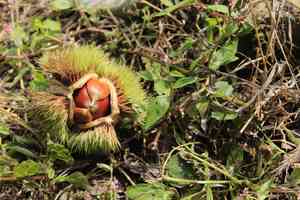
Horticulturists and landscape architects prefer Japanese chestnut for its resilience and visual appeal. Its beautiful foliage changes colors with the seasons, providing a dynamic display throughout the year. Additionally, the tree yields edible chestnuts, adding both aesthetic and practical worth to your garden.
Key Benefits of Incorporating Japanese Chestnut into Your Garden
Low maintenance and adaptability to diverse climates
One of the primary reasons Japanese chestnut is a gardener's favorite is its minimal upkeep requirements. It needs infrequent watering once established and is robust enough to endure various weather conditions. Whether you're in a temperate or more challenging climate zone, Japanese chestnut can adjust with relative ease.
Ecological advantages: attracting wildlife and fostering biodiversity
Japanese chestnut plays a crucial role in supporting local ecosystems. Its blossoms attract pollinators like bees and butterflies, while its chestnuts serve as a food source for various animals. Planting Japanese chestnut helps to create a more biodiverse environment in your garden, benefiting wildlife while enriching your own gardening experience.
Aesthetic charm and seasonal color transformations
Japanese chestnut offers stunning visual appeal throughout the year. In spring, its fresh green leaves emerge, turning a vibrant green in summer. Come autumn, the foliage transforms into a striking blend of yellow, orange, and red, offering a scenic panorama. Even in winter, its intricate branch structure provides visual interest against the seasonal backdrop.
Design Concepts and Placement for Japanese Chestnut
Optimal locations for planting Japanese chestnut in your yard
When choosing a site for Japanese chestnut, consider placing it where it can provide maximum shade, such as near patios or driveways. Its broad canopy can offer relief during hot summer days, making these areas more comfortable for outdoor activities. Ensure the planting site has good drainage to prevent waterlogging around the roots.
Pairing Japanese chestnut with other plants: Complementary flora examples
To enhance the beauty of Japanese chestnut in your garden, consider pairing it with understory plants like ferns or hostas, which thrive in the shade. Shrubs like azaleas and rhododendrons can add color depth when planted nearby. Ground covers such as ivy or pachysandra can also complement the tree, creating a lush, layered look.
Utilizing Japanese chestnut in confined spaces and urban environments
Even if you have a small yard or reside in an urban area, Japanese chestnut can be a suitable choice. Opt for dwarf varieties or consider espaliering the tree against a wall to conserve space. These techniques allow you to enjoy all the advantages of Japanese chestnut without compromising on the area needed for other garden elements.
Ongoing Care Recommendations for Japanese Chestnut
Seasonal care advice: What to do in spring, summer, autumn, and winter
Spring: Prune any dead or weak branches and apply a balanced fertilizer. Summer: Water regularly during dry periods to keep the soil moist but not waterlogged. Autumn: Collect fallen leaves for composting and provide a deep root watering before the first frost. Winter: Mulch around the base to protect the roots from extreme cold and monitor for any pest activity.
Common challenges and straightforward solutions for cultivating Japanese chestnut
Pests like the chestnut gall wasp can be deterred by introducing natural predators or using insecticidal soap. Overwatering can cause root rot, so ensure good drainage. If you notice leaf spots or rust, a fungicidal spray can help manage these issues effectively.
How Japanese Chestnut Adds Enduring Value to Your Property
Enhancing property appeal and market worth
A well-landscaped garden featuring Japanese chestnut can significantly boost your property's curb appeal. Potential buyers often view mature trees as valuable assets, enhancing the overall marketability and value of your home.
Contributing to energy savings by providing natural shade
The ample shade provided by Japanese chestnut's broad canopy can reduce your home's cooling costs during the summer. By strategically planting it near windows or outdoor living areas, you can enjoy cooler indoor temperatures without over-relying on air conditioning, leading to long-term energy savings.



