How to Propagate Japanese chestnut?
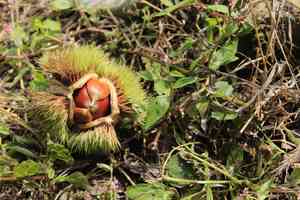
Originating from Japan, the Japanese chestnut is a deciduous tree prized for its palatable nuts and aesthetic appeal. When propagating this species via cuttings, successful outcomes depend on choosing robust, semi-lignified sections during the tree's period of vigorous growth. These cuttings require treatment with a rooting stimulant prior to insertion into a substrate that drains effectively yet retains moisture, with a warm, damp setting being crucial for root formation. Regular observation and nurturing are essential as the young plants become established.
What Is the Best Time To Propagate Japanese Chestnut?
Propagation Type
Cutting
Propagation Season
Autumn,Winter
What Tools Are Used in Japanese Chestnut Propagation?
Sharp Pruning Shears
These are vital for making clean, precise cuts on japanese chestnut branches intended for propagation. A clean cut helps prevent disease and promotes quicker healing and root formation. Sharp shears also minimize harm to the parent plant, preserving its health during propagation.
Rooting Hormone Powder or Gel
This product boosts root development in japanese chestnut cuttings, significantly improving propagation success. Rooting hormones encourage root growth at the cut site, ensuring cuttings establish faster and more effectively, which is key for japanese chestnut, a species that can otherwise be slow to root.
Sterilization Equipment (e.g., Alcohol, Bleach Solution)
Used for sanitizing pruning shears and any other tools that contact japanese chestnut cuttings. Sterilization prevents disease and pest transmission from the parent plant to cuttings or between cuttings, crucial for maintaining japanese chestnut health during propagation.
Propagation Trays
These trays are used to organize and manage japanese chestnut cuttings as they root. They should offer good drainage and be large enough to accommodate the cuttings' size and potential root growth, supporting efficient space management and easy handling during the rooting process.
Misting System or Spray Bottle
This tool helps maintain optimal humidity around japanese chestnut cuttings, essential for preventing dehydration while they lack established roots. Proper humidity supports the survival and development of the cuttings, promoting successful propagation.
Growth Medium
A well-draining, sterile growing medium, such as a mix of peat and perlite, provides the ideal environment for japanese chestnut cuttings to root. It supports adequate moisture retention while allowing excess water to drain away, thus preventing root rot and fostering healthy root growth.
How to Propagate Japanese Chestnut?
Propagation Type
Moderately Difficult
How to Care for Your Newly Propagated Japanese Chestnut?
How to Care for Your Newly Propagated Japanese Chestnut?
After japanese chestnut cuttings have successfully rooted, gradually acclimate them to outdoor conditions by removing the plastic cover over about a week. Transplant the rooted cuttings into individual pots with a suitable soil mix, including loamy soil, organic matter, and aged compost, matching japanese chestnut's natural soil preferences. Provide partial to full sun exposure and water regularly to keep the soil moist, avoiding saturation. Implement a balanced fertilization plan as the plant matures. Regular pruning will maintain plant health and shape, and support the development of strong structural branches.
Common Mistakes to Avoid When Propagating Japanese Chestnut
Ignoring soil needs
Using unsuitable soil types for japanese chestnut can hinder root development. Japanese chestnut requires well-draining, acidic soil for optimal growth.
Overwatering
Saturated soil can lead to root rot in japanese chestnut. It's vital to maintain proper moisture levels without waterlogging.
Improper Cutting Technique
Taking cuttings incorrectly or from unhealthy branches can impede successful propagation of japanese chestnut.
Neglecting Disease Control
Failing to monitor and manage diseases such as chestnut blight could devastate japanese chestnut propagation efforts.
Planting Depth Mistakes
Planting seeds or seedlings either too deep or too shallow can affect germination and root establishment for japanese chestnut.
Tips For Propagating Japanese Chestnut
Use Fresh Seeds
For seed propagation of japanese chestnut, ensure the use of fresh seeds to increase the viability rate.
Stratification
Cold stratify seeds of japanese chestnut to break dormancy and simulate natural conditions that encourage germination.
Cutting Selection
Select healthy, disease-free branches for cuttings to promote successful rooting and growth of japanese chestnut.
Hygiene Measures
Maintain cleanliness in tools and environment to reduce the risk of disease transmission during propagation of japanese chestnut.
Rooting Hormones
Using rooting hormones can help improve the success rate of cuttings for japanese chestnut.
Proper Seed Depth
Sow seeds at the correct depth to ensure adequate temperature and moisture necessary for germination of japanese chestnut.



