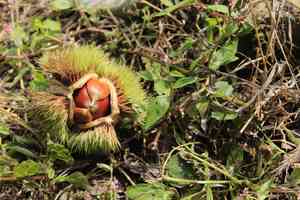
Japanese chestnut (Castanea crenata)
Also known as: Korean Chestnut, Japanese Chestnut
The Japanese chestnut (Castanea crenata) is a medium-sized tree known for its resistance to diseases like chestnut blight and ink disease, making it valuable in plant-disease resistance studies. This tree is native to the foothills of Japan and Korea and produces nuts that are popular as a sweet treat.
In This Article
Attributes of Japanese chestnut
Lifespan
Perennial
Plant Type
Tree
Plant Height
9 m to 12 m
Spread
9 m to 12 m
Leaf Color
Green
Flower Size
7 cm to 20 cm
Flower Color
White Yellow Green
Images of Japanese chestnut
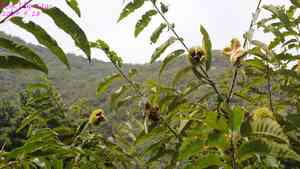
Quickly Identify Japanese chestnut
1
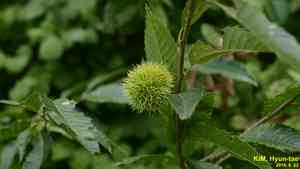
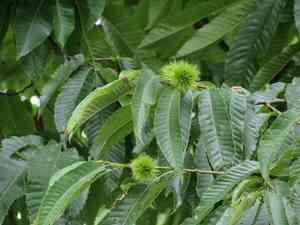
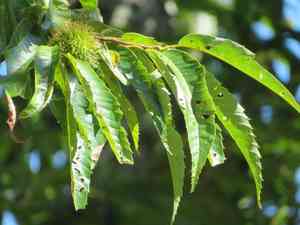
To identify Castanea crenata, look for its distinctive sharp-toothed leaves and the spiny cupules that protect the nuts. The tree has a robust trunk and a broad, rounded crown.
Scientific Classification of Japanese chestnut
Phylum
Vascular plants
Class
Dicotyledons
Order
Fagales
Family
Beech
Genus
Chestnuts
Species
Japanese chestnut
Planting and Growing of Japanese chestnut
Care Difficulty
Easy
Watering Schedule
Every 2 days
Sunlight Requirements
Full sun
Sunshine Duration
6-10 hours
Ideal Temperature
60-75℉
Soil Type
Potting Mix, Peat Mix
Soil pH
5.5-6.5
Fertilizer Type
Balanced
Pruning Season
Spring, Summer
Pruning Area
Branches, Leaves
Pruning Frequency
2 times a year
Repotting Season
Spring
Pot Type
Plastic, Ceramic
 How to Water Japanese chestnut?
When watering Castanea crenata, it's essential to ensure that the soil is thoroughly soaked, which typically means about 500ml per session. This volume allows water to penetrate deeply, reaching the root system, but avoiding waterlogging. Always ensure excess water is draining properly to prevent root rot.
What are the symptoms of an underwatered Japanese chestnut?
›
What should I do if my Japanese chestnut is not getting enough water?
›
What are the symptoms of an overwatered Japanese chestnut?
›
How to save an overwatered Japanese chestnut?
›
 What Are the Sunlight Requirements for Japanese chestnut?
Castanea crenata prefers full sun to partial sun conditions. With the right balance of light, the plant benefits from vibrant leaf growth and increased nut yields, ensuring better health and productivity.
More About Sunlight Requirements Techniques→
What is the best lighting solution?
›
How can I achieve the best lighting for my plant?
›
What are the benefits of ideal lighting?
›
 What Is the Ideal Temperature Range for Japanese chestnut?
For optimal growth, Castanea crenata thrives in temperatures ranging from 60-75°F. Such conditions provide the ideal environment for photosynthesis and metabolic processes, ensuring robust growth and prolific nut production. Consistency within this range minimizes stress and maximizes overall plant health.
 What Soil is Best for Japanese chestnut?
Castanea crenata thrives in soil that is rich in organic matter, providing a fertile environment for its growth. The nutrients in the soil are crucial for healthy leaf, flower, and fruit development, ensuring robust and healthy plant life. The plant requires well-drained soil to prevent root rot and other waterlogging issues. Efficient drainage in sandy loam or loamy soil ensures that excess water does not stagnate, reducing the risk of fungal diseases and promoting healthy root systems. It prefers slightly acidic soil with a pH between 5.5 and 6.5. This acidic environment facilitates the availability of essential nutrients such as iron and manganese, which are vital for its growth and prevent stunted development.
 How to Fertilize Japanese chestnut?
Castanea crenata, or the Japanese chestnut, requires moderate fertilization. Apply liquid fertilizer at a rate of 1-2 tablespoons per gallon of water. For solid fertilizers, use 2-3 pounds per 100 square feet, ensuring even distribution.
 How to Prune Japanese chestnut?
Use clean, sharp pruning shears for cutting small branches and loppers for thicker branches. Ensure that all tools are sterilized to prevent the spread of disease. Inspect the tree carefully to identify branches that are dead, diseased, or crossing. These should be removed to improve the overall health and structure of the tree. Make cuts at a 45-degree angle just above a node or bud to encourage healthy new growth. Always cut slightly above branches or shoots that are outward-facing to promote a pleasing shape.
More About Pruning Techniques→
 How to Propagate Japanese chestnut plant?
1
Select healthy seeds, preferably from ripe chestnuts. Soak them in water for 24 hours to soften the shell and improve germination prospects, discarding any that float.
2
For grafting, select a vigorous rootstock and a scion from a mature plant. Make a clean cut, ideally a ‘whip and tongue’ on both scion and rootstock for better contact and wrap firmly with grafting tape.
3
Identify lower branches that can be easily bent to the ground. Wound the branch slightly and bury a section in soil while leaving the tip exposed. Secure it with a pin and water regularly.
 How to Repot Japanese chestnut plant?
1
Repotting Castanea crenata is essential when you notice roots emerging through the drainage holes or the soil no longer retains moisture. The best time is during early spring or early autumn when the plant is not actively undergoing major growth spurts.
2
Select a pot that is about 2 inches wider than the current one to allow room for growth. This ensures the plant has sufficient space for root expansion while avoiding excessive soil which can retain too much moisture.
3
Opt for well-draining, acidic soil mixed with organic matter, promoting healthy root growth. Such soil prevents waterlogging and provides essential nutrients, vital for the plant's vigorous growth and development.



