How to Transplant Sheathed sedge?
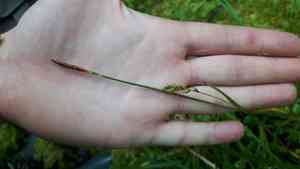
Sheathed sedge flourishes when relocated between early and mid-summer, as this timeframe facilitates ideal rooting. Select a location with shade or partial sun exposure and damp, adequately draining soil for superior outcomes. Provide regular watering to guarantee robust root formation.
What Preparations are Needed Before Transplanting Sheathed Sedge?
What is the Ideal Time for Transplanting Sheathed Sedge?
Relocate sheathed sedge during the height of summer, from its beginning to its middle. This period capitalizes on favorable soil temperatures that promote root establishment. It also coincides with the plantâs active growth phase, boosting its overall resilience and adaptability. Moving sheathed sedge within this timeframe maximizes its survival rate and guarantees vigorous, enduring growth.
How Much Space Should You Leave Between Sheathed Sedge Plants?
When relocating sheathed sedge, ensure a spacing of 12-18 inches (30-45 cm) between plants. This provides them with ample room to expand and spread out comfortably.
What is the Best Soil Mix for Sheathed Sedge Transplanting?
For sheathed sedge, prepare a soil mixture that drains well and is enriched with organic compost. Aim for a pH level that is neutral to slightly acidic. Incorporating a balanced base fertilizer will support healthy development.
Where Should You Relocate Your Sheathed Sedge?
Sheathed sedge flourishes in conditions ranging from partial to full shade. Select a spot in your garden where the plant will receive filtered sunlight or light shade throughout the day.
What Equipments Should You Prepare Before Transplantation Sheathed Sedge?
Gardening Gloves
To safeguard your hands while handling soil and plants.
Shovel or Spade
For excavating and extracting the plant from its initial spot.
Wheelbarrow
To move the plant from its original location to the new site.
Trowel
For digging small holes and shifting earth.
Bucket
For transporting water to the new planting area.
Watering Can
To thoroughly hydrate the plant after its relocation.
Mulch
To aid in retaining soil moisture and safeguarding the roots.
How Do You Remove Sheathed Sedge from the Soil?
How Do You Remove Sheathed Sedge from the Soil?
From Ground: First, moisten the sheathed sedge plant to dampen the soil. Next, dig a wide trench around the plant using a shovel or spade, ensuring the plant's root ball remains intact. Carefully work the spade beneath the root ball to lift the plant from its original position.From Pot: Incline the pot on its side, gently tapping the bottom and sides to loosen the soil. Carefully slide the sheathed sedge plant out, holding it by the root ball. If the plant is stuck, you can use a trowel to gently loosen the edges.From Seedling Tray: Gently loosen the soil around the sheathed sedge seedlings using a small implement. Lift the seedlings by grasping the leaves rather than the stem to prevent damage. Carefully separate the seedlings if they are clustered, ensuring each retains a portion of the root ball.
Step-by-Step Guide for Transplanting Sheathed Sedge
Site Preparation
Clear the new planting area of weeds, debris, and other vegetation. Dig a hole that is twice as wide and slightly deeper than the sheathed sedge plant's root ball.
Soil Preparation
Ensure the soil drains effectively. Incorporate some compost into the soil to supply nutrients and enhance its structure.
Plant Placement
Position the sheathed sedge plant into the hole, making sure the top of the root ball is level with the surrounding ground. Adjust the depth if necessary.
Backfilling
Gently refill the hole with soil, lightly compacting it around the root ball to eliminate air pockets. Be careful not to bury the stem.
Watering
Water the plant thoroughly and regularly to help settle the soil and initiate root establishment.
Applying Mulch
Spread a layer of mulch around the plant's base to retain moisture and regulate soil temperature, keeping it a few inches away from the stem to prevent rot.
How Do You Care For Sheathed Sedge After Transplanting?
Watering
Keep the soil around the sheathed sedge plant consistently moist, but not waterlogged, for the initial weeks following transplanting to aid in developing strong roots.
Mulching
Reapply mulch if it thins out or decomposes, maintaining a protective layer to conserve moisture and suppress weeds.
Monitoring
Observe the sheathed sedge plant for indications of stress, such as wilting or yellowing foliage, and adjust care as needed.
Pruning
Remove any damaged or dead leaves to encourage healthy growth and reduce stress on the plant.
Troubleshooting Common Issues with Sheathed Sedge Transplantation.
When is the best time to transplant sheathed sedge?
The optimal period to relocate sheathed sedge is from early to mid-summer for peak growth.
How much space should I leave between each sheathed sedge transplant?
Ensure a 12-18 inch (30-45 cm) gap between each sheathed sedge transplant for proper development.
What type of soil is best for transplanting sheathed sedge?
Utilize well-draining, organic-rich soil with a pH from slightly acidic to neutral for optimal outcomes.
How do I prepare sheathed sedge for transplanting?
Thoroughly water sheathed sedge the day prior and gently loosen its roots before relocation.
What is the proper depth for planting sheathed sedge?
Plant sheathed sedge at the same depth it was previously growing to prevent root stress.
How should I water sheathed sedge after transplanting?
Water sheathed sedge deeply immediately after transplanting, then maintain consistent moisture without overwatering.
What climate conditions are ideal for transplanting sheathed sedge?
Choose a mild, overcast day to minimize transplant shock and help sheathed sedge acclimate better.
Should I fertilize sheathed sedge after transplanting?
Wait 2-3 weeks post-transplant before fertilizing to allow sheathed sedge to establish its roots.
How do I mitigate transplant shock in sheathed sedge?
Keep sheathed sedge well-hydrated, avoid disturbing roots, and use a diluted stress-reducing solution if necessary.
Can I plant sheathed sedge directly in full sun?
Sheathed sedge prefers partial shade; if needed, gradually introduce it to full sun over several days.



