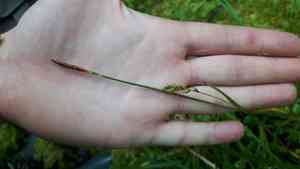
Sheathed sedge (Carex vaginata)
Also known as: Sheathed Sedge
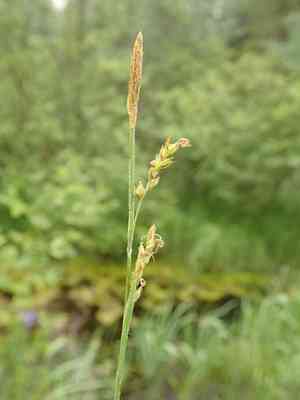
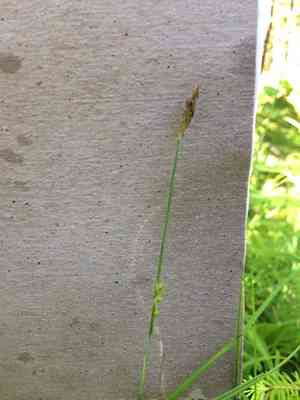
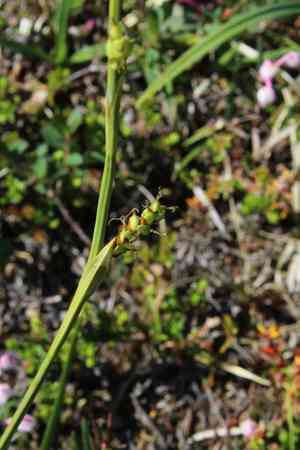
The plant gets its name from the sheathing bract found at the base of the stem just below the inflorescence. The inflorescence typically features a terminal spike and at least one lateral spike. The plant propagates through seeds, rhizomes, stolons, and stem base buds.
In This Article
Attributes of Sheathed sedge
Lifespan
Perennial
Plant Type
Grass
Plant Height
20 cm to 61 cm
Spread
10-20 cm
Leaf Color
Green
Flower Size
0.2-0.5 cm
Flower Color
White Yellow Green Brown
Images of Sheathed sedge
Quickly Identify Sheathed sedge
1
Carex vaginata can be identified by its sheathed leaves and stems, the latter of which are triangular in cross-section. The plant produces small, inconspicuous flowers in dense spikes.
Scientific Classification of Sheathed sedge
Phylum
Vascular plants
Class
Monocotyledons
Order
Poales
Family
Sedge
Genus
True sedges
Species
Sheathed sedge
Planting and Growing of Sheathed sedge
Care Difficulty
Easy
Watering Schedule
Every day
Sunlight Requirements
Partial sun
Sunshine Duration
6-10 hours
Ideal Temperature
50-77℉
Soil Type
Potting Mix, Peat Mix
Soil pH
5.5-7.5
Fertilizer Type
Balanced
Pruning Season
Spring, Summer
Pruning Area
Branches, Leaves
Pruning Frequency
2 times a year
Repotting Season
Spring
Pot Type
Plastic, Ceramic
 How to Water Sheathed sedge?
Carex vaginata appreciates well-balanced moisture. Aim to provide about 200 ml of water until the soil is damp but not soggy. This helps ensure the roots can absorb necessary moisture without risk of waterlogging.
What are the symptoms of an underwatered Sheathed sedge?
›
What should I do if my Sheathed sedge is not getting enough water?
›
What are the symptoms of an overwatered Sheathed sedge?
›
How to save an overwatered Sheathed sedge?
›
 What Are the Sunlight Requirements for Sheathed sedge?
Carex vaginata prefers partial sun to full shade, ideally positioned where it receives morning sunlight but is shielded from direct afternoon exposure. This light range promotes healthy leaf color and growth, enhancing its decorative appeal.
What is the best light condition for Carex vaginata?
›
How can you help Carex vaginata achieve ideal lighting?
›
What are the benefits of Carex vaginata getting ideal lighting?
›
 What Is the Ideal Temperature Range for Sheathed sedge?
Carex vaginata thrives best within a temperature range of 50°F to 77°F. This range supports optimal growth and metabolic functions. Maintaining these temperatures ensures healthy foliage and robust root development, allowing the plant to efficiently photosynthesize and absorb nutrients.
 What Soil is Best for Sheathed sedge?
Carex vaginata thrives in soil that efficiently retains moisture, as it supports the plant's growth in its native riparian habitats. This feature can prevent the plant from drying out during dry spells, ensuring its lush growth. While the soil should hold moisture, it must also be well-draining to avoid waterlogging. This balance ensures that the roots of Carex vaginata receive adequate oxygen, preventing root rot and other waterlogged-soil ailments. A soil rich in organic matter provides essential nutrients for Carex vaginata. This assists in robust growth and vibrant coloration, reflecting the plant's adaptability to nutrient-abundant environments.
 How to Fertilize Sheathed sedge?
For Carex vaginata, it's crucial to provide a balanced nutrient mix. A general recommendation is to use a 10-10-10 (N-P-K) liquid fertilizer at half-strength, providing approximately 1 liter per square meter. Adjustments may be needed based on soil tests or visual cues from the plant.
 How to Prune Sheathed sedge?
Begin by identifying any brown, yellow, or shriveled leaves. Use your shears to cut them back to the base of the plant. This encourages new, healthy growth and keeps the plant looking fresh. Trim the edges lightly to maintain the plant's natural shape. Avoid over-pruning as this can stress the plant. Aim to enhance its natural form with gentle shaping. After pruning, clean your tools with a solution of water and bleach to disinfect them. This practice helps prevent the spread of any potential diseases to other plants.
More About Pruning Techniques→
 How to Propagate Sheathed sedge plant?
1
Prepare loose, well-drained soil for seed propagation, incorporating organic matter. This ensures adequate nutrients and aeration for seed germination.
2
Scatter seeds on the soil surface, pressing lightly to ensure contact. Cover with a thin layer of soil to keep them in place and facilitate germination.
3
Carefully dig around mature plants in early autumn or spring. Divide the clumps using a garden fork, keeping roots intact to ensure successful replanting.
 How to Repot Sheathed sedge plant?
1
The best signals for repotting Carex vaginata are when you notice root-bound growth, visible roots through drainage holes, or a decline in overall plant vigor. If the plant seems to struggle despite regular care, it's time to consider new spaces for growth to refresh its environment.
2
Choose a pot that provides good drainage and is slightly larger than the current one. This ensures extra room for root development without causing waterlogging. A well-draining pot prevents roots from sitting in water, reducing the risk of root rot and ensuring healthy growth.
3
Opt for a soil rich in organic matter that retains adequate moisture but still allows for drainage. This type of soil supports the sedge's natural habitat conditions, providing sustained nutrients and a balanced moisture level, crucial for the plant's vigorous and healthy development.



