The Sheathed sedge Plant Advantage: Maximizing Home and Office Appeal and Wellness
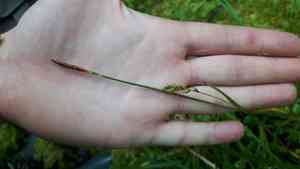
1
This flora offers vital living space for diverse animal populations.
2
It is instrumental in maintaining soil integrity and preventing erosion.
3
It is suitable for ornamental purposes due to its beauty and resilience.
Why is Sheathed sedge Important for the Ecosystem?
Support for Wildlife
Sheathed sedge offers a home and resources for diverse animal species. By providing sustenance and refuge, it fosters biodiversity, which is crucial for a balanced ecosystem. Birds, insects, and other small creatures frequently depend on this plant as part of their habitat, making it a vital element of various wildlife communities.
Soil Stabilization and Erosion Control
The deep root systems of Sheathed sedge are crucial for soil stability. By anchoring the soil, this plant helps prevent soil erosion, which can have severe environmental consequences. It keeps soil in place even during heavy rains and floods, safeguarding landscapes and waterways from damaging runoff.
How Can Sheathed sedge Benefit Your Garden or Landscape?
Aesthetic Value
Sheathed sedge is not only environmentally beneficial but also offers ornamental appeal. Its graceful, arching foliage and subtle colors add natural beauty to gardens and landscapes. This plant can be a striking feature in rock gardens, borders, and as a ground cover.
Low Maintenance
A significant advantage of Sheathed sedge is its hardiness and minimal care requirements. It thrives in various soil types and conditions, making it an excellent choice for gardeners who prefer plants that don't need constant attention. Once established, it requires little watering and upkeep, making it a sustainable option for eco-friendly gardening.
What Role Does Sheathed sedge Play in Wetland Restoration?
Water Filtration
Sheathed sedge is frequently utilized in wetland restoration projects due to its capacity to filter and purify water. Its roots can trap sediments and absorb pollutants, enhancing water quality and contributing to the health of aquatic ecosystems.
Habitat Creation
Wetlands are vital habitats for many species, and Sheathed sedge plays a key role in creating and maintaining these environments. By providing structure and stability to the soil, it helps establish and preserve wetlands, which are essential for biodiversity and environmental health.
Can Sheathed sedge Be Used in Erosion-Control Projects?
Erosion-Resistant Properties
Due to its robust root system, Sheathed sedge is highly effective in erosion-control projects. It can be planted along banks, slopes, and other areas prone to erosion to prevent soil displacement. Its ability to hold soil together under stress makes it a valuable tool in managing erosion.
Combining with Other Plants
In erosion-control projects, Sheathed sedge is often used in conjunction with other native plants to create a more resilient and diverse vegetative cover. This strategy enhances the effectiveness of erosion control by ensuring that various layers of vegetation work together to protect the soil.



