How to Prune Sheathed sedge?
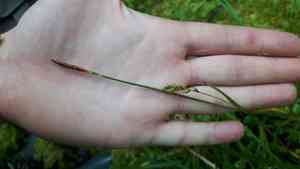
The unique, sheath-enclosed bases and clustered development of sheathed sedge give it a prominent look. Trim sheathed sedge in the early part of spring prior to the emergence of new shoots, or during winter after it enters dormancy. Eliminate any deceased or excessively grown leaves to foster robust development and preserve a neat look. Trimming during these periods aids in revitalizing sheathed sedge and stimulates more compact growth, thereby enhancing its general well-being and visual attractiveness. Refrain from pruning during active growth phases to avert imposing strain on the plant.
What Are the Benefits of Pruning Sheathed Sedge?
What Are the Benefits of Pruning Sheathed Sedge?
Trimming sheathed sedge encourages robust development by removing crowded or dead stems, which enhances air circulation and sun exposure. Regular shaping of sheathed sedge helps maintain its desired form and size in garden settings, boosting its visual appeal.
What Is the Best Time for Pruning Sheathed Sedge?
What Is the Best Time for Pruning Sheathed Sedge?
Pruning or trimming sheathed sedge in early spring is optimal, as this occurs just before the growth season begins, ensuring the plant recovers quickly and grows healthily. Additionally, early spring pruning helps eliminate winter damage and prepares sheathed sedge for new growth. Winter is also a suitable time for pruning sheathed sedge, as the plant is dormant. This timing reduces stress on sheathed sedge, allowing it to emerge stronger and healthier with the arrival of the growth season. Trimming in these seasons helps maintain the structural integrity and aesthetic form of sheathed sedge, while also stimulating healthier, more vigorous growth.
What Tools Do I Need to Prune Sheathed Sedge?
Hand Pruners
Hand pruners are perfect for snipping off dead or overgrown foliage from sheathed sedge. They provide precision and control, which is vital for maintaining the plant's shape and health without harming its delicate stems.
Grass Shears
Grass shears are effective for trimming and shaping the dense, grass-like foliage of sheathed sedge. Their design allows for detailed work close to the ground, which is necessary for the low-growing nature of sheathed sedge.
Garden Scissors
Garden scissors can be used for finer cutting and thinning of sheathed sedge's leaves. They are suitable for smaller, more delicate tasks where precision is essential to avoid harming nearby plant tissues.
How to Prune Sheathed Sedge
Clean tools
Sanitize your pruning shears before beginning. Clean the blades with rubbing alcohol or a bleach solution to prevent the spread of diseases among plants, especially when targeting diseased parts of sheathed sedge.
Identify
Examine sheathed sedge closely to pinpoint diseased and withered leaves. Diseased leaves may show discoloration or deformities, while withered leaves are typically dry and brown.
Cut diseased
Carefully prune the diseased leaves first. Use the sanitized shears to cut each leaf at its base where it connects to the stem or at the next healthy node, ensuring not to damage healthy tissue.
Cut withered
Proceed to remove withered leaves using the same method. Cutting these back to the point of healthy growth will promote better air circulation and light penetration, crucial for the health of sheathed sedge.
Dispose
Properly dispose of all removed material. Do not compost diseased or withered leaves as this can spread pathogens or pests. Instead, discard them away from your garden to ensure the health of other plants.
Common Pruning Mistakes with Sheathed Sedge
Over-pruning
Removing too much foliage from sheathed sedge can stress the plant, potentially leading to poor growth or increased susceptibility to disease.
Cutting too low
Cutting sheathed sedge too close to the ground can harm its base and disrupt the root system, negatively impacting its overall health.
Incorrect tool use
Using dull or inappropriate tools can damage the stems of sheathed sedge, leading to ragged cuts that heal poorly and invite pests or disease.
Common Pruning Tips for Sheathed Sedge
Clean cuts
Ensure to use sharp and clean pruning shears to make precise cuts on sheathed sedge. This helps prevent damage and reduces the risk of disease.
Right amount
When pruning sheathed sedge, remove only the parts that are overgrown or dead. Aim to enhance the natural shape of the plant rather than over-modifying it.
Careful timing
Avoid pruning sheathed sedge when it is wet, as this can spread diseases. Prune during dry conditions to minimize the risk of infection.



