How to Transplant Cattail sedge?
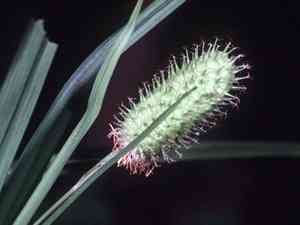
Cattail sedge flourishes when relocated between mid-spring and early summer, benefiting from moderate climatic conditions. Place it in an area receiving abundant solar exposure and damp earth. Guarantee negligible root disruption for successful integration.
Necessary Preparations Before Moving Cattail Sedge?
When is the Best Time to Relocate Cattail Sedge?
The prime window for relocating cattail sedge, a perennial, spans from mid-spring through early summer. Moving it during this period ensures the soil is warming, which promotes root growth before summer's heat. This timing reduces plant stress, encouraging vigorous development and establishment.
What Spacing is Recommended Between Cattail Sedge Plants?
When preparing to move cattail sedge, ensure a spacing of 12-18 inches (30-45 cm) between plants. This provides ample room for each plant to develop and flourish without overcrowding.
What is the Optimal Soil Blend for Cattail Sedge Relocation?
For optimal outcomes, transplant cattail sedge into damp, well-draining soil. You can enhance the soil by incorporating organic compost or a balanced base fertilizer prior to planting.
Where Should You Replant Your Cattail Sedge?
Position cattail sedge in an area receiving full to partial sun exposure. This translates to approximately 4-6 hours of direct sunlight daily, which aids in their strong and healthy development.
What Tools Should You Prepare Before Relocating Cattail Sedge?
Gardening Gloves
To safeguard your hands while handling soil and the plant.
Shovel or Spade
For excavating around the plant and preparing the new planting site.
Trowel
For minor adjustments and precise digging tasks.
Pruning Shears
To trim any damaged or lifeless roots and foliage.
Watering Can or Hose
For hydrating the plant before and after its relocation.
Bucket or Container
For moving the plant if necessary.
Mulch
To aid in retaining soil moisture post-transplantation.
How Do You Extract Cattail Sedge from the Ground?
How Do You Extract Cattail Sedge from the Ground?
From Ground: First, hydrate the cattail sedge to moisten the soil. Next, excavate a wide trench around the plant using a shovel or spade, ensuring the plant's root ball remains intact. Carefully maneuver the spade beneath the root ball to lift the plant from its original spot.From Pot: Water the cattail sedge to facilitate easier soil manipulation. Gently turn the pot on its side and tap the base to dislodge the plant. Carefully slide the plant out, supporting the root ball.From Seedling Tray: Water the seedlings to make the soil more pliable. Use a trowel to gently lift each seedling from the tray, being careful not to harm the roots.
Step-by-Step Guide for Relocating Cattail Sedge
Plant Extraction
Follow the appropriate method for removing the cattail sedge from its initial location as previously outlined.
Prepare Site
Dig a hole at the new spot that is twice the width of the cattail sedge's root ball and of equal depth. Loosen the soil at the base to encourage easier root establishment.
Placement
Position the plant in the hole, ensuring the top of the root ball is level with the surrounding ground. Backfill the hole with soil, gently pressing it around the roots to eliminate air pockets.
Hydration
Thoroughly water the plant after relocation to help the soil settle and provide initial moisture for the roots.
Ground Cover
Apply a layer of mulch around the plant's base, keeping it a few inches from the stem to prevent rot. This will help maintain soil moisture and inhibit weed growth.
How Do You Care For Cattail Sedge After Relocation?
Watering
Keep the soil around the cattail sedge consistently damp, but not waterlogged, for the initial weeks post-relocation to aid in developing strong roots.
Observation
Regularly inspect the plant for indications of transplant shock such as wilting, yellowing foliage, or stunted growth. Provide additional care as necessary.
Trimming
If any leaves or stems are damaged during the move, prune them to allow the plant to direct its energy towards new growth.
Nourishment
Once the cattail sedge exhibits signs of new growth, consider applying a balanced, slow-release fertilizer to promote healthy development.
Addressing Common Issues with Cattail Sedge Relocation.
When is the best time to move cattail sedge?
The ideal period is mid-spring to early summer for proper root development.
How should I space cattail sedge plants?
Space your cattail sedge plants 12-18 inches (30-45 cm) apart for optimal growth and air circulation.
What soil type is best for cattail sedge?
Cattail sedge thrives in moist, well-drained soil rich in organic matter for robust growth.
How deep should I plant cattail sedge?
Plant cattail sedge at the same depth it was in its original spot to minimize stress.
How often should I water cattail sedge after relocating?
Water cattail sedge thoroughly after moving and maintain consistent moisture for the first few weeks.
Should I fertilize cattail sedge after relocating?
Wait a few weeks before fertilizing cattail sedge to allow it to adjust to its new environment.
What should I do if cattail sedge leaves turn yellow?
Ensure adequate watering and consider adding a balanced fertilizer to address potential nutrient deficiencies.
Can I move cattail sedge in the fall?
It's best to move cattail sedge mid-spring to early summer for optimal root development.
What if cattail sedge doesn't flower after relocating?
Allow cattail sedge time to establish. Ensure it receives sufficient light and nutrients for future blooms.
How can I reduce transplant shock for cattail sedge?
Keep the roots moist, handle gently, and water well to help cattail sedge adapt to its new home.



