How to Propagate Cattail sedge?
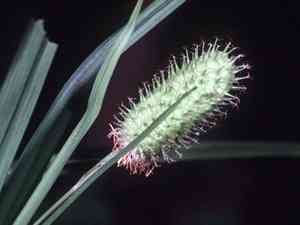
Cattail sedge flourishes most effectively when multiplied by dividing its rootstock. Cultivators ought to gently split established clusters, making sure every new section possesses a robust root structure. Immediately replant in damp, adequately draining earth to encourage peak development. Consistent irrigation and exposure to partial to complete shade will assist in the successful rooting of young plants. This technique facilitates faster integration into the environment compared to cultivating from seeds.
Optimal Time for Cattail Sedge Propagation
Propagation Method
Division
Propagation Period
Spring,Autumn
Tools for Cattail Sedge Propagation
Garden Spade
A garden spade is vital for excavating and lifting cattail sedge from the ground. Its sharp, flat blade enables precise cuts through the soil, allowing root systems to be separated without significant harm. The spade's ergonomic handle and robust construction provide ample leverage to lift clumps of cattail sedge, facilitating an efficient division process.
Pruning Shears
Pruning shears are utilized to trim and tidy the roots of cattail sedge both before and after division. Sharp, clean shears ensure that any damaged or surplus roots can be removed neatly, which aids in disease prevention and promotes healthier regrowth. The accuracy provided by high-quality shears is essential for maintaining the plant's health during propagation.
Watering Can with a Fine Rose
Following division, cattail sedge requires gentle irrigation to help settle the soil and roots, and encourage recovery from propagation stress. A watering can equipped with a fine rose attachment disperses water evenly and delicately, minimizing soil disturbance and supplying the moisture cattail sedge needs to establish in its new environment.
Garden Fork
A garden fork is employed for initially loosening the soil around cattail sedge before using a spade for division. Its tines allow for careful soil penetration and loosening without severely disrupting the root system. This tool is particularly advantageous for aerating the soil around the plant, which enhances root health and simplifies division.
How to Propagate Cattail Sedge?
Propagation Difficulty
Easy
Caring for Newly Propagated Cattail Sedge
Caring for Newly Propagated Cattail Sedge
Post-propagation, continue to care for cattail sedge by ensuring the soil remains consistently damp, as cattail sedge thrives in moist environments. While it prefers partial to full sunlight, some tolerance for shade is notable. Regularly inspect for pest activity and fungal diseases, especially in humid conditions. Seasonal application of a balanced, slow-release fertilizer can support vigorous growth and the long-term health of cattail sedge. Finally, consider winter mulching in colder regions to protect the roots.
Common Errors to Avoid When Propagating Cattail Sedge
Overwatering
Excessively watering cattail sedge can lead to root rot, a condition where the roots begin to decay, hindering the plant's ability to absorb nutrients and water. This can severely impact growth and the overall health of the plant.
Planting depth
Planting cattail sedge too deeply can cause the rhizomes (underground stems) to suffer from a lack of oxygen, stifling their growth and potentially leading to decay.
Ignoring light requirements
Placing cattail sedge in an area that is too sunny can cause the foliage to burn, while too shaded an area might lead to leggy plants and reduced vigor, impacting the overall robustness of the plants.
Tips For Propagating Cattail Sedge
Rhizome division
Divide the rhizomes of cattail sedge in early spring or late summer to encourage vigorous growth. Make sure each section has at least one growing shoot for successful re-planting.
Proper planting depth
Ensure to plant the rhizomes of cattail sedge at a shallow depth, just allowing the tops to be covered by soil. This helps in preventing the rhizomes from being planted too deep, which can adversely affect their growth.
Moisture control
Maintaining a balanced moisture level is crucial for the successful propagation of cattail sedge. Ensure the soil is consistently moist but not waterlogged to promote healthy root development.



