How to Prune Cattail sedge?
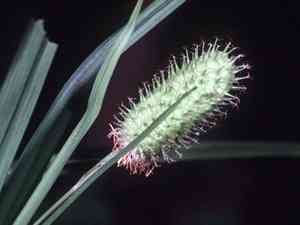
Originating from North American marshlands, cattail sedge is distinguished by its elevated, grass-like structure. Effective trimming entails reducing aged or excessive foliage in early spring or during winter to preserve the plant's vitality and visual appeal. This seasonal period aligns with cattail sedge's inactive phase, thereby reducing strain and fostering renewed growth in spring. Consistent trimming averts excessive density and stimulates robust development, which can enhance the general aesthetic and environmental equilibrium of its native environment.
What Are the Benefits of Pruning Cattail Sedge?
What Are the Benefits of Pruning Cattail Sedge?
Trimming cattail sedge promotes robust development and maintains its desired form. Strategic cutting back helps revitalize the plant, ensuring denser foliage and a structured appearance, crucial for both beauty and health.
What Is the Best Time for Pruning Cattail Sedge?
What Is the Best Time for Pruning Cattail Sedge?
Pruning cattail sedge in early spring is optimal as it prepares the plant for vigorous growth during the upcoming season, ensuring healthier leaves and structure. Winter trimming, when the plant is dormant, minimizes stress on cattail sedge and helps prevent disease spread, while also encouraging better blooms and growth in spring.
What Tools Do I Need to Prune Cattail Sedge?
Hand pruners or secateurs
These implements are perfect for making precise cuts on cattail sedge's thinner stems and leaves, fostering improved plant health and shaping.
Gardening shears
Useful for uniformly cutting back larger sections, especially beneficial during cattail sedge's dormant period to maintain its shape and stimulate growth.
Pruning saw
Effective for removing any thick, woody stems that cattail sedge might develop, ensuring clean cuts without harming the plant.
How to Prune Cattail Sedge
Identify
Locate and prepare to remove damaged or diseased parts of cattail sedge. Carefully examine the plant and pinpoint leaves showing signs of illness or that are withered and dead.
Clean
Clean and sanitize your pruning tools. Use a bleach or alcohol solution to wipe the blades. This prevents disease transmission between plants when cutting diseased or withered leaves.
Cut
Gently cut the diseased and withered leaves at their base. Ensure cuts are clean and avoid tearing, which could damage healthy parts of cattail sedge.
Dispose
Properly discard the removed leaves. Do not compost diseased material as it could spread pathogens. Seal it in a plastic bag and dispose of it with household waste or at designated biohazard disposal sites.
Inspect
After pruning, inspect cattail sedge for any remaining diseased areas and monitor over the next few days. Repeat pruning if new diseased or withered leaves appear, following the same method.
Common Pruning Mistakes with Cattail Sedge
Overpruning
Removing too much foliage from cattail sedge can significantly weaken the plant. Unlike some aggressive perennials or shrubs, cattail sedge is sensitive to heavy pruning, which may delay its growth or reduce its vigor.
Inadequate tool use
Using dull or unclean tools can damage the stems of cattail sedge, leading to jagged cuts that may invite pests and diseases. Clean, sharp pruning shears are essential to ensure clean cuts and minimize harm to the plant.
Pruning live foliage indiscriminately
Cutting back currently growing, healthy foliage can stress cattail sedge, notably reducing its ability to perform photosynthesis efficiently. It's important to selectively prune only dead or dying parts to maintain the health and aesthetics of the plant.
Common Pruning Tips for Cattail Sedge
Selective thinning
Instead of cutting back large sections indiscriminately, focus on selective thinning of cattail sedge. This approach involves removing individual stems or foliage that are dead or diseased, which encourages better air circulation and light penetration throughout the plant.
Post-plant health monitoring
After pruning, monitor cattail sedge for signs of stress or disease. Early detection can help mitigate potential threats to the plant's health. Ensuring that cattail sedge has sufficient water and nutrient support post-pruning can also aid its recovery and vigor.
Use of correct techniques
Employ proper pruning techniques, making cuts at a 45-degree angle away from the node to promote water runoff and prevent diseases. Ensure cuts are smooth and close to the nodes without harming the main stems.



