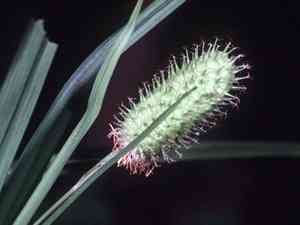
Cattail sedge (Carex typhina)
Also known as: Cattail Sedge
*Carex typhina*, known as cattail sedge, is a species of sedge indigenous to North America.
In This Article
Attributes of Cattail sedge
Lifespan
Perennial
Plant Type
Grass
Plant Height
30 cm to 91 cm
Spread
N/A (tuft-forming)
Leaf Color
Green
Flower Size
Small, spike-like structure
Flower Color
Yellow Green White Brown
Images of Cattail sedge
Quickly Identify Cattail sedge
1
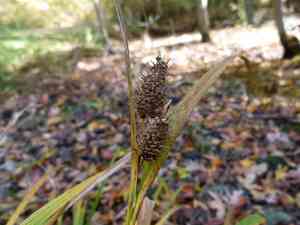
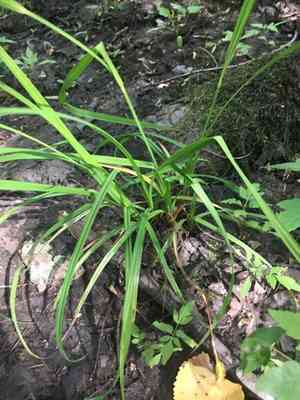
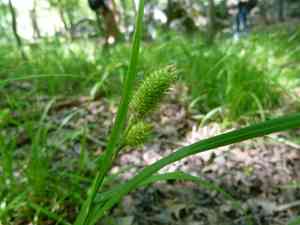
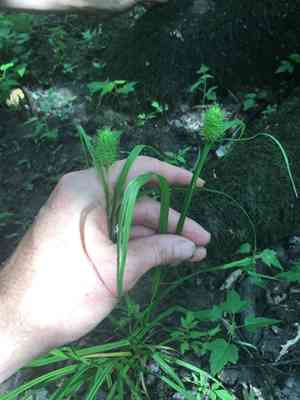
Carex typhina can be identified by its distinctive, spike-like inflorescence that resembles a cattail. The leaves are long, grass-like, and form a dense tuft that can reach up to about 2-3 feet in height.
Scientific Classification of Cattail sedge
Phylum
Vascular plants
Class
Monocotyledons
Order
Poales
Family
Sedge
Genus
True sedges
Species
Cattail sedge
Planting and Growing of Cattail sedge
Care Difficulty
Easy
Watering Schedule
Every 3 days
Sunlight Requirements
Partial sun
Sunshine Duration
4-6 hours
Ideal Temperature
68-77℉
Soil Type
Potting Mix, Peat Mix
Soil pH
5.5-7.5
Fertilizer Type
Balanced
Pruning Season
Spring, Summer
Pruning Area
Branches, Leaves
Pruning Frequency
2 times a year
Repotting Season
Spring
Pot Type
Plastic, Ceramic
 How to Water Cattail sedge?
When considering how much water to give Carex typhina, it's crucial to ensure the soil is moist but not soggy. The plant thrives well with around 200 milliliters of water per session, ensuring that it penetrates well into the root zone without waterlogging. This balance keeps the plant hydrated while preventing root rot.
What are the symptoms of an underwatered Cattail sedge?
›
What should I do if my Cattail sedge is not getting enough water?
›
What are the symptoms of an overwatered Cattail sedge?
›
How to save an overwatered Cattail sedge?
›
 What Are the Sunlight Requirements for Cattail sedge?
Partial sun to full sun exposure is ideal, providing sufficient light for robust growth. Ideal light enhances photosynthesis, supporting lush, vibrant foliage and overall plant health.
Preferred Sunlight
›
Solution for Ideal Light
›
Benefits of Ideal Lighting
›
 What Is the Ideal Temperature Range for Cattail sedge?
The ideal temperature range for Carex typhina is between 68°F and 77°F. This range allows the plant to undergo optimal physiological processes such as respiration and photosynthesis. Ensuring the temperature remains within this range can enhance plant growth and vigor, promoting healthy foliage and robust root development, which are crucial for the plant's well-being.
 What Soil is Best for Cattail sedge?
Carex typhina thrives best in well-drained soil as it prevents waterlogging which can lead to root rot. Proper drainage ensures that the roots receive ample oxygen, promoting healthy plant growth. Rich in organic matter, the soil supports Carex typhina by providing essential nutrients that enhance its vibrant foliage and overall health. Organic matter also helps with moisture retention and improves soil structure. Moist soil conditions are ideal for Carex typhina, as they help maintain consistent hydration levels necessary for its growth. However, the soil should not be waterlogged, emphasizing the need for balance.
 How to Fertilize Cattail sedge?
For Carex typhina, it is advisable to apply liquid fertilizers at a rate of half the recommended dilution provided by the manufacturer. This ensures sufficient nutrients without overwhelming the plant. Care should be taken not to over-fertilize, as this can lead to nutrient burn.
 How to Prune Cattail sedge?
Avoid pruning during extreme heat or cold, as it can stress the Carex typhina. Always wear gloves to protect your hands from sharp blades. Be mindful not to cut too deep into the crown, as it can hinder the plant’s ability to regenerate. If you are unsure, start with minimal trimming and observe the plant's response over a few weeks.
More About Pruning Techniques→
 How to Propagate Cattail sedge plant?
1
Gather seeds when they are ripe and dry. Cut the seed heads and keep them in a dry place. This helps maximize the viability and germination rate of the seeds.
2
Fill seed trays with a seed-starting mix and sow the seeds evenly on the surface. Cover lightly with soil and keep moist. Proper coverage and consistent moisture levels are key to germination success.
3
Use a garden knife to separate the clumps ensuring each section has roots and shoots. Replant immediately to avoid drying of roots. This step ensures the new plants can quickly establish themselves in new soil.
 How to Repot Cattail sedge plant?
1
Carex typhina shows signs for repotting when you notice its roots circling the pot's bottom or emerging through the drainage holes. Additionally, if the plant's growth appears stunted or it's not retaining moisture like before, these are clear signals for a change. It's best to consider repotting during its dormant phase or just as new growth begins.
2
Selecting an appropriate pot for Carex typhina involves opting for one that is just slightly larger than the current one, ideally with adequate drainage holes. A pot that is too large will hold excess moisture, which could lead to root rot. Terracotta pots are a great choice as their porous nature allows the soil to breathe, reducing the risk of overwatering.
3
Opt for a sandy, well-draining soil mix when repotting Carex typhina. This type of soil ensures water quickly drains, preventing waterlogging while still holding enough moisture for the plant’s needs. A mix containing peat and perlite can offer the balance necessary, promoting healthy root growth and aeration, essential for plant vitality.



