The Cattail sedge Plant Advantage: Maximizing Home and Office Appeal and Wellness
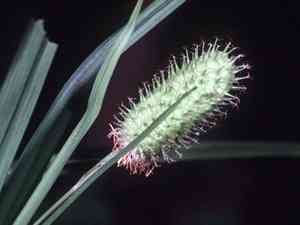
1
Cattail sedge flourishes in damp and boggy environments, ideal for aquatic gardens.
2
It is vital in stopping the degradation of soil.
3
This plant provides a home and refuge for native animals.
What Makes Cattail sedge Unique?
Adaptable Growth Conditions
Cattail sedge exhibits remarkable versatility, thriving effectively in diverse wet and marshy environments. Its root system is designed to absorb substantial amounts of water, making it crucial for areas prone to inundation or waterlogging. This renders it an ideal addition to water gardens, ponds, and riparian zones, ensuring these spaces remain aesthetically pleasing and functional.
Soil Health and Erosion Control
A primary advantage of Cattail sedge is its capacity to stabilize soil. Its extensive root network binds soil particles, reducing soil erosion. This is particularly valuable in regions susceptible to heavy rainfall and runoff. By incorporating Cattail sedge into your landscape, you not only preserve soil integrity but also enhance its fertility over time.
Ecological Contributions of Cattail sedge
Supporting Local Wildlife
Cattail sedge offers a habitat for various species, providing both shelter and sustenance. Birds, insects, and small mammals frequently depend on this plant for refuge and food. Its dense foliage and robust stems create a secure environment for nesting and foraging, thereby supporting ecosystem biodiversity.
Natural Water Filtration
Another significant ecological benefit of Cattail sedge is its inherent filtration capabilities. The plant's roots and stems capture sediments and absorb pollutants, thereby enhancing water quality. This is especially advantageous in constructed wetlands or natural pond systems where maintaining clean water is essential.
Practical Uses of Cattail sedge in Landscaping
Decorative Appeal
Beyond its functional advantages, Cattail sedge adds aesthetic value to landscapes. Its tall, slender stalks and vibrant green foliage create a striking visual impact, making it a popular choice for ornamental gardens. When planted in clusters, Cattail sedge can form an attractive natural screen or backdrop, improving the overall visual appeal of your outdoor area.
Sustainable Gardening
Integrating Cattail sedge into your garden promotes environmental sustainability. The plant demands minimal upkeep and flourishes without the need for excessive fertilizers or pesticides. Its resilient nature means it can withstand various environmental stressors, reducing the necessity for constant care and intervention. This makes Cattail sedge an eco-conscious option for gardeners aiming to lessen their environmental impact.
Community and Educational Benefits
Environmental Education
Introducing Cattail sedge in community gardens or school projects can serve as an instructional tool. It helps convey the importance of native plants and their role within local ecosystems. Through practical experience, students and community members can learn about water purification, soil conservation, and the significance of biodiversity.
Community Engagement
Planting and maintaining Cattail sedge can foster community involvement. Group activities focused on cultivating and preserving this native species can strengthen community bonds and raise awareness about ecological preservation. Such initiatives can lead to a more informed and unified community dedicated to sustainable practices.
How to Cultivate Cattail sedge in Your Garden
Ideal Growing Conditions
To successfully cultivate Cattail sedge, you should replicate its natural environment as closely as possible. It thrives best in moist soils and can tolerate periodic flooding. If planting in your garden, consider locations near ponds, streams, or water features where the soil remains consistently damp.
Maintenance Tips
One of the most appealing aspects of Cattail sedge is its low-maintenance nature. Once established, it requires minimal attention. Regular monitoring for excessive growth and occasional thinning can help manage the plant. Additionally, removing dead foliage at the end of the growing season can encourage healthier growth in the subsequent year.



