How to Transplant Prickly sedge?
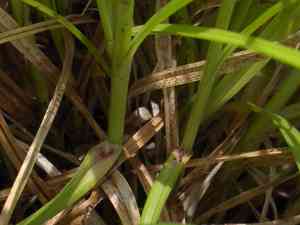
The optimal period for relocating prickly sedge extends from the onset of early spring through the threshold of flourishing summer, capitalizing on vigorous development. Select a location that replicates its native environmentâfiltered sunlight and damp earth. Careful manipulation is crucial for a successful transfer.
What Preparations are Needed Before Transplanting Prickly Sedge?
What is the Ideal Time for Transplanting Prickly Sedge?
The optimal period for moving prickly sedge is from early spring's onset until summer's approach. This timing promotes strong root development before summer's heat. Relocating prickly sedge during this window benefits from cooler, moist soil, crucial for roots to recover and expand, ensuring the plant's resilience for drier months. A friendly reminder: careful handling and proper soil preparation at this stage will help prickly sedge flourish, much like settling into a well-prepared bed!
How Much Space Should You Leave Between Prickly Sedge Plants?
Let's prepare for your prickly sedge to thrive! When relocating, aim to provide each plant with its own area, roughly 6-12 inches (15-30 cm) apart. This ensures they have ample room to spread and grow beautifully.
What is the Best Soil Mix for Prickly Sedge Transplanting?
For prickly sedge, a good start begins with the soil. Select well-draining soil and incorporate some organic compost. A balanced slow-release fertilizer will supply nutrients. Aim for a pH of 5.5 to 7.0 for optimal growth.
Where Should You Relocate Your Prickly Sedge?
Find a sunny location with some afternoon shade for your prickly sedge. They enjoy basking in light but appreciate a break from intense midday heat. A spot with morning sun and filtered afternoon light is ideal!
What Equipments Should You Prepare Before Transplantation Prickly Sedge?
Gardening Gloves
To safeguard your hands while handling soil and plants.
Spade or Shovel
For excavating the plant and preparing the new planting site.
Garden Fork
To loosen the soil around the plant's root system without causing damage.
Watering Can or Hose
To hydrate the plant before and after the relocation process.
Wheelbarrow or Plant Sled
To move the plant from one spot to another if it is large.
Pruning Shears
To trim any dead or damaged roots or foliage prior to replanting.
Mulch
To help maintain soil moisture around the newly transplanted prickly sedge.
How Do You Remove Prickly Sedge from the Soil?
How Do You Remove Prickly Sedge from the Soil?
From Ground: First, thoroughly water the prickly sedge to moisten the soil, making extraction easier. Using a spade or shovel, dig generously around the plant, being careful not to cut through roots. Gently lift the plant from the ground with the spade, preserving the root ball.From Pot: Water the prickly sedge to facilitate its removal from the container. Tip the pot sideways and gently tap the bottom to dislodge the plant. Grasp the plant at its base and carefully ease it out, ensuring the root ball remains intact.From Seedling Tray: Wait for the prickly sedge to develop a sturdy root system. Moisten the soil in the seedling tray, then use a spoon or similar tool to gently lift the plant, holding it by the leaves, not the stem.
Step-by-Step Guide for Transplanting Prickly Sedge
Prepare New Location
Dig a hole in the ground that is twice as wide and equal in depth to the prickly sedge's root ball to accommodate the roots without crowding.
Inspect the Roots
Examine the prickly sedge's root ball for any indications of disease or damage. Carefully trim away any dead or excessively long roots.
Placement Orientation
Position the prickly sedge in the center of the new hole at the same depth it was growing previously. Orient the plant in the desired direction.
Fill the Hole
Backfill the hole with soil, gently tamping down around the roots to eliminate air pockets without overly compacting the soil.
Water Thoroughly
Water the prickly sedge deeply immediately after transplanting to settle the soil around the roots and help reduce transplant shock.
Apply Mulch
Spread a layer of mulch around the base of the prickly sedge, keeping it away from the stem to conserve moisture and regulate soil temperature.
How Do You Care For Prickly Sedge After Transplanting?
Immediate Care
Monitor the prickly sedge frequently for the first few days to ensure the soil remains moist, as prickly sedge will be sensitive to drying out.
Monitoring for Shock
Be aware of transplant shock signs, such as wilting or yellowing leaves, and maintain gentle watering to aid recovery.
Gradual Adaptation
Allow the prickly sedge to gradually adjust to its new conditions by providing temporary shade if the plant shows signs of stress from direct sunlight.
Nutrient Support
Consider applying a root stimulator or a balanced, slow-release fertilizer after a few weeks to encourage healthy root and foliage development.
Long Term Observation
Observe the prickly sedge over the first season to ensure it's thriving in its new location and not exhibiting signs of disease or pest problems.
Troubleshooting Common Issues with Prickly Sedge Transplantation.
When is the best time to transplant prickly sedge?
The optimal period to transplant prickly sedge is from the onset of early spring to the warmth of late spring.
What spacing should I maintain between prickly sedge plants?
Space prickly sedge plants approximately 6-12 inches (15-30 cm) apart to ensure adequate room for growth.
Why is my prickly sedge not thriving after transplanting?
Ensure prickly sedge receives sufficient light, the soil drains well, and watering is consistent without being waterlogged.
How deep should I plant prickly sedge during transplantation?
Plant prickly sedge so its root ball is level with the soil surface, neither deeper nor shallower, to prevent stress.
Can I transplant prickly sedge during summer or fall?
Transplanting prickly sedge in the recommended early to late spring helps avoid summer heat or fall cold stress.
How do I prepare the soil before transplanting prickly sedge?
Enrich the soil with organic matter, ensure a pH of 5.5 to 7, and keep it well-drained.
How much should I water prickly sedge after transplanting?
Water prickly sedge generously after transplanting and then maintain consistent moisture, especially during dry periods.
What should I do if prickly sedge's leaves wilt post-transplant?
Wilting leaves may indicate shock. Keep the soil moist and provide shade. Prickly sedge should recover in a few days.
How can I protect prickly sedge from transplant shock?
Transplant on a cloudy day or in the evening, water thoroughly, and provide temporary shade if necessary.
Is it necessary to fertilize prickly sedge after transplanting?
Avoid fertilizing immediately after transplanting to prevent root burn. Wait until prickly sedge has established itself.



