How to Prune Prickly sedge?
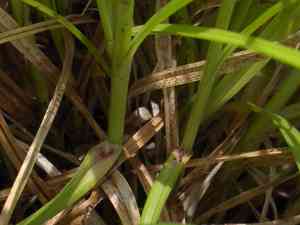
A robust, enduring grass-like plant featuring spiky flower clusters, prickly sedge flourishes in damp, adequately drained earth and receives either partial or complete sun exposure. Trim away deceased or aged leaves in the early spring or late winter period to sustain its vitality and visual appeal. This trimming practice also stimulates fresh development and enhances air movement, thereby lowering the likelihood of illness. If the excised matter is free from disease, compost it, making certain to use sharp cutting tools for a precise incision to lessen strain on prickly sedge. The timing of this activity is crucial to prevent interference with its blooming period and the dispersal of its seeds.
Advantages of Trimming Prickly Sedge
Advantages of Trimming Prickly Sedge
Trimming prickly sedge encourages robust development and preserves its intended form. This action aids in eliminating any lifeless or diseased leaves, fosters fresh, vigorous growth, and keeps prickly sedge looking neat and orderly in the landscape.
Optimal Time for Trimming Prickly Sedge
Optimal Time for Trimming Prickly Sedge
Trimming prickly sedge in early spring coincides with the pre-growth phase when the plant is emerging from dormancy but hasn't yet invested much energy in new growth. This timing allows gardeners to shape the plant and remove dead or damaged foliage without stressing it during active growth. Late winter trimming is similarly beneficial as it precedes the rapid spring growth, ensuring wounds heal quickly and the plant's energy is directed to healthy shoots, promoting strong growth in the growing season.
Tools Required for Trimming Prickly Sedge
Hand Pruners
Perfect for prickly sedge's routine upkeep, hand pruners enable precise cuts of the delicate foliage and dead leaves. Opt for bypass pruners over anvil types to ensure clean cuts without crushing the plant's tender stems.
Grass Shears
Manual grass shears can be used for shaping prickly sedge and trimming smaller areas. Their short blades offer control over the plant's grass-like structure, making them suitable for targeted trimming.
Gloves
High-quality gardening gloves will safeguard hands from prickly sedge's spiky foliage during the trimming process, ensuring a comfortable and secure experience.
Garden Scissors
Garden scissors can be employed on prickly sedge for more refined shaping and to access dense foliage clumps where accuracy is crucial.
Long-Handled Shears
For more extensive trimming or when dealing with larger clumps of prickly sedge, long-handled shears will provide the necessary reach and leverage, reducing strain on the back and arms.
How to Trim Prickly Sedge
Clean Tools
Before beginning, sanitize pruning tools using a solution of 1 part bleach to 9 parts water to prevent disease transmission to prickly sedge.
Identify Diseased
Carefully inspect prickly sedge for any indications of diseased leaves. Look for discoloration, spots, or deformities that differ from the plant's normal healthy foliage.
Remove Diseased
Using the sterilized pruning shears, gently snip off any diseased leaves at their base where they meet the stem. Ensure a clean cut to prevent damage to prickly sedge's healthy parts.
Identify Withered
Locate any withered or dead leaves, which may appear dry, brown, and brittle. These are more common in older foliage at the base of prickly sedge.
Remove Withered
Trim off the withered leaves at their base as well, taking care not to pull or tear, as this can negatively affect the healthy parts of prickly sedge.
Common Trimming Errors with Prickly Sedge
Excessive Cutting
Removing too much foliage from prickly sedge can weaken the plant and diminish its vitality. It's important to trim conservatively to maintain the plant's health and shape.
Using Dull Tools
Employing dull or unclean trimming tools can result in jagged cuts and heighten the risk of disease. Always use clean, sharp instruments for precise cuts.
Ignoring Dead Material
Neglecting to remove dead or damaged foliage from prickly sedge can impede new growth and attract pests and diseases. Regularly clearing away unsightly or unhealthy material is essential.
Trimming Too Late
Trimming prickly sedge too late in the growing cycle can stimulate new growth that may not harden off before colder temperatures arrive, potentially harming the plant.
Trimming When Wet
Trimming prickly sedge when it is wet can spread diseases. It is best to trim when the foliage is dry.
General Trimming Advice for Prickly Sedge
Correct Technique
Use snips or shears and cut cleanly above the basal growth of prickly sedge. This aids in promoting new, healthy shoots, while preserving the plant's natural shape.
Timing Consistency
Trim prickly sedge regularly to remove spent flower spikes and encourage fresh growth, while being careful not to disrupt its natural growth cycle.
Remove Dead Material
Cull dead or yellowing leaves from prickly sedge at the base to enhance air circulation and reduce the likelihood of disease.
Thinning Out
Thin out dense clumps of prickly sedge to improve light penetration and air flow, which fosters a healthier plant environment and stimulates new growth.
Mulch After Trimming
After trimming prickly sedge, apply a light layer of mulch to conserve moisture and suppress weeds, which provides a favorable setting for regrowth.



