Enhancing Your Garden Design with the Prickly sedge Plant: A Landscaping Guide
1
Prickly sedge is a adaptable plant suitable for diverse garden settings.
2
Incorporating Prickly sedge into your garden plan can enhance ecological variety.
3
Prickly sedge provides visual attractiveness and practical, easy-care advantages.
Introducing Prickly Sedge for Landscaping
Understanding Prickly Sedge's Distinctive Traits
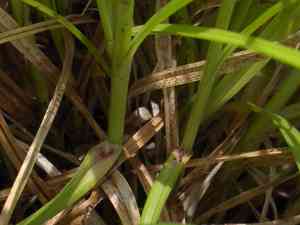
Prickly sedge, recognized for its characteristic spiky look, adds a unique texture to any garden setting. This perennial is particularly noted for its thick, clump-forming habit and rough-edged leaves, making it an excellent option for gardeners seeking visual interest. A key advantage of Prickly sedge is its adaptability to various soil types. Its resilience against common garden pests and diseases also makes it appealing for those preferring less intensive garden care.
Why Opt for Prickly Sedge in Your Landscape?
Prickly sedge is a superb choice for gardeners aiming to boost both the aesthetic and ecological value of their outdoor space. Its hardy nature allows it to flourish in less-than-ideal conditions, providing lush, green coverage even in areas with poor soil quality. Furthermore, Prickly sedge enhances garden biodiversity by supporting various insects and small wildlife. This eco-friendly selection not only beautifies your garden but also promotes a healthy, balanced ecosystem in your yard.
Incorporating Prickly Sedge Into Your Garden
Optimal Placement for Prickly Sedge in Gardens
When deciding where to plant Prickly sedge in your garden, consider spots that receive partial to full sun. While quite adaptable, Prickly sedge thrives best in well-drained soils. Ideal locations include garden edges, rockeries, and areas near water features. Its grass-like foliage and robust nature make it suitable for stabilizing soil on slopes or banks, helping prevent erosion while adding visual charm.
Companion Plants That Flourish with Prickly Sedge
Pairing Prickly sedge with appropriate companion plants can further amplify its impact on your landscape. Consider combining it with other tough perennials like lavender, yarrow, or ornamental grasses that complement its texture and growth habit. These companions enhance visual variety and can create striking contrasts in color and form. Additionally, using Prickly sedge alongside flowering plants such as coneflowers or black-eyed Susans can add vibrant color and attract pollinators, supporting garden health.
Designing with Texture and Color Contrast
Designing with Prickly sedge can truly transform your garden area. Its spiky, textured leaves offer a sharp contrast to softer, rounder foliage plants. For a balanced and visually pleasing design, consider your garden's overall color scheme. Prickly sedge's vibrant green can serve as an ideal backdrop, highlighting brighter blooms and leafy plants around it. Placing it as a background element or repeating it throughout the garden can create a unified look that connects the entire landscape.
Seasonal Considerations for Prickly Sedge
Spring and Summer Care Advice
During spring and summer, Prickly sedge will benefit from consistent watering, especially during its initial establishment phase. Ensure it's well-rooted by providing steady moisture, but be wary of overwatering, which can lead to root rot. A light application of balanced fertilizer in spring can encourage more vigorous growth. Regularly remove any dead leaves to maintain a neat appearance and stimulate new growth.
Autumn and Winter Adjustments
As autumn arrives, reduce watering and allow Prickly sedge to acclimate to cooler temperatures. Applying a layer of mulch can help insulate roots and retain soil moisture through winter. Prickly sedge is quite hardy, but in extremely cold climates, consider providing extra protection like burlap wrapping. Winter is also a good time to divide larger clumps if needed, ensuring they don't become too crowded and continue to thrive in spring.
Advantages of Incorporating Prickly Sedge in Landscapes
Boosting Biodiversity with Prickly Sedge
Including Prickly sedge in your garden helps create a microhabitat that supports various forms of wildlife. Its dense growth provides shelter and nesting spots for small insects and birds. Moreover, Prickly sedge can be an excellent plant choice for those aiming to create an ecologically balanced garden, fostering a healthy environment for beneficial insects and contributing to overall garden biodiversity.
Year-Round Visual Appeal
Prickly sedge maintains its visual appeal throughout the year, offering a consistent green presence in the garden. In spring and summer, its vibrant green foliage stands out, while in autumn, it retains its structure even as leaves adopt a more muted hue. In winter, its sturdy stems can provide interesting textures amidst the frost, ensuring your garden retains some visual interest even during colder months.
Low Maintenance Benefits
One of Prickly sedge's key advantages is its low maintenance nature. Once established, it requires minimal care, making it an excellent choice for beginner gardeners or those with limited time. Its resistance to many pests and diseases means fewer interventions are needed, allowing more time to enjoy your garden rather than tending it. Prickly sedge's robust growth also means fewer issues with replanting or managing poor soil conditions, simplifying garden upkeep.
Creative Applications for Prickly Sedge in Landscape Design
Integrating Prickly Sedge into Modern Landscaping
In modern landscaping, Prickly sedge can be used to create sleek, clean lines that complement contemporary garden designs. Its structured appearance fits well in minimalist settings, often seen in modern garden designs. Use Prickly sedge in geometric planting patterns, paired with stones or gravel to highlight its angular growth and create a sophisticated, low-maintenance garden space.
Naturalistic Approaches to Using Prickly Sedge
For those preferring a more naturalistic approach, Prickly sedge can be used within wildflower meadows or alongside native plants to create a seamless, garden-to-wild transition. Its native-like appearance blends well with other indigenous flora, fostering an environment that feels organic and effortless. This approach is perfect for creating informal spaces that attract wildlife and promote a sense of tranquility and natural beauty.
Edges and Borders: Defining Spaces Creatively
Prickly sedge is excellent for edging and defining garden spaces. Its dense, tufted growth provides a natural barrier that can be used to delineate different areas within the garden. Whether outlining a flower bed, walkway, or patio area, Prickly sedge offers a way to create distinct garden zones without the need for hard landscaping elements. Its appealing texture and form bring softness and continuity to garden borders, blending functionality with aesthetic appeal.



