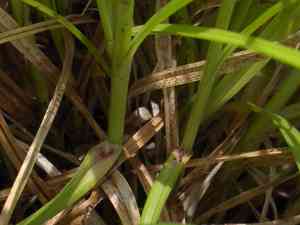
Prickly sedge (Carex spicata)
Also known as: Spiked Sedge, Prickly Sedge
Prickly sedge (Carex spicata) is a perennial, grass-like plant that commonly inhabits disturbed areas but struggles to compete with more aggressive vegetation. It is notable for its unique reddish-purple basal sheaths, a distinguishing feature among its subgenus. Originally native to Europe, it has since spread to various meadow and field environments worldwide. Prickly sedge typically prefers moist, well-drained soils and can be found in sunny to partially shaded locations.
In This Article
Attributes of Prickly sedge
Lifespan
Perennial
Plant Type
Grass
Plant Height
10 cm to 85 cm
Spread
10-30 cm
Leaf Color
Green
Flower Size
0.5-1 cm
Flower Color
Yellow Green Brown
Images of Prickly sedge
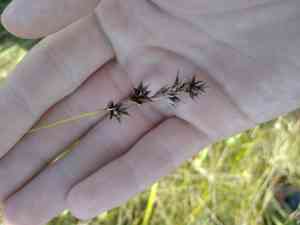
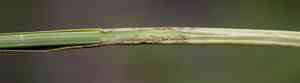
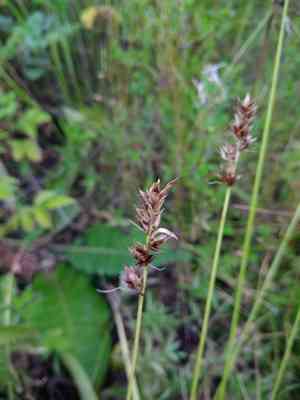
Quickly Identify Prickly sedge
1
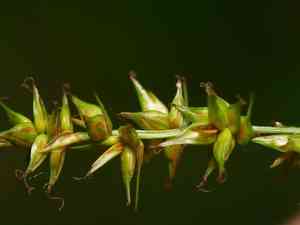
Carex spicata can be identified by its tufted growth habit, narrow leaves, and spikelets that are arranged in dense, cylindrical clusters. The stems are triangular in cross-section, and the spikelets have bracts with a prickly appearance.
Scientific Classification of Prickly sedge
Phylum
Vascular plants
Class
Monocotyledons
Order
Poales
Family
Sedge
Genus
True sedges
Species
Prickly sedge
Planting and Growing of Prickly sedge
Care Difficulty
Easy
Watering Schedule
Every 4 days
Sunlight Requirements
Full sun
Sunshine Duration
6-10 hours
Ideal Temperature
60-75℉
Soil Type
Potting Mix, Peat Mix
Soil pH
6.5-7.5
Fertilizer Type
Balanced
Pruning Season
Spring, Summer
Pruning Area
Branches, Leaves
Pruning Frequency
2 times a year
Repotting Season
Spring
Pot Type
Plastic, Ceramic
 How to Water Prickly sedge?
For Carex spicata, it is crucial to provide about 250 mL of water each time you water it. The key principle is to ensure the soil remains moist but not waterlogged. Water should penetrate through the soil evenly, allowing the roots to access the moisture they need without drowning them.
What are the symptoms of an underwatered Prickly sedge?
›
What should I do if my Prickly sedge is not getting enough water?
›
What are the symptoms of an overwatered Prickly sedge?
›
How to save an overwatered Prickly sedge?
›
 What Are the Sunlight Requirements for Prickly sedge?
Carex spicata ideally grows in conditions that offer partial sunlight or filtered light throughout the day, avoiding intense direct sun. This light range ensures balanced growth and optimal health, promoting vibrant foliage and steady growth.
More About Sunlight Requirements Techniques→
What is the best lighting condition for Carex spicata?
›
How can I achieve ideal lighting for Carex spicata?
›
What benefits does Carex spicata receive from ideal lighting?
›
 What Is the Ideal Temperature Range for Prickly sedge?
The ideal temperature range for growing Carex spicata is between 60 and 75°F. Within this range, the plant is able to photosynthesize efficiently, absorb nutrients from the soil, and maintain optimal growth rates. Moderate temperatures ensure that cellular processes occur effectively, promoting healthy development and the establishment of robust foliage.
 What Soil is Best for Prickly sedge?
Carex spicata thrives in well-draining soil, which prevents root rot by allowing excess water to filter away swiftly. Proper drainage is crucial to ensuring the roots receive adequate oxygen and essential nutrients, supporting healthy growth. This sedge species prefers soils rich in organic matter, offering a continuous supply of nutrients. A nutrient-rich soil contributes to vigorous foliage growth and improved overall plant resilience, enhancing its ability to withstand environmental stresses. Carex spicata benefits from soil that balances moisture retention with drainage. Such soil aids in maintaining consistent moisture levels around the roots, thus promoting steady growth and reducing the risk of drought stress.
 How to Fertilize Prickly sedge?
For Carex spicata, use a balanced liquid fertilizer diluted to half strength every time you water it. This ensures the plant receives nutrients without overwhelming its roots.
 How to Prune Prickly sedge?
Begin by inspecting the plant for any dead or damaged leaves. These should be the first to go as they take up energy and can invite disease. Use your sharp scissors or shears to cut these leaves off at the base. After removing unhealthy parts, focus on shaping the plant. Trim back any overgrown areas to maintain its natural, tufted appearance. Be conservative with your cuts to avoid removing too much foliage at once. After pruning, clear away all trimmings and fallen leaves around the base of the plant. This reduces the risk of pest infestations and fungal diseases that thrive in decaying plant matter. Post-pruning, ensure the plant is well-watered to help it recover. Applying a layer of mulch around the base can also help retain moisture and suppress weeds, creating a healthier growing environment.
More About Pruning Techniques→
 How to Propagate Prickly sedge plant?
1
Collect seeds from mature Carex spicata plants during late summer. Allow the seeds to dry naturally in a cool, well-ventilated area before storing them in a paper envelope.
2
In early spring, sow the collected seeds in a seed tray filled with a mixture of sand and compost. Lightly cover the seeds with soil and water gently to keep the medium moist but not soaked.
3
During early spring or late summer, dig out the plant clumps and gently separate them using your hands. Each division should have a few roots and healthy shoots to ensure successful establishment.
 How to Repot Prickly sedge plant?
1
Carex spicata should be repotted when you notice the roots emerging from the drainage holes or circling the soil surface. An annual inspection in early spring can help you determine the right time. These signs indicate that the plant has outgrown its current pot and requires more space for healthy root development.
2
Select a pot that is one size larger than the current one, with good drainage holes. A slightly bigger pot provides the roots enough room to expand while preventing waterlogged conditions. Opt for durable materials like terracotta or ceramic, which offer stability and promote aeration through their porous nature.
3
Opt for a loamy, well-drained soil mix enriched with organic matter. This type of soil ensures good moisture retention while preventing water from becoming stagnant. A well-aerated and nutrient-rich substrate promotes healthy growth and mimics the plant’s natural habitat.
Learn More About Prickly sedge Diseases
Anthracnose
Bacterial Leaf Spot
Bacterial Soft Rot
Chemical Injury
Damping-off
Downy Mildew
Drought Stress
Fusarium Wilt
Gray Mold
Leaf Spot
Mosaic
Nutrient Deficiency
Nutrient Toxicity
Powdery Mildew
Root Rot
Root-knot Nematode
Rusts
Sooty Mold
Spider Mites
Temperature Stress
Thrips Damage
White Mold



