How to Propagate Prickly sedge?
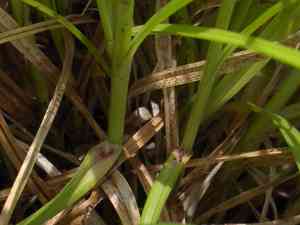
Prickly sedge can be effectively multiplied by seeding, an activity well-suited for cultivators who appreciate overseeing the entire development cycle from initial seed to full development. For an optimal beginning, employ a potting blend that drains efficiently, offering a firm base for the seeds to sprout. Distribute the seeds superficially, as they need some illumination for successful germination. Keep the substrate uniformly damp without saturating it, and place the container in an area receiving diffused light to encourage sprouting. Once the young plants are sufficiently strong, relocate them to their final spots, ensuring adequate room for expansion.
Optimal Period for Prickly Sedge Propagation?
Propagation Method
Division
Propagation Period
Spring,Autumn
Tools for Prickly Sedge Propagation?
Sharp Spade or Knife
This implement is essential for cleanly separating prickly sedge clumps during division. A keen blade ensures precise cuts, minimizing harm to the plant's roots and crowns. This accuracy is crucial for prickly sedge's survival and rapid recovery post-propagation, as it lessens stress and potential infections.
Garden Fork
Utilized for gently lifting prickly sedge from the earth without causing excessive root damage. The garden fork's design, with its spaced tines, is perfect for loosening soil around the root ball, facilitating easier removal and less root breakage compared to a standard shovel.
Watering Can with Fine Rose
Following division and replanting of prickly sedge, a gentle water flow is necessary to settle the soil around the roots and eliminate air pockets. The fine rose attachment helps distribute water evenly with a soft stream, reducing the risk of soil erosion around new plantings.
Rooting Hormone Powder
While not always mandatory, employing rooting hormone powder can boost root development in newly propagated prickly sedge. By dipping the cut root ends into the hormone powder before replanting, you increase the likelihood of successful rooting and robust growth.
Mulch
Applying a layer of organic mulch around newly planted prickly sedge sections aids in retaining soil moisture, suppressing weeds, and providing a steady nutrient supply as it breaks down. This is particularly beneficial for maintaining the overall health and vigor of prickly sedge during the critical establishment phase.
How to Propagate Prickly Sedge?
Propagation Type
Easy
Caring for Your Newly Propagated Prickly Sedge?
Caring for Your Newly Propagated Prickly Sedge?
Once established, prickly sedge requires minimal upkeep. Ensure the soil stays moist, especially during dry spells, as prickly sedge thrives in damp conditions. In spring, apply a layer of organic mulch to help retain soil moisture and deter weeds. Periodically check for pests and diseases, though prickly sedge is generally hardy and resistant to common garden pests.
Common Errors to Avoid When Propagating Prickly Sedge
Using poor quality or diseased plant material
Propagating prickly sedge with inferior or infected material can result in weak growth and spread plant diseases, diminishing the overall health and viability of new plants.
Over-watering during rooting
Excessive water can lead to root rot in prickly sedge, particularly in the initial propagation stages, causing poor establishment or plant demise.
Ignoring local soil conditions
Employing soil that doesn't mimic prickly sedge's natural growing environment can impede root development and nutrient absorption, impacting growth and survival.
Tips For Propagating Prickly Sedge
Use healthy and vigorous plant sections
Ensuring that the segments utilized for propagation are healthy and disease-free enhances the chances of successful growth and development in prickly sedge.
Moderate watering
Providing a balanced amount of water encourages proper root development without causing rot, fostering a healthy propagation process for prickly sedge.
Replicate natural soil composition
Using a soil mixture that closely resembles the natural soil conditions of prickly sedge's habitat supports better root establishment and nutrient uptake, promoting healthier growth.



