How to Transplant Bur reed sedge?
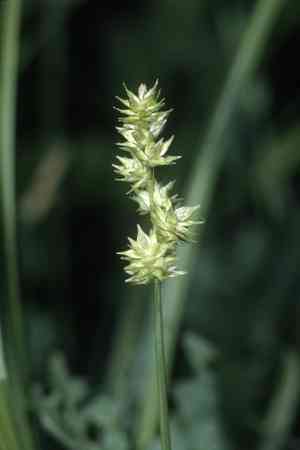
Bur reed sedge, a robust perennial, thrives when relocated from mid-spring to its concluding period as the ground temperature rises. Select a site with partial shade and ample moisture for peak development. Verify adequate soil permeability to foster robust rooting.
Essential Preparations Before Relocating Bur Reed Sedge?
Optimal Timing for Bur Reed Sedge Relocation?
The best time to move bur reed sedge is from mid to late spring. This period offers ideal soil moisture and mild weather, which are perfect for root establishment. Relocating bur reed sedge then promotes strong growth and adaptation, ensuring the plant flourishes throughout the growing season.
Recommended Spacing Between Bur Reed Sedge Plants?
When relocating bur reed sedge, ensure a spacing of 18-24 inches (45-60 cm) between plants. This provides ample room for development and helps prevent overcrowding.
Ideal Soil Mixture for Bur Reed Sedge Relocation?
Prepare a well-draining, moist, and slightly acidic to neutral soil for bur reed sedge. Incorporate a balanced base fertilizer or compost to enrich the soil, fostering robust root development.
Selecting a New Location for Your Bur Reed Sedge?
Choose a spot that receives partial to full shade for planting bur reed sedge. Avoid intense, direct sunlight, which can stress the plant.
Necessary Equipment for Bur Reed Sedge Relocation?
Gardening Gloves
To safeguard your hands while handling soil and plants.
Shovel or Spade
For digging out the plant and preparing its new planting site.
Watering Can or Hose
To hydrate the plant before and after its move.
Garden Trowel
For precise digging and gentle handling of the root ball.
Wheelbarrow
To transport large plants or move soil and compost efficiently.
Pruning Shears
To trim any damaged roots or foliage.
Method for Extracting Bur Reed Sedge from the Ground?
Method for Extracting Bur Reed Sedge from the Ground?
From Ground: First, moisten the soil around the bur reed sedge plant. Then, dig a wide trench around the plant with a shovel or spade, ensuring the root ball remains intact. Carefully work the spade beneath the root ball to lift the plant from its original spot.From Pot: Gently water the bur reed sedge plant if the soil is dry. Invert the pot while supporting the plant's base with your hand. Tap the pot's bottom to release the plant. If it's stuck, use a garden trowel to loosen the edges.From Seedling Tray: Water the bur reed sedge seedlings to facilitate easier handling of the soil. Use a garden trowel to carefully lift the seedlings, ensuring roots and surrounding soil stay together.
Step-by-Step Guide for Relocating Bur Reed Sedge
Site Preparation
Prepare the new location by digging a hole twice as wide and as deep as the bur reed sedge's root ball. Ensure the soil drains well.
Plant Removal
Carefully extract the bur reed sedge from its original spot using the appropriate method, minimizing root damage.
Transferring the Plant
Position the bur reed sedge in the center of the new hole, ensuring it sits at the same depth as before.
Filling in the Hole
Backfill the hole with the excavated soil, gently pressing down to remove air pockets around the roots.
Watering
Thoroughly water the plant to help settle the soil around the roots and provide initial hydration.
Post-Relocation Care for Bur Reed Sedge?
Watering
Keep the soil around the bur reed sedge consistently moist, but not waterlogged, for the first few weeks post-relocation to aid root establishment.
Mulching
Apply a layer of mulch around the base of the bur reed sedge to retain moisture and suppress weed growth.
Monitoring
Observe the plant for any signs of relocation stress, such as wilting or yellowing leaves, and address promptly.
Addressing Common Issues with Bur Reed Sedge Relocation.
When is the best time to relocate bur reed sedge?
Relocate bur reed sedge from mid to late spring, when soil temperatures are optimal.
What spacing is recommended for bur reed sedge during relocation?
Space bur reed sedge 18-24 inches (45-60 cm) apart to allow sufficient growth room.
What soil type is ideal for bur reed sedge?
Bur reed sedge thrives in moist, well-drained soil rich in organic matter.
How should I prepare the soil for bur reed sedge?
Loosen the soil to a depth of 10 inches (25 cm) and incorporate compost.
How can I prevent transplant shock in bur reed sedge?
Water bur reed sedge thoroughly after planting and apply mulch to retain moisture.
What are typical signs of relocation stress in bur reed sedge?
Look for wilting, yellowing leaves, or stunted growth in recently relocated bur reed sedge.
How often should I water bur reed sedge after relocation?
Water bur reed sedge consistently until established, keeping the soil moist but not soggy.
Should I prune bur reed sedge after relocation?
Lightly trim damaged or dead leaves on bur reed sedge to encourage healthy new growth.
Can bur reed sedge be relocated in full sun?
Bur reed sedge prefers partial shade but can tolerate full sun with adequate moisture.
What pests should I look out for after relocating bur reed sedge?
Monitor bur reed sedge for aphids, slugs, and snails, which can harm new transplants.



