How to Prune Bur reed sedge?
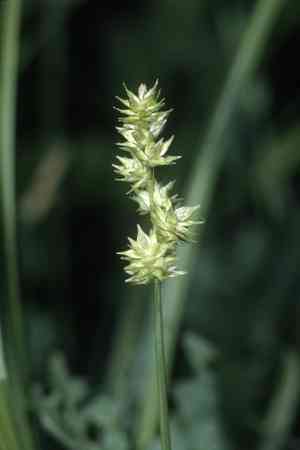
This sedge, recognized by its grassy look and affinity for shaded, damp environments, thrives with trimming in late winter or early spring. For bur reed sedge, cut back aged leaves to the soil level to stimulate fresh development and preserve the plant's well-being. Performing the main pruning during its dormant phase reduces strain and fosters robust growth in the spring. This upkeep not only improves the plant's aesthetic but also prevents excessive density and illness, which is vital for managing its thick, clumping nature.
Advantages of Trimming Bur Reed Sedge
Advantages of Trimming Bur Reed Sedge
Trimming bur reed sedge promotes robust development and preserves its form. By eliminating old or overgrown sections, pruning fosters healthier, denser growth and improves the plant's visual appeal.
Optimal Time for Pruning Bur Reed Sedge
Optimal Time for Pruning Bur Reed Sedge
Pruning or trimming bur reed sedge in early spring is ideal as it prepares the plant for new growth that typically occurs in the spring and summer. Removing dead or damaged foliage at this time ensures that the plant's energy is directed towards producing healthy, new growth rather than sustaining non-viable parts. Additionally, the visibility of the plant's structure without full foliage can make pruning easier and more effective. Winter pruning is also beneficial because bur reed sedge is in its dormancy phase, minimizing stress on the plant. Trimming back during this season can help to prevent any disease spread and manage the plantâs size and shape effectively, setting the stage for robust spring growth.
Tools Required for Pruning Bur Reed Sedge
Hand Pruners
Perfect for cutting through the relatively slender stems of bur reed sedge. Sharp, bypass pruners create clean cuts that encourage healthy regrowth and minimize plant harm.
Grass Shears
Useful for trimming and shaping the grass-like foliage of bur reed sedge, especially for cutting back clumps efficiently at the end of the growing season or for aesthetic shaping during growth.
Garden Scissors
Convenient for precise cuts, particularly for deadheading or removing specific parts of bur reed sedge without disturbing surrounding foliage. They allow for accuracy and minimal interference with the plant's natural growth.
How to Prune Bur Reed Sedge
Identify
Carefully examine bur reed sedge to pinpoint diseased and withered leaves. Look for any discoloration, spots, or signs of insect damage which can indicate disease, and any dry, brown, or brittle texture which signifies a withered leaf.
Disinfect
Before starting the pruning process, sanitize your pruning tools to prevent the spread of any pathogens. Use a solution of 1 part bleach to 9 parts water or use rubbing alcohol to cleanse the blades.
Prune
Using sharp, clean pruning shears, cut the diseased and withered leaves at the base where they meet the stem or the soil level. Ensure cuts are clean and avoid tearing the leaves to promote better healing.
Dispose
Properly dispose of the removed leaves by placing them in a bag and sealing it. Do not compost diseased leaves as they can contaminate the compost and spread the disease when used in the garden.
Monitor
Continue to monitor bur reed sedge after pruning for signs of new growth or further signs of disease. Regular checking and removal of unhealthy foliage help maintain the health and aesthetics of the plant.
Common Pruning Errors with Bur Reed Sedge
Excessive Pruning
A common error is removing too much foliage from bur reed sedge, which can stress the plant. Maintain a healthy balance by removing only what is necessary for shaping or removing damaged parts.
Cutting back too severely
Novice gardeners might cut back bur reed sedge too aggressively, potentially harming the plant's natural structure and growth patterns. It's crucial not to cut into the plant's crown to maintain its health and vigor.
Neglecting tool hygiene
Using uncleaned tools can introduce disease to bur reed sedge. Always use sterilized pruning tools to prevent the spread of pathogens.
Incorrect cutting technique
Improper cutting techniques, such as tearing the foliage instead of making a clean cut, can harm bur reed sedge. It is important to use sharp tools and make precise cuts to prevent unnecessary damage to the plant tissues.
General Pruning Advice for Bur Reed Sedge
Selective thinning
Focus on selectively thinning out overcrowded sections of bur reed sedge to enhance air circulation and light penetration, which in turn promotes healthier growth.
Remove damaged parts
Regularly inspect bur reed sedge for damaged or diseased foliage and remove these portions promptly to maintain the overall health of the plant.
Pruning for shape
Pruning bur reed sedge should aim to maintain natural plant contours. Avoid overly sculpting or shaping which can lead to a contrived appearance not in keeping with bur reed sedge's natural aesthetic.
Encouraging new growth
Light pruning can encourage new growth in bur reed sedge. Prune older foliage to stimulate fresh, vibrant shoots, enhancing both the density and appearance of the plant.



