The Bur reed sedge Plant Advantage: Maximizing Home and Office Appeal and Wellness
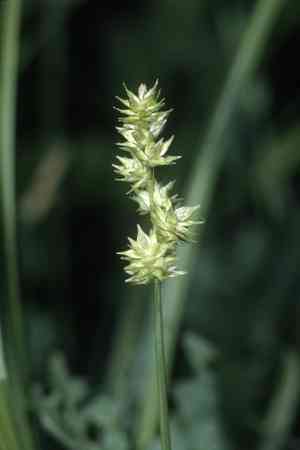
1
This plant is superb for preventing soil loss in marshy regions.
2
Its thick growth pattern offers a sanctuary for local fauna.
3
It enhances water purity through the removal of contaminants.
How Does Bur reed sedge Help in Erosion Control?
Prevents Soil Erosion
A key advantage of Bur reed sedge is its capacity to prevent soil erosion. Its strong root network secures the earth, stopping it from washing away during heavy rains or floods. This makes it especially useful in wetland areas and along riverbanks, where ground stability is vital.
Enhances Shoreline Stabilization
Beyond preventing soil erosion, Bur reed sedge aids in stabilizing shorelines. Its dense leaves slow water movement, lessening the impact of waves and currents on the soil. This makes it an excellent option for planting around ponds, lakes, and other aquatic environments.
What Are the Wildlife Benefits of Bur reed sedge?
Provides Habitat
The thick growth pattern of Bur reed sedge creates an ideal home for various animal species. Birds, insects, and small mammals find shelter within its dense vegetation, which offers protection from predators and harsh weather. This makes Bur reed sedge a valuable addition to any garden or conservation area focused on supporting local biodiversity.
Promotes Biodiversity
By supporting diverse forms of wildlife, Bur reed sedge contributes to the overall biological variety of an area. Increased biodiversity is beneficial for the resilience and health of ecosystems, making them less susceptible to pests and diseases.
How Does Bur reed sedge Improve Water Quality?
Filters Pollutants
Bur reed sedge plays a significant role in enhancing water quality by filtering out contaminants. The plant's extensive root system functions as a natural filter, trapping sediments, heavy metals, and other impurities. This helps in maintaining cleaner water bodies and reducing pollution.
Reduces Nutrient Runoff
Excess nutrients like nitrogen and phosphorus can lead to the proliferation of harmful algal blooms, which degrade water quality. Bur reed sedge helps in decreasing nutrient runoff by absorbing these nutrients for its growth, thereby preventing them from contaminating water sources.
Why Should You Consider Bur reed sedge for Landscaping?
Aesthetic Appeal
Beyond its environmental advantages, Bur reed sedge offers visual benefits as well. Its vibrant green foliage and distinct texture can enhance the beauty of gardens, water features, and open spaces. It's a versatile plant that integrates well with other landscaping elements.
Low Maintenance
Bur reed sedge is known for its minimal upkeep requirements. Once established, it needs little care, making it an excellent choice for gardeners seeking attractive yet easy-to-maintain plants. It's also resistant to many common pests and diseases, further reducing the need for constant attention.
What Makes Bur reed sedge Sustainable?
Native Plant Benefits
Bur reed sedge is often a native species in the regions where it is found, making it well-suited to local climate and soil conditions. Native plants generally require less water, fertilizers, and pesticides, making them a sustainable option for gardening and landscaping.
Supports Local Ecosystems
By planting Bur reed sedge, you support local ecosystems, as native plants tend to coexist harmoniously with other indigenous species. This creates a balanced environment, fostering natural interactions between plants, animals, and insects.



