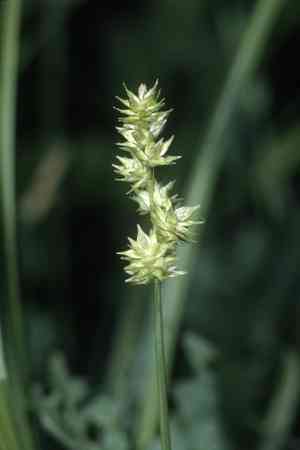
Bur reed sedge (Carex sparganioides)
Also known as: Bur-reed Sedge
False hop sedge is a grass-like plant known for its effectiveness in controlling soil erosion. Its clump-forming nature makes it attractive to birds and suitable for ornamental use. The species Carex lupuliformis is considered endangered in various US states, including New Hampshire and Maine.
In This Article
Attributes of Bur reed sedge
Lifespan
Perennial
Plant Type
Grass
Plant Height
30 cm to 1.02 m
Spread
30 cm
Leaf Color
Dark green
Flower Size
Small, around 1-2 mm
Flower Color
Green to brown
Images of Bur reed sedge
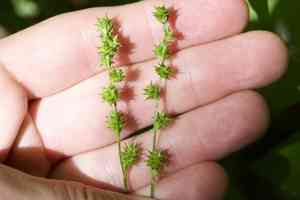
Quickly Identify Bur reed sedge
1
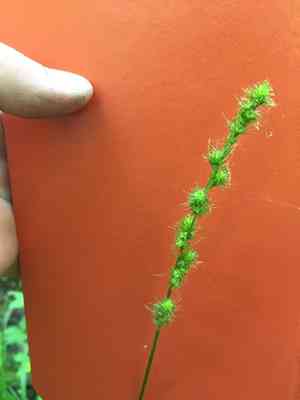
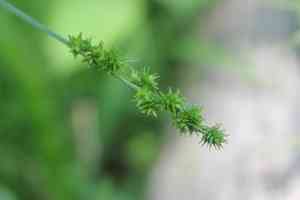
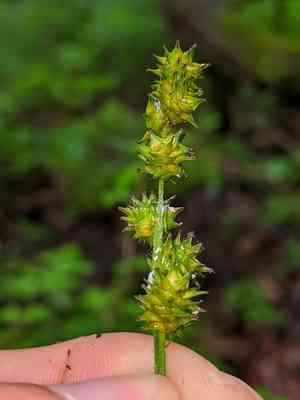
Carex sparganioides can be identified by its arching, grass-like leaves and elongated inflorescences that resemble the fruiting spikes of sparganium, for which it is named.
Scientific Classification of Bur reed sedge
Phylum
Vascular plants
Class
Monocotyledons
Order
Poales
Family
Sedge
Genus
True sedges
Species
Bur reed sedge
Planting and Growing of Bur reed sedge
Care Difficulty
Easy
Watering Schedule
Every 4 days
Sunlight Requirements
Partial sun
Sunshine Duration
6-12 hours
Ideal Temperature
60-75℉
Soil Type
Potting Mix, Peat Mix
Soil pH
6.5-7.5
Fertilizer Type
Balanced
Pruning Season
Spring, Summer
Pruning Area
Branches, Leaves
Pruning Frequency
2 times a year
Repotting Season
Spring
Pot Type
Plastic, Ceramic
 How to Water Bur reed sedge?
Carex sparganioides requires moderate watering. Aim to water until the soil is moist to around 2 inches deep, ensuring the water reaches the root system without causing waterlogging.
What are the symptoms of an underwatered Bur reed sedge?
›
What should I do if my Bur reed sedge is not getting enough water?
›
What are the symptoms of an overwatered Bur reed sedge?
›
How to save an overwatered Bur reed sedge?
›
 What Are the Sunlight Requirements for Bur reed sedge?
Partial shade to full shade is ideal for Carex sparganioides. This light range supports healthy foliage, minimizes stress, and aligns with the plant's natural habitat, promoting longevity and resilience.
What type of sunlight does Carex sparganioides prefer?
›
How can you ensure Carex sparganioides gets its ideal lighting conditions?
›
What are the benefits of providing ideal lighting conditions for Carex sparganioides?
›
 What Is the Ideal Temperature Range for Bur reed sedge?
Carex sparganioides thrives best within a temperature range of 60°F to 75°F. This temperature range mimics the natural conditions of its native habitats, providing optimal conditions for growth and development. Maintaining these temperatures ensures the plant's photosynthesis, nutrient uptake, and metabolic processes are at their peak efficiency, promoting healthy foliage and robust root systems.
 What Soil is Best for Bur reed sedge?
Carex sparganioides thrives in well-drained soil, essential for preventing waterlogging and root rot, allowing the plant to establish a healthy root system and ensuring vigorous growth. While drainage is crucial, the soil must retain enough moisture to sustain continuous growth, especially during dry periods. This provides steady hydration without saturating the roots. Nutrient-rich loam is ideal, providing essential nutrients and minerals needed for long-term health, supporting robust foliage and enhancing overall resilience.
 How to Fertilize Bur reed sedge?
For Carex sparganioides, apply liquid fertilizer in a diluted form, mixing about one teaspoon of balanced 10-10-10 liquid fertilizer per gallon of water. Be cautious with the amount to avoid harming the plant's delicate root system.
 How to Prune Bur reed sedge?
Carex sparganioides, or bur-reed sedge, should be pruned twice a year, focusing on removing dead or damaged leaves. Start by identifying the old foliage, which is typically brown or withered, and proceed to trim these parts close to the base. Ensure you cut at an angle to facilitate quick healing. To maintain a neat appearance, cut back any overgrown or sprawling sections. This not only helps in conserving the plant's energy for essential growth but also enhances light penetration and air circulation, crucial for healthy development.
More About Pruning Techniques→
 How to Propagate Bur reed sedge plant?
1
Before sowing seeds, prepare a seed bed with well-drained, fertile soil. Loosen the soil and remove any weeds or debris that can hinder seed growth. Ensure the soil is slightly moist before sowing.
2
Scatter the seeds thinly on the prepared seed bed. Cover them lightly with a thin layer of fine soil or sand. Keep the area moist and avoid direct sunlight until the seeds germinate.
3
For division, choose healthy mature clumps of Carex sparganioides. Dig up the entire clump and use a spade to divide it into smaller sections. Replant each section in a suitable location, ensuring the roots are covered with soil.
 How to Repot Bur reed sedge plant?
1
Carex sparganioides generally signals its need for repotting when you notice roots pushing through the drainage holes or the growth becoming stunted. These are signs that the plant is outgrowing its current pot and requires more space to thrive. Repotting is best done during early spring or autumn, when the plant is in its active growing stage and can adapt well to new soil conditions.
2
Selecting the correct pot for your Carex sparganioides is crucial. Opt for a pot that is one size larger than the current one, with ample drainage holes to prevent waterlogging. A well-draining container ensures moisture is adequately maintained without saturating the roots, promoting healthy growth. Plus, a slightly larger pot provides enough room for root expansion, reducing repotting frequency.
3
For optimal growth, Carex sparganioides prefers a well-draining potting mix rich in organic matter. Such a soil composition allows for proper air circulation and retains enough moisture without causing waterlogged conditions. This balanced environment supports healthy root development and vigorous plant growth, ensuring a thriving plant even after repotting.



