How to Propagate Bur reed sedge?
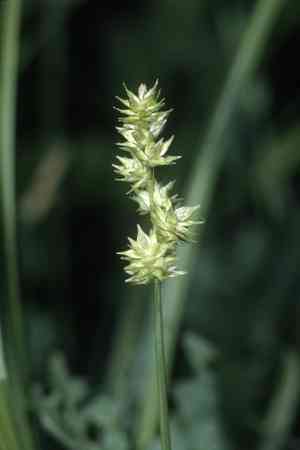
Bur reed sedge flourishes when multiplied via division, a technique perfectly aligned with its growth pattern. For propagation, gently divide established clusters in late winter or early spring, making sure every new segment possesses sufficient roots. Promptly reintroduce these into moisture-rich earth, replicating the native environment of bur reed sedge. This approach fosters a strong root structure and promotes a thriving patch of bur reed sedge.
Optimal Period for Propagating Bur Reed Sedge
Propagation Method
Division
Propagation Season
Spring,Autumn
Tools Utilized in Bur Reed Sedge Propagation
Sharp Garden Knife or Pruning Shears
A keen garden knife or pruning shears are essential for neatly and effectively separating the root clumps of bur reed sedge. Precise cuts are vital to minimize harm and stress to the plant, encouraging faster recovery and ensuring the vitality of new propagations.
Garden Fork or Spade
These implements are employed for gently lifting the bur reed sedge clump from the ground with minimal disruption to surrounding vegetation. A spade offers precision and control, particularly useful in dense garden environments, while a fork can help untangle thick roots without severe cutting, aiding in preserving root integrity.
Watering Can with a Fine Rose
Following division and replanting, ensuring sufficient hydration is critical. A watering can equipped with a fine rose attachment assists in gently distributing water over the newly planted bur reed sedge divisions, preventing soil erosion around the base while guaranteeing the roots receive necessary moisture.
Rooting Hormone (Optional)
Though not always required, rooting hormone can aid in stimulating root development in more challenging propagation scenarios. Applying a small quantity to the cut ends of the root prior to replanting can promote quicker establishment and more robust initial growth.
How to Propagate Bur Reed Sedge?
Propagation Type
Easy
How to Care for Your Newly Propagated Bur Reed Sedge?
How to Care for Your Newly Propagated Bur Reed Sedge?
After propagation, bur reed sedge needs consistent moisture, as it thrives in damp conditions. Keep the area adequately watered but not saturated. Mulching can help retain soil moisture and suppress weeds. For fertilization, a light application of a balanced, slow-release fertilizer in early spring can encourage healthy growth. Annual revitalization through division every few years can help maintain vigor and prevent overcrowding. Monitor for signs of pests and diseases, though bur reed sedge is generally quite resilient.
Common Mistakes to Avoid When Propagating Bur Reed Sedge
Overwatering
Excessively watering bur reed sedge can lead to root rot, a condition that impairs root health and significantly hinders the plant's capacity to absorb nutrients and water.
Deep planting
Planting bur reed sedge segments too deeply can impede proper root aeration and may result in rotting or fungal infections, reducing propagation success.
Inadequate spacing
Bur reed sedge requires ample room to expand. Placing propagated plants too close together can restrict growth due to competition for resources, stunting plant development.
Ignoring soil composition
Using soil that drains poorly or lacks organic matter can prevent bur reed sedge from establishing correctly, affecting root growth and overall plant vitality.
Tips For Propagating Bur Reed Sedge
Use sharp tools
Making clean cuts with sanitized tools when dividing bur reed sedge helps prevent infections and ensures healthier regrowth.
Maintain moisture balance
Keeping the soil consistently moist but not waterlogged supports optimal growth conditions for bur reed sedge's roots without risking root rot.
Select vigorous segments
Choosing healthy, robust plant parts for propagation increases the likelihood of successful establishment and growth.
Provide shade
Although bur reed sedge can tolerate some sunlight, offering partial shade can reduce stress during the initial growth stages post-propagation, fostering a healthier environment for root and shoot development.



