How to Transplant Broom sedge?
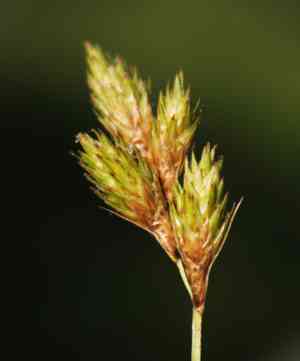
Relocate broom sedge during the invigorating period of spring, preferably after the last frost has passed, to guarantee vigorous development. Select a bright location featuring damp, adequately draining earth. A delicate approach facilitates the root structure's smooth adaptation to its new surroundings.
What Preparations are Needed Before Transplanting Broom Sedge?
What is the Ideal Time for Transplanting Broom Sedge?
The best period for moving broom sedge is during nature's awakening, as the soil warms up. This typically spans from the spring equinox until the summer solstice. Relocating broom sedge then allows roots to establish in mild temperatures and moist soil, perfect for robust growth. Furthermore, transplanting broom sedge at this time aligns with its natural growth cycle, ensuring it flourishes in its new spot.
How Much Space Should You Leave Between Broom Sedge Plants?
Before relocating broom sedge to their new home, ensure sufficient room for each to flourish. Aim for a spacing of approximately 6-8 inches (15-20 cm) between them, allowing their roots to expand without becoming overcrowded.
What is the Best Soil Mix for Broom Sedge Transplanting?
Broom sedge prefers well-draining soil, rich in organic matter. Incorporate some compost or a balanced, slow-release fertilizer to give them an excellent start. Strive for soil that is moist but not waterlogged, creating a comfortable bed for their roots.
Where Should You Relocate Your Broom Sedge?
When choosing a location for broom sedge, seek an area that receives full sun to partial shade. Aim for a spot where they will get several hours of sunlight daily, as this will help them thrive and reach their full potential.
What Equipments Should You Prepare Before Transplantation Broom Sedge?
Gardening Gloves
To safeguard your hands while handling soil and plants.
Spade or Shovel
For excavating the plant and re-planting it into the ground.
Hand Trowel
For detailed tasks or smaller plants and adjusting soil around roots.
Watering Can or Hose
To hydrate the plant before and after the relocation process.
Pruning Shears
To trim any damaged roots or foliage.
Wheelbarrow or Garden Cart
For moving the plant and soil around the garden.
Garden Fork
To loosen the soil surrounding the plant's root ball.
Rooting Hormone (optional)
To stimulate root development post-transplantation.
How Do You Remove Broom Sedge from the Soil?
How Do You Remove Broom Sedge from the Soil?
From Ground: Thoroughly moisten the broom sedge to dampen the surrounding earth. Use a shovel or spade to dig a wide circle around the plant, being careful not to harm the root ball. Gently pry beneath and carefully lift the plant from its original spot, keeping the soil around the roots as intact as possible.From Pot: Water the broom sedge to make the soil damp. Tilt the pot sideways and gently tap or squeeze it to loosen the soil and roots. Carefully pull the plant by its base, supporting the root ball, to extract it from the pot.From Seedling Tray: Water the seedlings to ensure the soil is moist. Use a hand trowel or a small fork to gently lift individual broom sedge seedlings from the tray without harming their delicate roots.
Step-by-Step Guide for Transplanting Broom Sedge
Preparation
Ensure all necessary tools and materials are readily available. Prepare the new planting site by loosening the soil to a depth of at least 6-8 inches, making sure it is free of weeds.
Root Pruning
Use pruning shears to trim any broken or excessively long roots, which may encourage new growth.
Plant Removal
Follow the 'removal process' instructions specific to your situation (ground, pot, or seedling tray).
Hole Digging
In the new location, excavate a hole that is twice as wide as the broom sedge's root ball but no deeper than its height.
Placement
Position the broom sedge in the center of the hole. The top of the root ball should be level with the surrounding ground surface.
Backfilling
Carefully refill the hole with native soil, gently tamping down to eliminate air pockets, and water thoroughly to settle the soil around the roots.
Support
If the broom sedge is large or in a windy area, stake the plant if needed, using appropriate supports to prevent damage to the root system or stem.
How Do You Care For Broom Sedge After Transplanting?
Watering
Provide thorough watering to the broom sedge immediately after transplanting, and continue to water regularly to keep the soil moist but not waterlogged, as this is vital for root establishment.
Mulching
Apply a layer of mulch around the base of broom sedge to help retain moisture, regulate soil temperature, and reduce weed competition. Be careful not to pile mulch against the stem or leaves of the plant.
Pruning
Trim any damaged or dead foliage to direct the broom sedge's energy towards establishing new roots rather than repairing damaged leaves.
Monitoring
Keep an eye on the broom sedge for signs of transplant shock, such as wilting or leaf drop, and reduce any stress by providing shade or wind protection if necessary.
Troubleshooting Common Issues with Broom Sedge Transplantation.
How do I prepare the soil for transplanting broom sedge?
Cultivate the soil to a depth of about 10 inches (25 cm), ensuring it drains well and is rich in organic matter.
What's the ideal time for transplanting broom sedge?
Transplant broom sedge during the optimal window between early and late spring for best root establishment.
What spacing do broom sedge plants need when transplanting?
Space broom sedge plants approximately 6 to 8 inches (15-20 cm) apart to allow ample room for growth.
Why is my broom sedge plant wilting after transplanting?
Wilting can be a sign of shock. Ensure sufficient watering and provide shade for a few days post-transplant.
How much water do broom sedge plants need after transplanting?
Maintain consistently moist, but not soggy, soil. Water gently to settle the roots without causing erosion.
How deep should I plant broom sedge when transplanting?
Dig a hole as deep as the root ball and twice as wide, setting broom sedge at its original growing depth.
Can I transplant broom sedge in full sunlight?
Yes, broom sedge thrives in full to partial sunlight, but shield it from intense midday sun immediately after transplanting.
What is the best way to handle broom sedge roots when transplanting?
Carefully untangle and spread out the roots when placing broom sedge in the hole to encourage outward growth.
What should I add to the planting hole for broom sedge?
Incorporate some compost or well-rotted manure into the bottom of the hole to enrich the soil.
Why are broom sedge leaves turning yellow after transplanting?
Yellow leaves might indicate overwatering or a nutrient deficiency. Adjust watering and consider a balanced fertilizer.



