How to Prune Broom sedge?
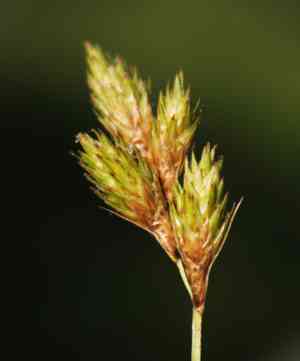
This enduring grass-like variety flourishes in marshlands and fields, requiring little upkeep. Trim broom sedge during early spring or winter, prior to the emergence of new growth, to eliminate aged foliage and stimulate the development of new, lively shoots. Strategic trimming preserves aesthetic appeal and plant robustness, fosters development, and discourages infestations. Reduce clumps to soil level for the best outcomes. Care must be taken to avoid excessive pruning, as it only necessitates a yearly cut.
Advantages of Trimming Broom Sedge
Advantages of Trimming Broom Sedge
Trimming broom sedge promotes robustness by eliminating old or dead leaves, encouraging new development, and maintaining desired form and size, which is vital for the plant's health and look.
Optimal Time for Trimming Broom Sedge
Optimal Time for Trimming Broom Sedge
Trimming or cutting broom sedge in early spring coincides with the end of winter dormancy, preparing the plant for a new growth cycle. This timing is ideal as it allows gardeners to remove any dead or damaged foliage before spring growth begins, which can enhance plant health and vigor. Winter is also a suitable time to trim broom sedge since the plant is inactive and less vulnerable to stress. Pruning during this period minimizes the risk of disease transmission and can stimulate healthier, more robust growth in the subsequent season.
Tools Required for Pruning Broom Sedge
Hand Pruners
Perfect for shaping and trimming the foliage of broom sedge. Their sharp blades can easily cut through the grass-like leaves without harming the plant.
Grass Shears
These offer precision and control when cutting the fine blades of broom sedge, which is essential for preserving the plant's natural shape and fostering healthy new growth.
Garden Scissors
Useful for snipping off dead or yellowed leaves. The smaller blades allow for detailed work and can easily reach into dense clumps of broom sedge.
How to Prune Broom Sedge
Preparation
Gather sharp, sanitized pruning shears or scissors to ensure clean cuts and prevent the spread of disease to broom sedge.
Identify
Carefully inspect broom sedge for diseased or withered leaves. Look for any browning, wilting, or signs of fungal growth as indicators of unhealthy foliage.
Trim diseased
Using your tools, precisely trim away the diseased leaves at the base where they emerge from the clump, being careful not to cut healthy tissue to prevent damage to broom sedge.
Trim withered
Similarly, cut back the withered leaves to the base of the plant, which promotes healthier growth and appearance of broom sedge.
Dispose
Properly dispose of the removed material far from healthy plants to avoid the risk of spreading any potential disease to broom sedge or other plants in the area.
Common Pruning Errors with Broom Sedge
Excessive pruning
Removing too much of broom sedge at once can stress the plant and impede its growth. It is crucial for gardeners to avoid removing more than a third of the foliage during a single pruning session.
Using dull tools
Dull or unclean pruning tools can cause damage to the stems of broom sedge, leading to ragged cuts that are vulnerable to pests and diseases. Always use sharp and sterilized tools for clean cuts.
Neglecting dead material
Failure to remove dead or damaged foliage from broom sedge can negatively affect the plantâs appearance and health. This debris can also harbor pests or diseases.
Pruning too short
Cutting broom sedge's stems too short can remove the vegetative growth necessary for photosynthesis and regrowth, preventing the plant from thriving.
Ignoring plant shape
Broom sedge has a natural form that should be taken into consideration. Avoid pruning without a plan, which can lead to an unbalanced and aesthetically displeasing shape.
General Pruning Advice for Broom Sedge
Essential cleanliness
Before pruning broom sedge, clean and sterilize tools to prevent the spread of disease. After finishing, clean the tools again before storing them.
Consider growth pattern
Understand the growth pattern of broom sedge to make informed decisions about where to prune. Aim to promote a natural, healthy form while maintaining the plant's structure.
Remove dead material
Regularly inspect broom sedge for dead, damaged, or diseased foliage and remove it promptly to maintain plant vigor and appearance, using proper cutting techniques to avoid plant stress.
Appropriate cutting technique
Make cuts on broom sedge at a slight angle, above a node or a bud, to encourage new growth in the desired direction and to prevent water accumulation on the cut surface.
Gradual pruning approach
It is better to approach pruning broom sedge conservatively, gradually shaping the plant over time instead of attempting to achieve the final form in one pruning session.



