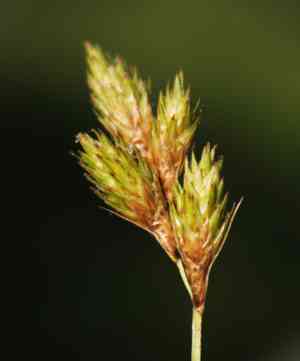
Broom sedge (Carex scoparia)
Also known as: Meadow Sedge, Pointed Broom Sedge
Soft Rush is a plant commonly found in wetland meadows and fields. It features mid-green stems that can arch over and are adorned with tight clusters of leaves. The flowers are yellow-green and have a spiky appearance. This plant is typically not seen in home gardens and should not be mistaken for Carex scoparia.
In This Article
Attributes of Broom sedge
Lifespan
Perennial
Plant Type
Grass
Plant Height
30 cm to 1.02 m
Spread
30 cm to 45 cm
Leaf Color
Green Blue
Flower Size
2-3 mm
Flower Color
Green to brown
Images of Broom sedge
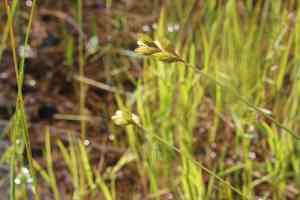
Quickly Identify Broom sedge
1
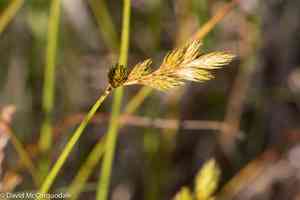
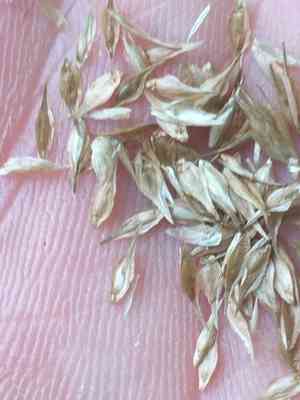
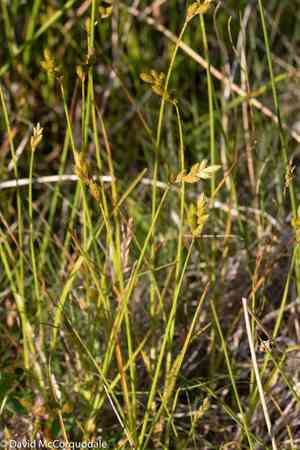
Carex scoparia can be identified by its narrow, linear leaves and dense, cylindrical flower spikes. The plant typically forms dense tufts or clumps and has a grass-like appearance with erect stems.
Scientific Classification of Broom sedge
Phylum
Vascular plants
Class
Monocotyledons
Order
Poales
Family
Sedge
Genus
True sedges
Species
Broom sedge
Planting and Growing of Broom sedge
Care Difficulty
Easy
Watering Schedule
Every 4 days
Sunlight Requirements
Full sun
Sunshine Duration
4-8 hours
Ideal Temperature
59-77℉
Soil Type
Potting Mix, Peat Mix
Soil pH
6-7.5
Fertilizer Type
Balanced
Pruning Season
Spring, Summer
Pruning Area
Branches, Leaves
Pruning Frequency
2 times a year
Repotting Season
Spring
Pot Type
Plastic, Ceramic
 How to Water Broom sedge?
For Carex scoparia, aim to water about 250 milliliters each time. This plant thrives when its soil is kept consistently moist but not waterlogged. To achieve this, make sure that the water penetrates deeply enough to reach the root zone but always ensure good drainage to prevent standing water.
What are the symptoms of an underwatered Broom sedge?
›
What should I do if my Broom sedge is not getting enough water?
›
What are the symptoms of an overwatered Broom sedge?
›
How to save an overwatered Broom sedge?
›
 What Are the Sunlight Requirements for Broom sedge?
Partial sun around 4 to 6 hours is optimal. Ideal lighting strengthens Carex scoparia's structure, enhances aesthetics, and boosts the plant’s immunity against environmental stressors.
More About Sunlight Requirements Techniques→
How much sunlight does Carex scoparia need?
›
What happens if Carex scoparia gets ideal light?
›
How to achieve ideal lighting for Carex scoparia?
›
 What Is the Ideal Temperature Range for Broom sedge?
The ideal temperature range for Carex scoparia to thrive lies between 59°F and 77°F. Within this range, the plant exhibits optimal growth and development, ensuring robust foliage and health. This temperature span provides the necessary warmth to support photosynthesis while avoiding heat stress, which could hinder the plant's growth.
 What Soil is Best for Broom sedge?
Carex scoparia thrives in soils that retain moisture well. This is crucial as the plant prefers consistently damp conditions, which support vigorous growth and lush foliage. Nutrient-rich soil is important to sustain Carex scoparia's dense growth. This type of soil provides essential nutrients that contribute to the plant's healthy development and resilience against pests and diseases. While Carex scoparia prefers moist soil, good drainage is essential to avoid standing water. Proper drainage prevents root rot, ensuring the plant's roots have sufficient oxygen for healthy functioning.
 How to Fertilize Broom sedge?
For Carex scoparia, it's important not to over-fertilize, as this can lead to excessive growth and weak stems. Use a balanced liquid fertilizer at half the recommended strength, mixing it in water to make sure the nutrients are evenly distributed. Apply approximately 250ml of this diluted solution per plant.
 How to Prune Broom sedge?
Begin by identifying any dead or damaged stems. Using your sharp tools, trim these back to the base to prevent disease. If the plant appears too dense, remove some of the older growth to allow better air circulation. Shape the plant by selectively trimming long or unruly stems at angles, which will help encourage a more attractive form. Remember to sterilize your tools before and after pruning to prevent the spread of disease.
More About Pruning Techniques→
 How to Propagate Broom sedge plant?
1
Collect seeds from mature Carex scoparia plants in early autumn when seed heads have dried. Ensure seeds are fully mature and free from any signs of disease before harvesting.
2
Prepare a well-draining soil mix with a combination of peat moss and sand for seed propagation, as Carex scoparia prefers slightly acidic conditions. Ensure the mix is loose to support root growth.
3
Carefully dig up the plant in early spring. Using a sharp spade, divide the root ball into sections. Each section should contain healthy roots and stems. Replant the divisions immediately to avoid root drying.
 How to Repot Broom sedge plant?
1
Carex scoparia requires repotting when you notice roots protruding from the drainage holes or the growth has noticeably slowed. These signs usually indicate that the plant is root-bound, and it becomes essential to give it some extra space to thrive. It's also a good occasion when the soil quality seems to decline, compromising drainage and aeration.
2
Select a pot that is one to two inches larger in diameter than the current pot. Ensure it has adequate drainage holes to prevent waterlogging. A slightly larger pot provides the roots with enough space to grow while preventing overwatering issues, which are common when the pot is too large.
3
Opt for a rich and well-draining potting mix to ensure optimal growth. The ideal soil will provide the necessary nutrients and prevent water stagnation, which can lead to root rot. The mix should be aerated adequately to maintain healthy root conditions.



