The Broom sedge Plant Advantage: Maximizing Home and Office Appeal and Wellness
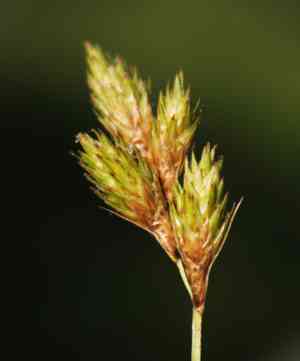
1
Broom sedge is frequently employed in wetland rehabilitation efforts because of its ability to stabilize soil.
2
This particular plant provides a home for diverse animal life, fostering ecological variety.
3
Broom sedge aids in preventing soil degradation, making it a beneficial component in land stewardship.
How Does Broom sedge Enhance Soil Quality?
Soil Anchoring
Broom sedge is widely recognized for its capacity to anchor soil. Its root system is dense and widespread, which aids in binding soil particles and preventing erosion. This makes it an excellent option for areas susceptible to soil degradation and landslides. The plant's ability to secure soil ensures it can endure harsh environmental conditions, providing a stable base for other plant species to flourish.
Nutrient Circulation
Broom sedge actively participates in the cycling of nutrients within the soil. By breaking down organic matter and integrating it into the soil, the plant helps maintain rich and fertile ground. This process is vital for sustaining the nutrient levels necessary for various plants and microorganisms, ensuring a healthy and productive ecosystem.
What Role Does Broom sedge Play in Biodiversity?
Wildlife Habitat
Broom sedge provides a crucial habitat for diverse wildlife. Birds, insects, and small mammals find refuge and sustenance within these plants, making Broom sedge an important element of local biodiversity. The dense foliage offers a secure space for nesting and breeding, which is essential for sustaining various animal populations.
Food Source
Beyond offering shelter, Broom sedge also serves as a food source for numerous species. The seeds of Broom sedge are particularly attractive to birds and small mammals, while some insects consume its foliage. This symbiotic relationship supports a balanced ecosystem, ensuring that both plants and animals thrive together.
Why Is Broom sedge Important for Wetland Restoration?
Erosion Prevention
One of the most significant applications of Broom sedge in wetland restoration is its capacity to prevent erosion. Wetlands are prone to erosion due to water movement, and Broom sedge helps alleviate this issue with its robust root system. By planting Broom sedge along banks and within wetland areas, soil erosion can be significantly reduced, helping to preserve the integrity of these vital ecosystems.
Water Purification
Broom sedge also contributes to water purification within wetland environments. Its roots and foliage help capture sediments and pollutants, effectively cleansing the water. This function is crucial for maintaining clean water in wetlands, which benefits both the environment and human populations that depend on these water sources.
How Can Broom sedge Be Used in Landscape Management?
Visual Appeal
Broom sedge adds considerable visual appeal to landscapes due to its distinctive appearance and growth habit. Its lush green foliage and delicate structure can enhance the aesthetic of gardens, parks, and natural reserves. Landscaping with Broom sedge is not only visually pleasing but also functional, contributing to the overall health of the environment.
Low Maintenance
Another benefit of using Broom sedge in landscape management is its minimal care requirements. Once established, Broom sedge needs little attention, making it an ideal choice for sustainable landscaping. Its resilience to various climate conditions and adaptability to different soil types ensure it can thrive with minimal intervention, thereby reducing the need for water, fertilizers, and pesticides.
What Are the Broader Ecological Impacts of Broom sedge?
Climate Resilience
Broom sedge contributes to climate resilience by stabilizing soil and reducing erosion, which in turn helps to sequester carbon in the ground. This process is vital for mitigating the effects of climate change, making Broom sedge a valuable plant in efforts to combat global warming. Its ability to thrive in various climatic conditions further supports its role in building resilient ecosystems.
Pollinator Support
Pollinators, such as bees and butterflies, greatly benefit from Broom sedge. The plant provides nectar and pollen, which are essential food sources for these insects. By supporting pollinators, Broom sedge helps ensure the continuation of many plant species, which rely on these insects for pollination. This interdependence is crucial for maintaining the health and diversity of ecosystems.



